Shingles and Pneumonia Vaccines for Adults in Stouffville
Shingles and pneumococcal disease hit harder as we age. What Stouffville adults should know about Shingrix, pneumonia vaccines, side effects and eligibility.
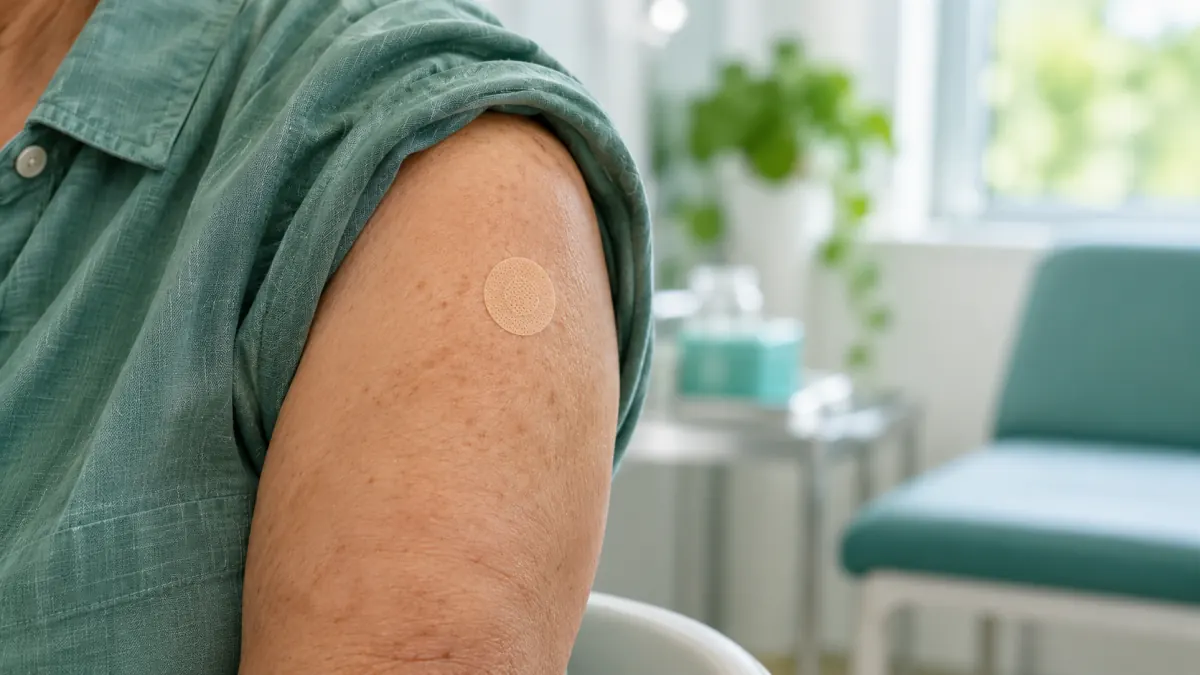
Roughly one in three Canadians will develop shingles at some point in their lives, and the odds climb steadily after age 50. Most of those people had chickenpox decades ago and have not thought about it since. The virus never truly left; it has been sitting quietly in the nerve roots near the spine, waiting for the immune system to ease its guard. That is one of the less obvious facts about growing older: some of the infections that matter most in later life are ones we have carried for years, or ones that our bodies once shrugged off easily.
Vaccines are not just for children. For adults in their 50s, 60s, and beyond, two in particular deserve a conversation with a health care provider: the shingles vaccine and the pneumococcal vaccine, which protects against a common cause of pneumonia. This guide explains what each one prevents, who it is recommended for, what to expect, and how Stouffville adults can find out whether they qualify for public funding.
Shingles: more than a rash
Shingles, or herpes zoster, is a reactivation of the varicella-zoster virus, the same virus that causes chickenpox. When it wakes up, it travels along a nerve to the skin.
The typical pattern:
- Warning sensations such as burning, tingling, itching, or pain in one area, often a few days before anything is visible
- A rash of blisters in a band or patch on one side of the body, frequently on the chest, back, or face
- Crusting and healing over two to four weeks
The rash itself is unpleasant, but the bigger concern for many people is what can come after.
Post-herpetic neuralgia
In some people, nerve pain persists for months or even years after the rash has healed. This is called post-herpetic neuralgia, and it becomes more common with age. It can be severe enough to disrupt sleep, appetite, and daily life, and it can be difficult to treat.
Shingles near the eye
When shingles affects the forehead, eyelid, or tip of the nose, it can involve the eye and threaten vision. This needs urgent medical attention.
Who is at higher risk
Risk rises with age and is higher in people with weakened immune systems, including those receiving cancer treatment, those with certain chronic diseases, and people taking immune-suppressing medications.
The shingles vaccine
The shingles vaccine currently used in Canada is Shingrix, a non-live (recombinant) vaccine. Because it does not contain live virus, it can be given to many people with weakened immune systems who could not receive the older live vaccine.
Key points:
- Two doses, usually given two to six months apart. Some immunocompromised people may be advised to have the second dose sooner.
- Strong protection. In studies, it was highly effective at preventing shingles and post-herpetic neuralgia, and protection appears to last for many years.
- Recommended age. Canada’s National Advisory Committee on Immunization (NACI) recommends the vaccine for adults 50 and older, and for adults 18 and older who are or will be immunocompromised.
- Previous shingles? You can still be vaccinated. It is generally recommended to wait until the rash has healed, and your provider may suggest a longer interval.
- Had the old shingles vaccine? People who received the older live vaccine (Zostavax) are generally advised to get Shingrix as well, after an interval.
- Never had chickenpox? Most adults raised in Canada have been exposed even if they do not remember it. Your provider can advise if you are unsure.
What to expect after a Shingrix dose
Shingrix is known for causing noticeable short-term reactions. Many people have:
- A sore, red, or swollen arm
- Tiredness
- Muscle aches
- Headache
- Shivering or low-grade fever
- Upset stomach
These usually settle within two or three days. Some people plan their shots before a quiet weekend for that reason. Having a reaction after the first dose is not a reason to skip the second; finishing the series is what gives lasting protection.
Pneumococcal disease: the bacteria behind many pneumonias
Streptococcus pneumoniae, often called pneumococcus, is a bacterium that can cause:
- Pneumonia (infection of the lungs)
- Bloodstream infection (bacteremia)
- Meningitis (infection of the lining of the brain and spinal cord)
- Sinus and ear infections
The most serious forms, known as invasive pneumococcal disease, can be life-threatening, and the risk is highest in older adults, young children, and people with certain health conditions. Pneumococcal pneumonia often follows a cold or flu, which is one reason a long Stouffville winter, with everyone indoors and viruses circulating, is a particularly risky time.
Who is at higher risk
Beyond age, risk is raised by:
- Chronic heart, lung (including COPD and asthma), liver, or kidney disease
- Diabetes
- Smoking
- Alcohol use disorder
- A spleen that is missing or not working
- Weakened immune systems, including from cancer, HIV, or immune-suppressing medication
- Cochlear implants or leaks of spinal fluid
- Living in a long-term care home
The vaccines
There are several pneumococcal vaccines, each covering a different number of strains. Recommendations have evolved in recent years, and NACI now generally favours newer conjugate vaccines that cover a broad range of strains for adults 65 and older and for younger adults at higher risk. Depending on which vaccine is used and what you have received before, you may need a single dose or a dose followed by another type.
This is an area where it really helps to bring your vaccination record. Your provider will look at what you have had and recommend what, if anything, you still need.
Side effects are generally mild: a sore arm, some redness or swelling, tiredness, or mild fever for a day or two.
The two vaccines at a glance
| Shingles (Shingrix) | Pneumococcal | |
|---|---|---|
| Protects against | Shingles and its complications, including long-lasting nerve pain | Pneumonia, bloodstream infection, and meningitis caused by pneumococcus |
| Vaccine type | Non-live | Non-live |
| Number of doses | Two | Usually one; some people need more depending on vaccine type and history |
| Generally recommended for | Adults 50+ and immunocompromised adults 18+ | Adults 65+ and younger adults with certain risk factors |
| Common side effects | Sore arm, fatigue, aches, sometimes fever for a few days | Sore arm, mild fatigue |
Who pays?
In Ontario, the shingles vaccine has been publicly funded for adults roughly in the 65 to 70 age range, and the pneumococcal vaccine for adults 65 and older and for some younger people with high-risk conditions. Eligibility rules change, and they can depend on your age, your health conditions, and the vaccines you have already received, so ask us or your pharmacist about your situation. If you fall outside the publicly funded groups, the vaccine can often still be purchased, and some private drug plans cover it. Ask the clinic or your pharmacy about current costs and coverage.
Can they be given together?
In many cases, yes. Non-live vaccines such as Shingrix and pneumococcal vaccines can generally be given at the same visit as each other and as other vaccines, including the flu shot. That said, some people prefer to space them out to avoid feeling unwell from several at once, particularly given Shingrix’s reputation. Your provider can help plan a schedule that suits you.
Other vaccines adults often miss
While you are reviewing your record, check on:
- Tetanus and diphtheria, with a booster every 10 years, and a one-time adult dose of pertussis (whooping cough) protection
- Influenza, every fall. Our article on flu shots in Stouffville explains timing and eligibility.
- COVID-19, according to current recommendations for your age and health. See our COVID-19 vaccination page.
- RSV, which is now recommended for some older adults, particularly those with higher risk
- Hepatitis B, HPV, and measles protection, depending on your history, age, and circumstances
Myths worth retiring
“I’m healthy, so I don’t need these.” Age itself is the biggest risk factor for both shingles and serious pneumococcal disease, regardless of how fit you feel.
“I already had shingles, so I’m immune.” Shingles can come back. Vaccination after an episode is recommended.
“Vaccines are for kids and travellers.” Adult vaccines are a routine part of preventive care, much like blood pressure checks and cancer screening.
“The side effects are worse than the disease.” A couple of days of a sore arm and fatigue compares favourably with weeks of shingles pain or a hospital stay for pneumonia.
When to seek care for shingles or pneumonia
See a clinician within about three days of a suspected shingles rash. Antiviral medication works best when started early. Seek care the same day for shingles on the face, near the eye, or with eye pain or vision changes.
For pneumonia, get assessed promptly for a cough with fever, shortness of breath, or chest pain when breathing. Call 911 or go to the nearest emergency department, such as Markham Stouffville Hospital or Uxbridge Hospital, for severe shortness of breath, bluish lips, confusion, or a stiff neck with fever.
I'm 72 and never got the shingles vaccine. Is it too late?
Where can I find my vaccination history?
Getting your adult vaccines in Stouffville
HealthSmart offers adult vaccinations and can review your immunization history alongside other preventive care at an annual physical. Bring your records and a list of your health conditions and medications. Book a visit, or contact us first if you would like to check on vaccine availability. Many Stouffville adults find it easiest to tackle these vaccines in the spring or summer, before flu season adds another shot to the calendar.
Vaccine recommendations and funding change over time. This article is general information and not a substitute for advice about your own immunization needs.