Altitude Sickness in Stouffville: Preparing for High-Elevation Trips and Treks
Fitness won't stop altitude sickness. How Stouffville travellers can pace an ascent, spot danger signs early and decide if preventive medication fits.
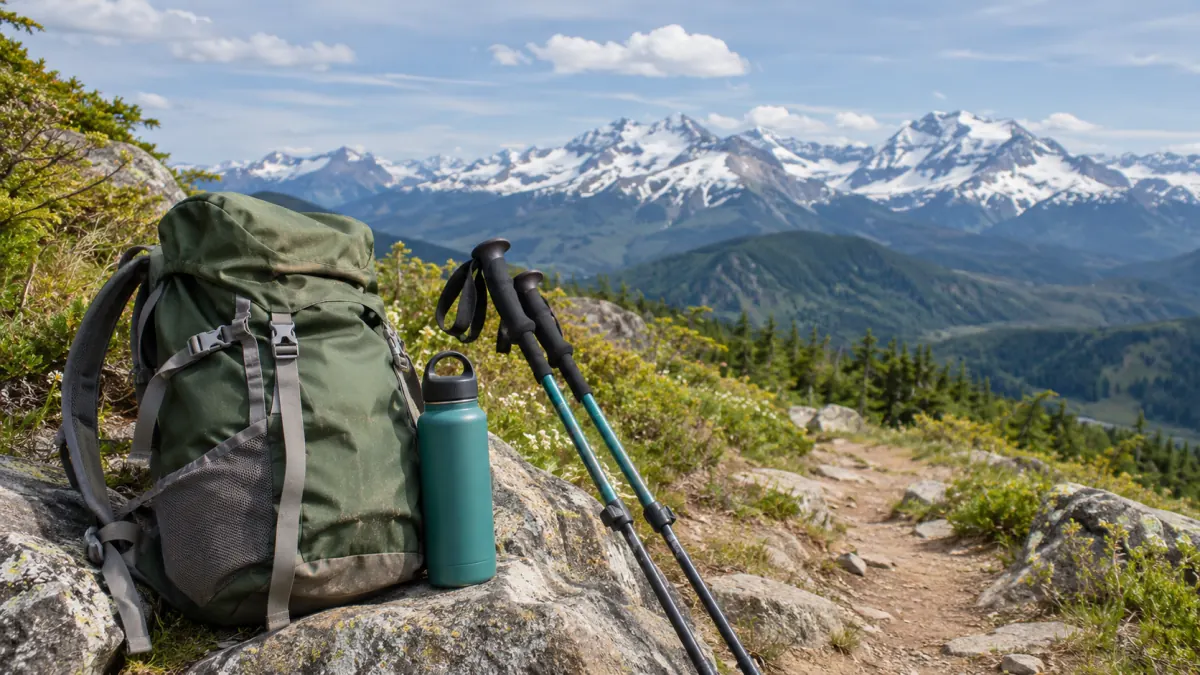
Being in excellent shape does not protect you from altitude sickness. A marathon runner from Stouffville can feel worse on day two in Cusco than a sedentary relative on the same tour, and nobody can reliably predict who will be affected based on fitness, age or toughness. What does predict risk is how high you go, how fast you get there, where you sleep each night, and whether you have had altitude illness before. Those are mostly things you can plan for, which is why a little preparation before a high-elevation trip is worth more than any amount of extra training.
Stouffville sits on the Oak Ridges Moraine a few hundred metres above sea level, so most of us have no day-to-day experience with thin air. Yet more local travellers are heading to places like the Andes, the Himalayas, Kilimanjaro and high-altitude ski resorts in the western United States. This guide explains how altitude illness develops, how to recognize the dangerous forms, how to pace an itinerary, and when medication is worth discussing before you leave.
What happens to the body at altitude
As you climb, air pressure drops, and each breath delivers less oxygen to the lungs. The body adapts by breathing faster and deeper, increasing heart rate, and over days, producing more red blood cells and making other changes. This process, called acclimatization, works well but takes time. Altitude illness happens when you ascend faster than your body can adjust.
Problems become common above roughly 2,500 metres, though sensitive people sometimes notice mild symptoms lower down. Here’s how some popular destinations compare:
| Destination | Approximate elevation |
|---|---|
| Mexico City | 2,240 m |
| Machu Picchu (ruins) | 2,430 m |
| Bogotá, Colombia | 2,640 m |
| Quito, Ecuador | 2,850 m |
| Cusco, Peru | 3,400 m |
| La Paz, Bolivia | 3,600 m (the airport is higher still) |
| Lhasa, Tibet | 3,650 m |
| Everest Base Camp, Nepal | 5,360 m |
| Kilimanjaro summit, Tanzania | 5,895 m |
Note that many travellers fly directly into Cusco or La Paz, which means going from near sea level to well over 3,000 metres in a few hours, with no chance to adjust gradually. That’s a classic setup for symptoms.
The three forms of altitude illness
Acute mountain sickness (AMS)
This is the most common form. Symptoms usually start six to 12 hours after arriving at a new altitude and include:
- Headache (the hallmark symptom)
- Nausea, sometimes vomiting, and poor appetite
- Fatigue or weakness
- Dizziness or light-headedness
- Poor sleep
It often feels like a bad hangover. Mild AMS usually improves within a day or two if you stop climbing and rest at the same altitude. It is not dangerous in itself, but it is a warning that you need to slow down.
High-altitude cerebral edema (HACE)
HACE is a severe, life-threatening progression of AMS in which the brain swells. Warning signs include:
- Loss of coordination, such as stumbling or being unable to walk heel to toe in a straight line
- Confusion, unusual behaviour, or extreme drowsiness
- Worsening headache that doesn’t respond to medication
High-altitude pulmonary edema (HAPE)
HAPE is fluid in the lungs and can occur with or without AMS symptoms, often on the second to fourth night at a new altitude. Watch for:
- Breathlessness at rest, not just on exertion
- A marked drop in ability to exercise compared with companions
- A dry cough that may progress to frothy or pink-tinged sputum
- Chest tightness, a fast heart rate, or bluish lips
Both HACE and HAPE are emergencies. The most important treatment is to descend immediately, even a few hundred metres, and seek medical help. Never leave someone with these symptoms alone, and never let them descend alone. Oxygen and specific medications help, but they are not a substitute for going down.
The golden rules on the mountain
Experienced trek leaders and travel medicine guidelines repeat the same core principles:
- Don’t go higher with symptoms. If you have AMS, stay at the same altitude until symptoms resolve.
- Go down if symptoms get worse or if there are any signs of HACE or HAPE.
- Never leave someone with altitude symptoms alone.
And for pacing, the widely used advice is:
- Above 3,000 metres, increase your sleeping elevation by no more than about 500 metres per night.
- Build in a rest day, sleeping at the same altitude, every three to four days, or after every 1,000 metres gained.
- “Climb high, sleep low”: day hikes to higher points are fine if you return lower to sleep.
- If flying into a high city, plan a couple of easy days before strenuous hiking.
Many commercial trek itineraries, especially shorter Kilimanjaro routes, ascend faster than these guidelines. If you’re comparing tour operators, look for longer routes with extra acclimatization days; it often makes the difference between reaching the summit and turning back sick.
Medication: when it makes sense
Preventive medication is not necessary for everyone. It is generally considered for people at moderate or high risk: those with a previous history of altitude illness, those flying directly to high elevations, or those whose itinerary forces a faster ascent than recommended.
Acetazolamide is the medication most often prescribed. It speeds acclimatization by making the blood slightly more acidic, which prompts deeper breathing. It’s usually started the day before ascent and continued for a couple of days at the highest altitude. Common side effects include tingling in fingers and toes, more frequent urination, and making carbonated drinks taste flat. It’s not suitable for everyone, so it should be discussed with a doctor who knows your medical history, including any sulfa allergy, kidney problems or pregnancy.
Other options exist for specific situations, such as dexamethasone for some people who can’t take acetazolamide, or medication for those with a prior history of HAPE. These are individual decisions made with a clinician. Medication supports a sensible ascent; it doesn’t replace one.
Pain relievers like ibuprofen or acetaminophen can ease AMS headaches, but be careful about masking symptoms, and don’t use pain relief as a reason to keep climbing while unwell.
Who should get medical advice before going
Anyone planning to sleep above 2,500 metres can benefit from a pre-travel visit. It’s especially important if you have:
- Heart disease, including angina or heart failure
- Lung conditions such as COPD or poorly controlled asthma
- Sickle cell disease or trait
- A history of altitude illness, stroke or clots
- Pregnancy
- Young children travelling with you, since kids may struggle to describe symptoms and can show fussiness, poor feeding or sleep changes instead
A pre-travel medical evaluation can review these risks and your planned itinerary. High-altitude destinations also often come with other health needs: hepatitis A, typhoid, rabies, or yellow fever certificates for parts of South America and Africa, and malaria advice for some lower-altitude regions on the same trip. Our post on travel vaccinations explains the timelines, and many vaccines need several weeks before departure.
Getting ready at home
Fitness won’t prevent altitude illness, but it still matters. A trek is far more enjoyable, and safer, when your legs, heart and lungs can handle long days with a pack. Stouffville has good training ground for this. The rolling trails of the Oak Ridges Moraine and Rouge National Urban Park are useful for building endurance on uneven terrain, and stair climbing or hill repeats on a local slope help mimic long ascents. Practise walking for several hours with the pack and boots you’ll actually use, so blisters show up in Stouffville rather than on day three of a trek.
It’s also a good time to get any nagging health issues sorted out: a sore knee, a lingering cough, or blood pressure that hasn’t been checked in a while. Stouffville travellers with chronic conditions should make sure they have enough medication for the whole trip plus extras, carried in original labelled containers, with a written list of diagnoses and prescriptions in case you need care abroad.
Practical tips for the trip itself
- Avoid alcohol and sleeping pills for the first 48 hours at a new altitude, as they can suppress breathing during sleep.
- Drink enough fluids to stay well hydrated, but know that excess water does not prevent altitude sickness.
- Eat regularly, favouring easy-to-digest carbohydrates.
- Pace yourself. Walk slowly enough to hold a conversation.
- Protect against the sun and cold. UV is stronger at altitude, and temperatures drop fast after sunset.
- Check travel insurance. Make sure your policy covers high-altitude trekking and helicopter evacuation if needed. OHIP coverage outside Canada is very limited.
- Know the local healthcare options and how to reach help on your route.
The Government of Canada’s travel advice site has country-specific health and safety information worth reading before you book.
Do coca tea or herbal remedies prevent altitude sickness?
I had no problems at a Colorado ski resort. Will I be fine on Kilimanjaro?
How far ahead should I see a doctor?
Planning your trip with our travel team
HealthSmart offers travel medicine consultations and destination-specific travel advice for Stouffville and area travellers heading to high places. Bring your itinerary, including sleeping elevations if you have them. Book your visit well before departure, or contact us with questions. Some travel services and travel prescriptions may not be covered by OHIP, so please ask the clinic when booking.
This content is general travel health information; your own risks and needs are best reviewed with a clinician before you go.