Arthritis and Joint Pain in Stouffville: Staying Mobile Through Winter and Beyond
Osteoarthritis and inflammatory arthritis behave differently and need different care. A Stouffville guide to symptoms, tests, treatment and helpful exercise.
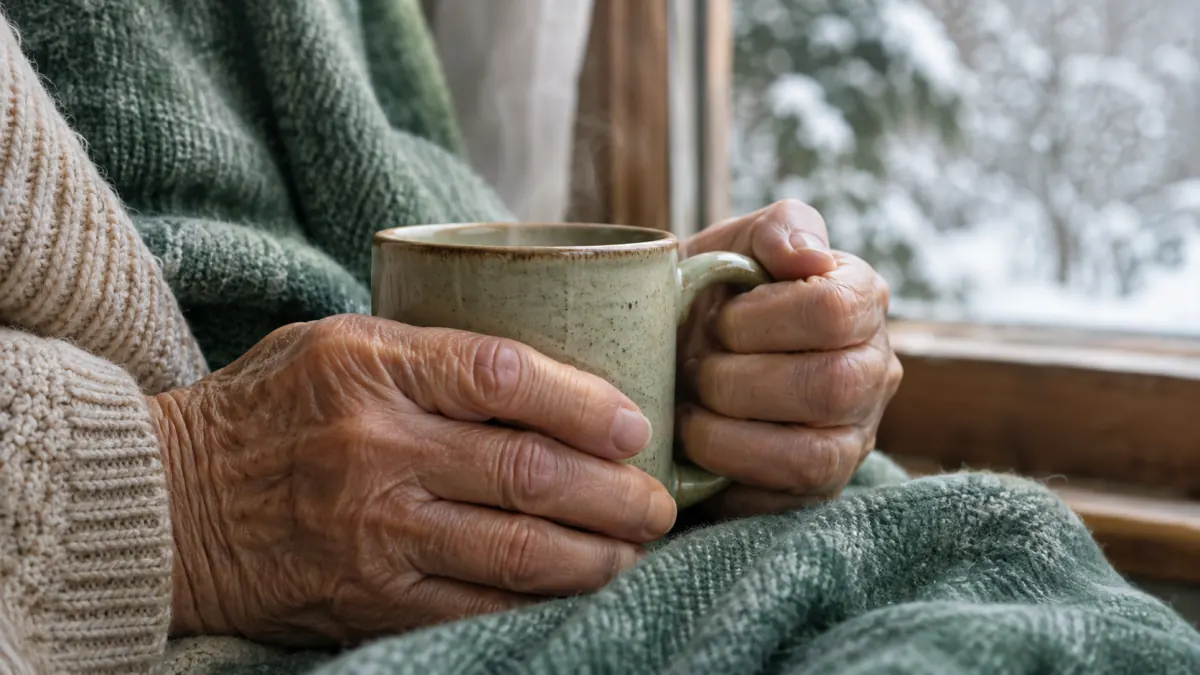
Myth: arthritis is just what happens when you get old, and there is not much to be done about it. Fact: arthritis is extremely common with age, but it is not one single disease, it is not limited to older adults, and there is a great deal that can be done to ease pain and keep you moving. Myth: if a joint hurts, rest it until it stops. Fact: for most kinds of arthritis, the right amount of regular movement is one of the most effective treatments available. Myth: cold weather causes arthritis. Fact: plenty of people feel stiffer on raw February days, but weather does not create the disease, and the reasons for those winter aches are worth understanding.
If you have been reaching for a warm mug in the morning partly to loosen up your hands, or easing down the stairs one step at a time, this guide is for you. It covers the main types of arthritis, how they are diagnosed, what treatments actually help, and the warning signs that need prompt attention, with some practical notes for getting through a Stouffville winter.
Arthritis is a family of conditions
“Arthritis” means inflammation of a joint, but the word covers more than a hundred conditions. Most joint pain seen in a family practice falls into a few groups.
Osteoarthritis
Osteoarthritis (OA) is by far the most common type. It involves gradual changes to the whole joint: the smooth cartilage covering the ends of the bones thins, the underlying bone reshapes, small bony spurs form, and the surrounding tissues are affected too. It most often involves the knees, hips, hands (especially the joints at the ends of the fingers and the base of the thumb), the spine and the big toe.
OA is more likely with age, previous joint injuries (an old hockey or soccer knee injury is a classic example), extra body weight, certain physically demanding jobs, and family history. It is not simply “wear and tear,” though; active joints that are used well tend to fare better than joints that are avoided.
Inflammatory arthritis
In inflammatory arthritis, the immune system attacks the joint lining. Rheumatoid arthritis (RA) is the best known, but psoriatic arthritis, ankylosing spondylitis and arthritis linked with inflammatory bowel disease are in this group too. These conditions can begin at any adult age, including the twenties and thirties, and they can damage joints if untreated. Early diagnosis matters because modern medications work best when started early.
Crystal arthritis and others
Gout, caused by uric acid crystals, causes sudden, intensely painful flares, often in the big toe. Pseudogout is a similar condition caused by a different crystal. Polymyalgia rheumatica, which causes shoulder and hip girdle stiffness in people over 50, is another condition that is often mistaken for “just arthritis.”
Telling the types apart
The table below shows general patterns. Many people do not fit neatly into one column, which is why an assessment is worthwhile.
| Feature | More typical of osteoarthritis | More typical of inflammatory arthritis |
|---|---|---|
| Morning stiffness | Usually under 30 minutes | Often longer than 30 to 60 minutes |
| Pain pattern | Worse with use, better with rest | Can be worse after rest and ease with gentle activity |
| Joints involved | Knees, hips, ends of the fingers, base of the thumb, spine | Often small joints of the hands and feet, frequently both sides |
| Swelling | Bony enlargement, sometimes mild fluid | Soft, warm, puffy swelling |
| Whole-body symptoms | Usually none | Fatigue, low-grade fever or feeling generally unwell can occur |
| Age at onset | Usually middle age and older | Any adult age |
Why joints often feel worse in winter
People have been blaming the weather for their joints for centuries, and research results have been mixed. What is clear is that several winter factors can make joints feel worse:
- Less movement. When the sidewalks are icy and the trails around the Oak Ridges Moraine are buried in snow, many people simply move less. Stiff joints get stiffer.
- Cold muscles and tissues feel tighter, and the body may become more sensitive to pain when chilled.
- Shovelling and slips. Clearing a Stouffville driveway after a snowfall is real work. Heavy lifting, twisting, and falls on ice can aggravate sore joints or cause new injuries.
- Mood and sleep. Shorter days can dampen mood and disrupt sleep, both of which make pain feel louder.
None of that means you are imagining it. It does mean that some of the winter flare is within your control.
How joint pain is assessed
A visit usually starts with questions about which joints hurt, how long it has been going on, how stiff you are in the morning, what makes it better or worse, and whether you have other symptoms such as rashes, eye inflammation, bowel changes or psoriasis. The clinician will then examine your joints for swelling, warmth, range of motion and alignment.
Depending on what they find, they may arrange:
- X-rays of the affected joints, which can confirm osteoarthritis and show its pattern. MRI is rarely needed for typical OA. A diagnostic imaging referral can be arranged when imaging will help guide care.
- Blood tests such as inflammatory markers (ESR and CRP), rheumatoid factor and anti-CCP antibodies, uric acid, kidney function and a blood count. These are mainly useful when inflammatory arthritis or gout is suspected. We can provide laboratory testing referrals for nearby labs.
- Joint fluid testing, where fluid is drawn from a swollen joint to look for crystals or infection. This is usually done by a specialist or in hospital.
If inflammatory arthritis is suspected, a referral to a rheumatologist is usually the next step. Waits for rheumatology in Ontario can be long, so it helps for Stouffville patients to get the referral started early. Our specialist referrals process takes care of the paperwork.
What helps osteoarthritis
Treatment for OA is built in layers. The foundation applies to almost everyone; the upper layers are added as needed.
The foundation: exercise, weight and education
- Strengthening exercise. Stronger muscles around a joint take load off it. For knees, that means the thigh and hip muscles. A physiotherapist can design a program, or structured education-and-exercise programs for hip and knee OA, such as GLA:D, are offered at some physiotherapy clinics in Ontario.
- Aerobic activity. Walking, cycling, swimming and water exercise all help with pain and function. Aim to build up gradually toward about 150 minutes a week, broken into whatever chunks you can manage.
- Weight management, if relevant. For knee OA, losing even a modest amount of weight noticeably reduces the load on the joint with every step.
- Pacing. Spread demanding tasks through the day and week rather than doing everything at once.
Some soreness during or after exercise is normal and does not mean you are damaging the joint. A useful rule of thumb is that pain should settle back to your usual level within about 24 hours. If it does not, scale back slightly rather than stopping.
Medications
- Topical anti-inflammatory gels, such as diclofenac, are a good option for knees and hands, with fewer whole-body side effects than pills.
- Oral anti-inflammatories such as ibuprofen or naproxen can help with flares, but they can affect the stomach, kidneys, blood pressure and heart. Check with a clinician or pharmacist before using them regularly, particularly if you are over 65 or take blood thinners or blood pressure medication.
- Acetaminophen is generally safe at the correct dose but gives only modest relief for OA.
- Corticosteroid injections into a joint can calm a flare for weeks to months. They are typically limited to a few per year in the same joint.
- Duloxetine, a medication that acts on pain processing, is sometimes used for chronic OA pain.
Opioids are generally not recommended for osteoarthritis because the risks tend to outweigh the benefits.
Aids and adaptations
A cane held in the hand opposite the sore hip or knee, a knee brace, supportive footwear, thumb splints, jar openers and raised toilet seats can make daily life noticeably easier. Small changes add up.
When surgery is discussed
Joint replacement can be life-changing for people with advanced hip or knee OA whose pain and disability persist despite good non-surgical care. If you reach that point, a referral to an orthopaedic surgeon can be arranged.
What helps inflammatory arthritis
Inflammatory arthritis is treated with disease-modifying medications, such as methotrexate and newer biologic drugs, that calm the immune system and protect the joints. These are usually started and monitored with a rheumatologist, often with regular blood tests. Your family practice continues to play a big role: managing other health conditions, monitoring blood work, keeping vaccines up to date and coordinating care. Ongoing chronic disease management visits are a good place for that.
A winter checklist for achy joints
- Do a few minutes of gentle range-of-motion exercises before getting out of bed or first thing in the morning.
- Dress in warm layers and keep your hands covered outdoors.
- Use ice grips on boots and salt or sand your steps and driveway early.
- Push snow rather than lifting it, take frequent breaks, or arrange help.
- Find an indoor option for movement on the worst days: a mall walk, a pool, an exercise video at home.
- Keep a consistent sleep schedule and get outside in daylight when you can.
Red flags: get help quickly
Go to an emergency department, such as Markham Stouffville Hospital or Uxbridge Hospital, or call 911 if needed, for any of the following, whether you live in Stouffville proper or out toward Gormley or Goodwood:
- A single hot, red, very swollen joint with fever or chills. This can be a joint infection, which needs urgent treatment to protect the joint.
- A joint that suddenly cannot bear weight after a fall, or that looks deformed.
- New headache, scalp tenderness, jaw pain when chewing, or vision changes in someone over 50, especially with shoulder or hip stiffness. This can signal giant cell arteritis, which can threaten vision.
- Back pain with new weakness in the legs, numbness in the groin area, or loss of bladder or bowel control.
Quick answers
Does cracking my knuckles cause arthritis?
Are glucosamine supplements worth it?
Getting help for joint pain in Stouffville
Persistent joint pain deserves more than a shrug. If stiffness, swelling or aching is limiting your days, book a visit with HealthSmart Medical Clinic and we can work out what kind of arthritis you are dealing with and build a plan around it. Our clinic is at 208-5892 Main Street in Stouffville, and you can reach us at 905-642-6300 if you have questions before booking.
This article is meant as general information about arthritis and joint health, not as personal medical advice.