Atrial Fibrillation in Stouffville: Irregular Heartbeats, Smartwatch Alerts and Stroke Risk
Got an irregular rhythm alert or fluttering heartbeat? How atrial fibrillation is confirmed in Stouffville, why stroke prevention matters and how it is managed.
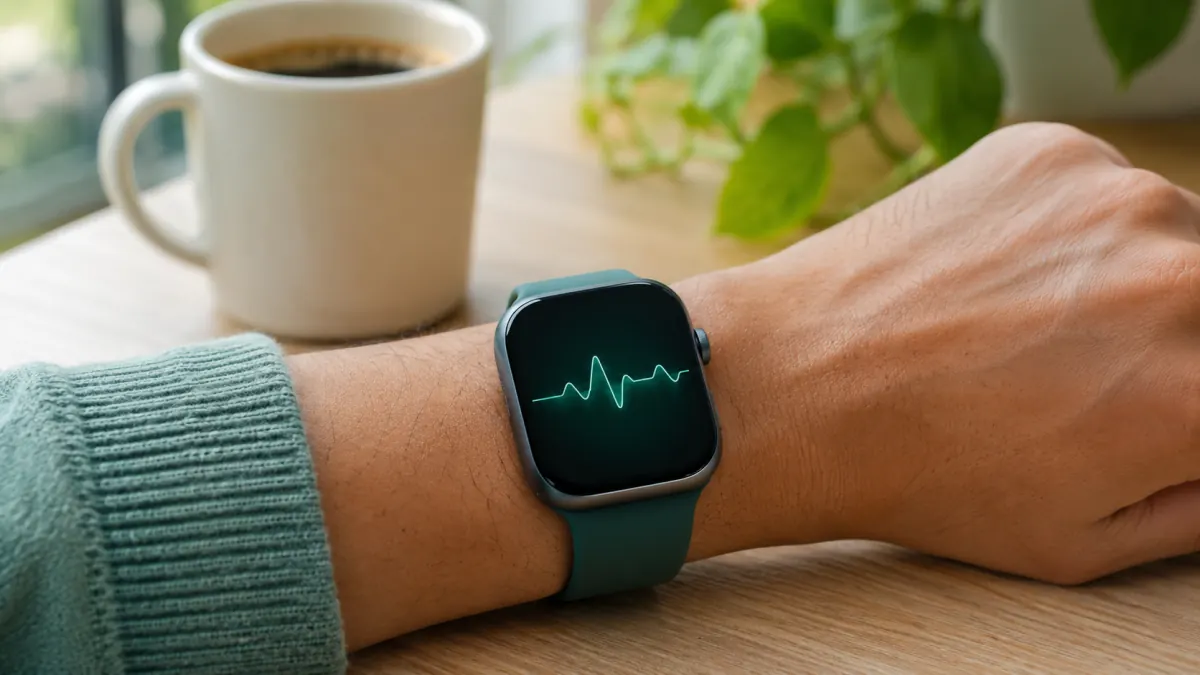
The notification arrives quietly, a small buzz on the wrist while you are reading the news over breakfast: your watch has detected an irregular rhythm suggestive of atrial fibrillation. You feel more or less fine. Perhaps your heart has seemed a bit fluttery lately, or perhaps not at all. What now? More and more people are asking that question as smartwatches and fitness trackers with heart rhythm features become common gifts and everyday accessories. Sometimes the alert turns out to be nothing. Sometimes it uncovers a condition that has been silently raising the risk of stroke for months. Atrial fibrillation, usually called AFib, is the most common sustained heart rhythm problem in adults, and it becomes far more common with each decade after 50. This article explains what it is, how it is confirmed, why the conversation always turns to stroke prevention, and how treatment works, with a focus on what Stouffville patients can expect.
What happens in the heart during AFib
A healthy heartbeat starts with an electrical signal from a natural pacemaker in the upper right chamber of the heart. That signal spreads in an orderly wave, causing the upper chambers (the atria) to squeeze, then travels to the lower chambers (the ventricles), which pump blood to the body. The result is a regular, coordinated beat.
In atrial fibrillation, the electrical activity in the atria becomes chaotic. Instead of a single organized signal, hundreds of disorganized impulses fire at once. The atria quiver rather than contract properly, and the ventricles receive irregular signals, so the heartbeat becomes irregular and often fast.
Two consequences follow:
- Symptoms, because the heart pumps less efficiently and the rhythm can feel unpleasant.
- Stroke risk, because blood that is not moving briskly through the quivering atria can form clots, particularly in a small pouch called the left atrial appendage. If a clot travels to the brain, it can cause a stroke.
Types of AFib
- Paroxysmal: episodes that start and stop on their own, usually within a week, often within hours
- Persistent: episodes lasting longer than a week, or needing treatment to stop
- Long-standing persistent and permanent: AFib that has been present a long time, where the decision is made to manage it rather than restore normal rhythm
Symptoms, or the lack of them
Some people with AFib feel it vividly; others feel nothing and only learn about it from a routine exam, an ECG done for another reason or a wearable device. When symptoms happen, they may include:
- Palpitations: a fluttering, racing, pounding or irregular heartbeat
- Shortness of breath, especially with activity
- Fatigue or reduced ability to exercise
- Light-headedness or dizziness
- Chest discomfort
- Anxiety or a sense that something is “off”
Who tends to develop AFib
The risk rises with age and with conditions that strain the heart over time:
- High blood pressure, which is one of the most important and most treatable contributors
- Heart failure, heart valve disease or previous heart attack
- Diabetes and obesity
- Obstructive sleep apnea
- An overactive thyroid
- Heavy or binge drinking; even regular moderate alcohol can increase risk
- Recent surgery, especially heart surgery, or a serious infection
- A family history of AFib
Some episodes are triggered by a specific situation, such as a weekend of heavy drinking, severe lack of sleep or an acute illness.
Your watch said AFib. What happens next?
Smartwatch rhythm features can be genuinely helpful, and several have been studied for detecting AFib. But they are screening tools, not a diagnosis. They can produce false alarms, from movement or loose fit, and they can miss episodes. Here is a sensible approach:
- Do not panic, but do not ignore it. If you feel well, a timely clinic appointment is appropriate.
- Save the evidence. Many watches let you record a single-lead ECG tracing or export a report. Save or screenshot anything available, with dates and times.
- Note how you felt at the time of any alert or symptoms.
- Book a visit. A clinician will examine you and arrange a proper 12-lead ECG test. If you are in AFib at the time, the ECG confirms it.
- Expect monitoring if it comes and goes. If the ECG is normal but episodes are suspected, a wearable monitor worn for one or more days or weeks may be used to capture the rhythm. This is part of broader heart health monitoring.
For background on what an ECG actually measures and how the appointment works, see our article on ECG testing in Stouffville.
Further tests often include blood work (thyroid function, kidney function, blood count, sugar and cholesterol), and an echocardiogram, an ultrasound of the heart, to check its structure and pumping function.
Preventing stroke: the most important decision
For many people, the single most consequential part of AFib care is deciding whether to take a blood thinner (anticoagulant). AFib-related strokes tend to be larger and more disabling than average, and anticoagulants reduce the risk substantially.
Canadian guidance uses a simple screening approach often called CHADS-65. In broad strokes, people with AFib who are 65 or older, or who have any of heart failure, high blood pressure, diabetes, or a previous stroke or mini-stroke, are generally advised to take an oral anticoagulant unless there is a strong reason not to. People younger than 65 without those factors may not need one, though other heart conditions can change that advice.
Anticoagulants do raise the risk of bleeding, which is why the decision is individualized. Your clinician will look at your kidney function, other medications, history of bleeding and fall risk. Some important points:
- Aspirin is not considered an adequate substitute for an anticoagulant for stroke prevention in AFib.
- Several newer anticoagulants need little or no routine blood monitoring, while warfarin needs regular INR blood tests.
- Never stop a blood thinner on your own before a procedure, dental work or because of bruising; talk to your prescriber first.
- Tell every clinician, dentist and pharmacist that you take one.
Controlling the rhythm and the rate
Treatment of the heartbeat itself usually follows one of two broad strategies, often combined:
| Strategy | Aim | Common tools |
|---|---|---|
| Rate control | Keep the heart rate at a comfortable, safe level even if the rhythm stays irregular | Medications such as beta blockers or certain calcium channel blockers |
| Rhythm control | Restore and maintain a normal rhythm | Antiarrhythmic medications, electrical cardioversion, catheter ablation |
Which approach suits you depends on symptoms, how long AFib has been present, other heart conditions and personal preference. Catheter ablation, done by a cardiac electrophysiologist, is increasingly offered to people whose AFib causes significant symptoms despite medication, and sometimes earlier.
Treating the drivers
Addressing underlying factors can reduce how often AFib occurs and how severe it is:
- Good blood pressure control, which high blood pressure management can support
- Weight loss for people living with obesity, which has been shown to reduce AFib burden
- Testing for and treating sleep apnea
- Cutting back on alcohol, or stopping
- Regular moderate exercise
- Managing diabetes and thyroid problems
Living day to day with AFib
A diagnosis of AFib does not mean giving up an active life. Most people continue to work, travel, exercise and enjoy their usual routines once treatment is settled. A few habits make things smoother:
- Keep a medication list in your wallet or phone, including your anticoagulant and dose, so emergency staff and pharmacists can see it at a glance.
- Take medications at the same time each day. Many anticoagulants wear off fairly quickly, so missed doses matter. A weekly pill organizer or phone reminder helps.
- Stay active. Walking the trails around the Stouffville Reservoir or a regular swim at the Leisure Centre is good for both the heart and blood pressure. If vigorous exercise brings on symptoms, ask your clinician about the right intensity.
- Plan ahead for travel. Pack extra medication in your carry-on and carry a copy of your most recent ECG if you have one.
- Watch for bleeding if you take a blood thinner: unusual bruising, blood in urine or stool, or nosebleeds that will not stop deserve a prompt call.
- Keep follow-up appointments so blood pressure, kidney function and doses can be reviewed over time.
Emergency signs: call 911
Call 911, and do not drive yourself, if you notice signs of a stroke. Use BE FAST:
- Balance: sudden loss of balance or coordination
- Eyes: sudden loss of vision or double vision
- Face: drooping on one side
- Arms: weakness or numbness in an arm or leg
- Speech: slurred, garbled or unable to speak
- Time: call 911 immediately and note when symptoms started
Also call 911 or go to the nearest emergency department, Markham Stouffville Hospital or Uxbridge Hospital, if a rapid or irregular heartbeat comes with chest pain, severe shortness of breath, fainting or near-fainting, or confusion. Paramedics can start treatment on the way and take you to the right hospital.
Can AFib go away on its own?
Is coffee off-limits with AFib?
Bringing your heart questions to HealthSmart
If your watch has flagged an irregular rhythm, if you have noticed palpitations, or if you already have AFib and need ongoing follow-up, our clinicians on Main Street in Stouffville can help coordinate testing, medications and referrals. Book an appointment or call 905-642-6300, and bring any saved watch tracings with you. Hours can change, so please check our location page before visiting.
This article is general information for Stouffville residents and does not substitute for an individual cardiac assessment.