Blood Thinners in Stouffville: Living Safely on Anticoagulants
Missed doses, painkillers, dental work, icy falls: everyday situations that matter on a blood thinner, plus bleeding warning signs for Stouffville patients.
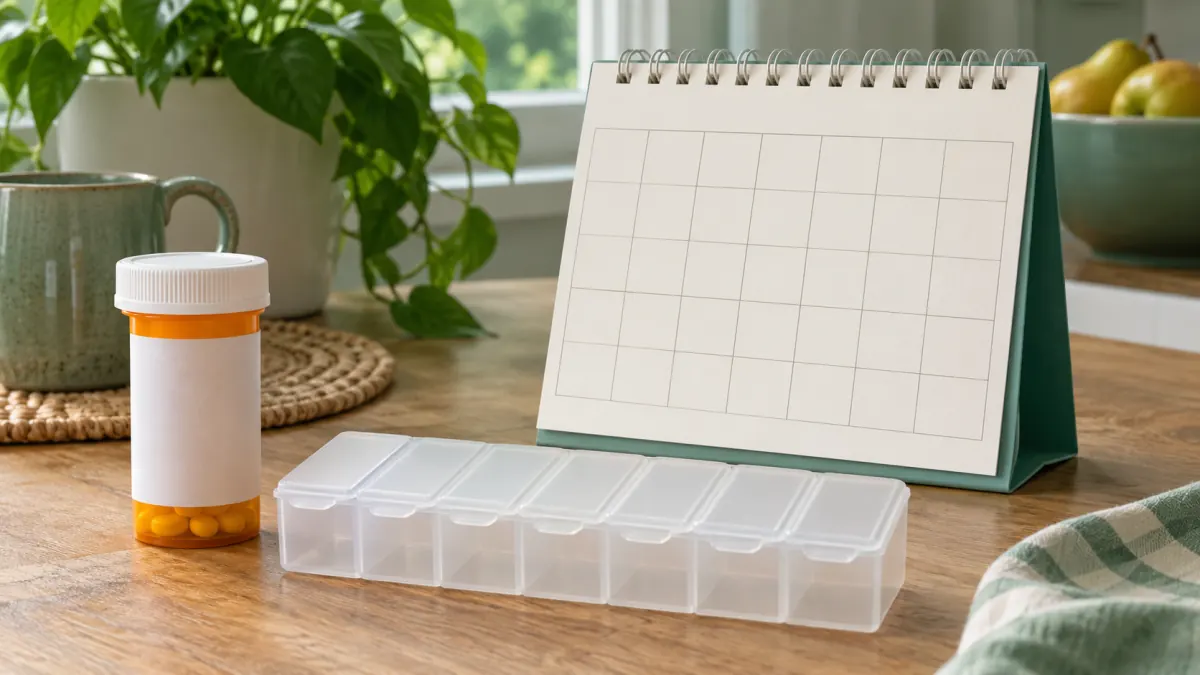
Could you point to the blood thinner in your weekly pill organizer and say what it’s for, what to do if you miss a dose, and which pain reliever is safe to take alongside it? Many people who take one every day can’t, and that’s not a criticism; the prescription was often started during a stressful hospital stay or a rushed appointment, and the details didn’t stick. Yet those details matter more with blood thinners than with almost any other common medication.
Blood thinners prevent dangerous clots that can cause strokes, heart attacks and clots in the legs and lungs. They are highly effective, and for the right person, the benefit far outweighs the risk. The trade-off is a higher chance of bleeding, which is why everyday decisions, from a headache tablet to a snow-shovelling session on an icy Stouffville driveway, deserve a bit more thought. This guide covers the main types, safe daily habits, and the warning signs that need urgent care.
Why people take blood thinners
Common reasons include:
- Atrial fibrillation, an irregular heart rhythm that allows clots to form in the heart and travel to the brain, causing stroke
- Deep vein thrombosis (DVT), a clot in a leg or arm vein
- Pulmonary embolism, a clot that has travelled to the lungs
- Mechanical heart valves
- After certain surgeries, such as hip or knee replacement, for a limited time
- After a heart attack or stent, where antiplatelet medicines are used
The reason matters because it determines which medicine is chosen and how long it’s needed. Some people take a blood thinner for three months; others for life.
The main types
“Blood thinner” is a loose term. These medicines don’t actually thin the blood; they slow the clotting process in different ways.
| Group | Examples (generic names) | Key points |
|---|---|---|
| Warfarin | Warfarin | Needs regular INR blood tests; affected by vitamin K in food and by many other medications |
| Direct oral anticoagulants (DOACs) | Apixaban, rivaroxaban, dabigatran, edoxaban | No routine INR monitoring; fewer food interactions; kidney function checks still needed |
| Injectable anticoagulants | Low-molecular-weight heparins | Given by injection, often short term, after surgery, during pregnancy or in some cancer-related clots |
| Antiplatelets | ASA (acetylsalicylic acid), clopidogrel, ticagrelor | Work on platelets; used after heart attacks, stents and some strokes; sometimes combined with an anticoagulant |
Knowing which group your medicine belongs to helps you follow the right precautions. Write the name and dose on a card in your wallet, or keep it on your phone.
Warfarin and the INR
If you take warfarin, the INR (international normalized ratio) measures how long your blood takes to clot. Most people have a target range, often between 2 and 3, though some conditions need a different range. Too low, and clots can form; too high, and bleeding risk rises.
Tips for steady INR results:
- Keep vitamin K intake consistent. You don’t need to avoid leafy greens like spinach, kale and broccoli. Just eat similar amounts from week to week rather than switching suddenly from none to a big salad every day.
- Tell your prescriber about any new medication, including antibiotics, which commonly affect INR.
- Take warfarin at the same time each day.
- Report illness. Vomiting, diarrhea, fever and reduced eating can all shift your INR.
- Keep your INR schedule. Testing is arranged through blood work requisitions at a community lab, and some people use point-of-care testing.
DOACs: simpler, but not hands-off
DOACs have become the first choice for many people with atrial fibrillation or clots because they don’t require INR tests. But they still need:
- Kidney function checks, at least yearly and more often in older adults or people with kidney disease, because several DOACs are cleared through the kidneys and doses may need to change
- Strict timing. DOACs wear off faster than warfarin, so missing doses leaves you unprotected sooner
- Attention to interactions with certain antifungals, seizure medicines, some heart rhythm drugs and others
Coverage for some DOACs under the Ontario Drug Benefit and private plans has specific criteria; ask your pharmacist or doctor if cost is a concern.
Missed doses
Instructions differ between medications and between once-daily and twice-daily regimens. As general principles:
- Never double up to make up for a missed dose unless your prescriber or pharmacist has told you to.
- Check your medication leaflet or call your pharmacist for the exact rule for your drug.
- Use reminders: a pill organizer, a phone alarm, or linking the dose to a daily habit like breakfast.
- Plan ahead for travel, including time zone changes and extra supply in your carry-on.
Everyday safety on a blood thinner
Pain relief
Acetaminophen is usually the preferred choice for aches and fevers. Anti-inflammatory drugs like ibuprofen and naproxen, and ASA at pain-relief doses, raise the risk of stomach bleeding when combined with anticoagulants. Avoid them unless your doctor specifically approves.
Supplements and herbal products
Some supplements affect clotting or interact with blood thinners, including high-dose fish oil, ginkgo, garlic supplements, turmeric in concentrated forms, St. John’s wort and vitamin E. Always check with a pharmacist before starting anything new.
Alcohol
Moderate alcohol is generally acceptable for many people, but heavy drinking raises bleeding risk and, with warfarin, can make INR unstable. Ask what’s reasonable for you.
Falls and head bumps
Ontario winters bring icy sidewalks and slippery steps, and a fall that would be minor for most people can be serious on a blood thinner. Wear boots with good grip or ice cleats, use handrails, salt your walkway, and keep a light on at night. Our article on fall prevention for seniors has more practical tips.
Any significant head injury while on a blood thinner should be assessed in an emergency department, even if you feel fine. Bleeding inside the skull can develop slowly.
Shaving, gardening and small cuts
An electric razor and a soft toothbrush reduce minor bleeding. Wear gloves for gardening and yard work. For a small cut, apply firm pressure for ten minutes without peeking. Most small cuts stop with steady pressure.
Dental work, procedures and surgery
Tell your dentist, surgeon and anyone doing a procedure that you’re on a blood thinner. Don’t stop the medication on your own before a procedure. Many dental cleanings and minor procedures are done without interruption; others require a plan for when to pause and restart. Your prescriber should guide this.
Warning signs of bleeding
Call your doctor promptly for:
- Unusual bruising, especially large bruises without an injury
- Nosebleeds that happen often or take longer than usual to stop
- Bleeding gums after brushing
- Heavier-than-usual menstrual periods
- Pink, red or brown urine
Go to the emergency department or call 911 for:
- Black, tarry stools or bright red blood from the rectum
- Vomiting blood or material that looks like coffee grounds
- A sudden severe headache, confusion, vision change, weakness or trouble speaking
- Any significant fall or head injury
- A nosebleed or cut that won’t stop after 15 to 20 minutes of firm pressure
- Coughing up blood
- Dizziness, fainting, or a rapid heartbeat with paleness
Signs of a clot, such as new leg swelling and pain, sudden shortness of breath, chest pain, or stroke symptoms (BE FAST: balance, eyes, face, arm, speech, time), also need emergency care. In and around Stouffville, the nearest emergency departments are at Markham Stouffville Hospital and Uxbridge Hospital.
Travel and long trips
Long car rides, flights and bus journeys raise clot risk for everyone, and people who have had a clot before need to be particularly careful. Whether it’s a drive to the cottage north of Stouffville or a winter flight south, a few habits help:
- Keep taking your blood thinner on schedule, adjusting for time zones as your pharmacist advises
- Pack medication in your carry-on, with extra doses in case of delays
- Get up and walk every hour or two, or flex your ankles regularly if you’re seated
- Stay hydrated and limit alcohol on the journey
- Carry a medication list and know where you’d go for care at your destination
- Check that your travel insurance covers pre-existing conditions
If you’re on warfarin and travelling for several weeks, ask about arranging an INR test while away or before you leave.
Keeping your care coordinated
Blood thinners work best when everyone involved knows about them. A few habits help:
- Use one pharmacy, ideally one close to home in Stouffville, so interactions are flagged automatically.
- Bring an updated medication list to every appointment.
- Ask at least once a year whether the dose, the drug and the duration are still right. Kidney function, weight, age and new diagnoses can all change the answer.
- Keep regular chronic disease follow-up care appointments if you have atrial fibrillation, heart disease or other ongoing conditions. Our heart health monitoring service supports this.
Can I get a flu shot on a blood thinner?
Will I need a blood thinner forever?
Is it safe to exercise?
Reviewing your blood thinner with us
A short visit can clear up which medication you’re on, how to handle missed doses, and what to do before your next dental appointment. HealthSmart Medical Clinic in Stouffville offers medication reviews, lab requisitions and ongoing follow-up for people on anticoagulants. Book a visit, and check our location page for directions and current hours, which may change.
This article provides general information about blood thinners; always follow the instructions of your own prescriber and pharmacist.