Cellulitis in Stouffville: Spotting a Spreading Skin Infection Early
A small scrape that turns red, warm and spreading may be cellulitis. Early signs, how it's treated, red flags for urgent care and getting seen in Stouffville.
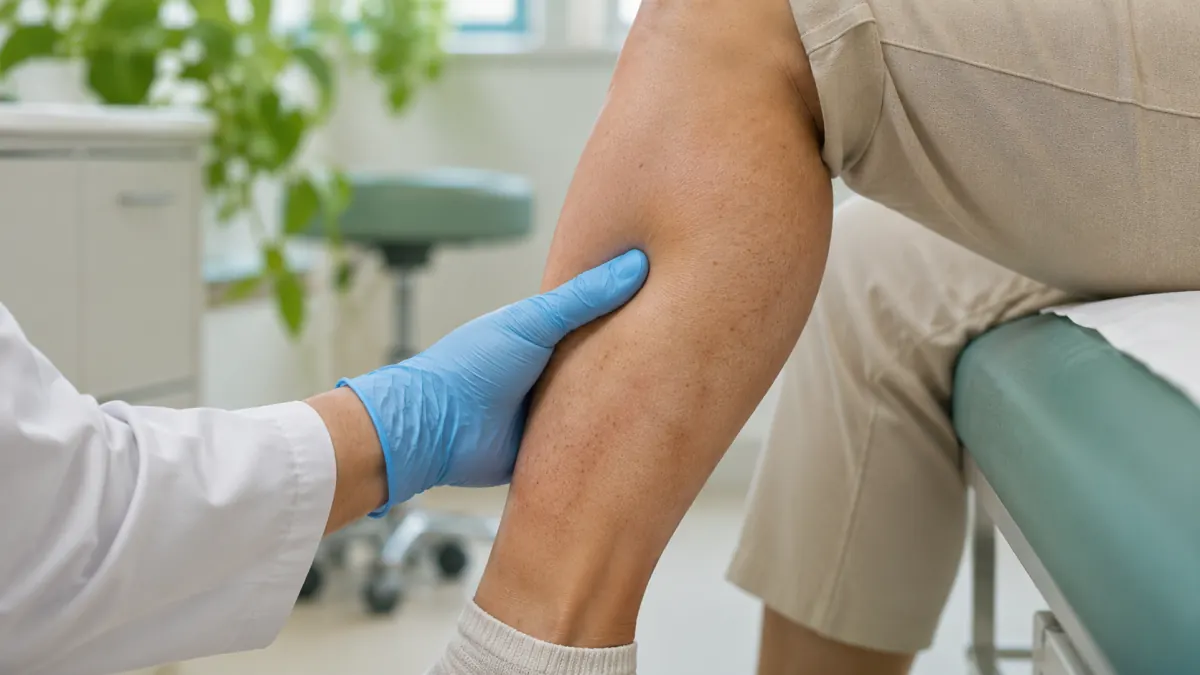
A man in his sixties scratches his shin on a garden stake while staking tomatoes. He washes it, forgets about it, and two days later notices a pink patch the size of a coaster around the scratch. By the next evening the patch is the size of his palm, the skin feels hot and tight, and walking to the mailbox makes his leg throb. He has no fever, so he decides to wait and see. That decision is where cellulitis often gets the head start it does not deserve.
The story is a composite, but the pattern is familiar to anyone who works in a family practice or walk-in clinic, especially through the summer and early fall when gardening, hiking and bug bites are part of daily life around Stouffville. Cellulitis is common, usually very treatable, and occasionally serious. The difference often comes down to how early it is recognized.
What cellulitis is
Cellulitis is a bacterial infection of the deeper layers of the skin and the tissue just beneath it. The bacteria responsible are usually streptococcus or staphylococcus species, which normally live harmlessly on the skin surface. When the skin barrier is broken, they can slip into the tissue underneath and multiply.
The entry point is often obvious: a cut, scrape, insect bite, blister, surgical wound or tattoo. Just as often, it is not. Tiny cracks between the toes from athlete’s foot, dry cracked heels, or skin broken down by eczema are enough to let bacteria in.
Cellulitis versus an abscess
People sometimes confuse cellulitis with a boil or abscess, and the two can occur together. An abscess is a walled-off pocket of pus that feels like a firm or squishy lump and may come to a head. Cellulitis is a flat or slightly raised area of spreading redness and swelling without a defined pocket. The treatment differs: abscesses often need drainage, while cellulitis is treated with antibiotics. Our article on abscesses and boils covers lumps that collect pus in more detail.
How to recognize it
The classic signs follow an old medical mnemonic: redness, warmth, swelling and pain.
- Redness that spreads outward from a wound or appears on otherwise intact skin. On darker skin tones, the colour may look purple, brown or deeper than the surrounding skin rather than red, so warmth and swelling are especially important clues.
- Warmth that you can feel by comparing the back of your hand on the affected area and the same spot on the other side.
- Swelling that may make skin look shiny or tight, sometimes with a dimpled “orange peel” texture.
- Pain or tenderness, often more than you would expect for the size of the original wound.
- Spread over hours to days. This is the feature that most clearly separates cellulitis from simple irritation around a cut.
Some people also develop fever, chills, fatigue or swollen, tender lymph nodes in the groin or armpit. Red streaks running up the limb from the area (lymphangitis) mean the infection is travelling along lymph channels and needs prompt assessment.
The most common locations
Cellulitis can occur anywhere, but the lower leg is by far the most frequent site in adults. Arms, hands, the face and the area around the eye are other common locations. In children, the face and limbs are typical.
Who is more likely to get it
Anyone can develop cellulitis, from a teenager with a blister after a Stouffville soccer tournament to a retiree with swollen ankles, but risk is higher with:
- Diabetes, particularly when blood sugar is not well controlled or there is reduced feeling in the feet
- Swelling of the legs from venous insufficiency, heart failure or lymphedema
- Athlete’s foot or other skin conditions that cause cracks
- Previous episodes of cellulitis in the same area
- Obesity
- A weakened immune system from illness or medications
- Recent surgery, including procedures that removed lymph nodes
- Injection drug use
If you have had cellulitis before, especially in one leg, you have a higher chance of it returning. Managing leg swelling and treating athlete’s foot are some of the most effective ways to prevent repeat episodes.
Conditions that look like cellulitis but are not
Not every red leg is infected. Doctors keep several look-alikes in mind:
| Condition | How it differs |
|---|---|
| Stasis dermatitis | Usually both legs, itchy or scaly, longstanding, related to poor circulation |
| Deep vein thrombosis (blood clot) | Calf swelling and pain, sometimes redness; needs urgent testing |
| Contact dermatitis | Itchy rather than painful, shaped like whatever touched the skin |
| Large local reaction to a bug bite | Itchy, appears within a day of the bite, not progressively spreading over days |
| Gout | Joint-centred redness and severe pain, often the big toe |
| Erythema migrans (Lyme disease) | Expanding red rash after a tick bite, often not painful or warm |
The rule of thumb many clinicians use: cellulitis is almost always on one side. Two red, swollen legs at the same time is more likely to be something else. A clot is the look-alike that matters most, because it carries its own risks, so a hot, swollen calf deserves an assessment rather than a guess.
What to expect at an appointment
Cellulitis is diagnosed mainly by examination. The doctor will look at the skin, check for an entry point, feel for warmth, swelling or a hidden abscess, check lymph nodes and take your temperature. Blood tests and swabs are not needed for most straightforward cases but may be used when the infection is severe, keeps coming back, or when there is a wound that is draining.
Marking the border
One of the most helpful things a clinician may do is outline the edge of the redness with a pen and note the date and time. This gives you and the next person who sees you an objective way to judge whether the infection is shrinking, stable or spreading. You can do this yourself at home if you notice a red area expanding before your appointment; take a photo, too.
Treatment
For most Stouffville patients, cellulitis is treated at home with oral antibiotics, usually taken for about five to ten days depending on how quickly it improves. It is important to:
- Take every dose as directed and finish the course unless your doctor tells you otherwise.
- Elevate the affected limb above the level of your heart as much as you can. This reduces swelling and speeds healing more than people expect.
- Use pain relief such as acetaminophen or ibuprofen if suitable for you.
- Watch the pen line. It is common for redness to spread slightly in the first 24 to 48 hours even when the antibiotic is working, but you should feel better and see the area settling within two to three days.
- Rest and drink plenty of fluids.
If the infection is spreading quickly, you are very unwell, or oral treatment is not working, intravenous antibiotics in hospital may be needed.
Red flags: when to go to emergency
Seek emergency care right away, at Markham Stouffville Hospital, Uxbridge Hospital, or by calling 911, if you have:
- Fever with chills, rapid heartbeat, confusion, dizziness or feeling faint
- Redness spreading rapidly, especially visibly over a few hours
- Pain that seems far worse than the skin looks, or skin turning dusky, purple, black or blistered, which can signal a rare but dangerous deep infection
- Numbness in the affected area
- Redness and swelling around the eye, particularly with pain moving the eye, double vision or a bulging eye
- Infection on the face that is spreading
- Cellulitis with diabetes plus signs of being very unwell or a foot wound that is deep
- No improvement or worsening after 48 to 72 hours of antibiotics
If you are unsure, Health811 (call 811) can help you decide where to go.
Preventing cellulitis
Many cases can be prevented with simple skin care:
- Clean cuts and scrapes promptly with clean running water, then cover them with a clean bandage. The clinic’s minor wound care service can help with wounds that are slow to heal.
- Moisturize dry, cracked skin, especially heels and shins.
- Treat athlete’s foot. Check between your toes, keep feet dry, and use an antifungal if needed.
- Control leg swelling with elevation, movement, and compression stockings if your doctor recommends them.
- Look after your feet if you have diabetes. Check them daily for cuts, blisters and colour changes, and keep diabetes management visits up to date.
- Wear gloves for gardening and protective footwear outdoors, whether you are in a backyard in Stouffville or walking trails near Musselman’s Lake.
- Avoid scratching bug bites, and keep fingernails short for children who do.
People who get repeated episodes sometimes need a longer-term plan with their doctor, which might include treating underlying swelling more aggressively or, in selected cases, preventive antibiotics.
Is cellulitis contagious?
Can I swim while I have cellulitis?
Where to start if your skin looks infected
Spreading redness should not wait for a routine appointment weeks away. HealthSmart Medical Clinic on Main Street offers same-day medical appointments when available, and our walk-in clinic can assess skin infections, mark the border and start treatment if needed. You can book online before you come; since our hours may change, the location page has the latest details for Stouffville patients.
The information above is general in nature and cannot diagnose or treat any individual skin concern.