Children's Anxiety in Stouffville: Spotting the Signs and Helping Your Child Cope
Stomach aches before school, clinginess, bedtime worries: anxiety in kids often looks physical. How Stouffville parents can recognize it, respond and get help.
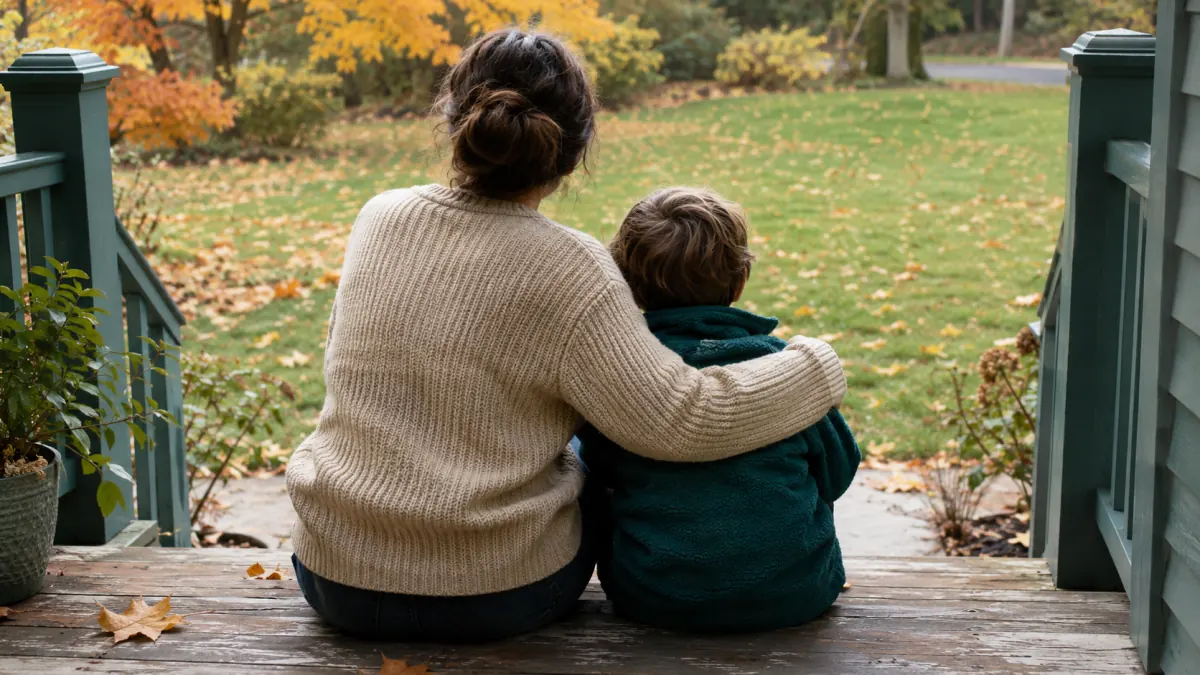
A stomach ache that shows up on school days and quietly disappears by Saturday is one of the oldest clues in children’s medicine. So is the headache before a swim lesson, the sudden need for the washroom before a birthday party, or the child who asks the same “what if” question four times at bedtime. Children rarely announce that they feel anxious. They don’t always have the words, and many of them genuinely believe the problem is their tummy. Parents end up being detectives, piecing together patterns from mornings, car rides and bedtimes.
Some worry is a normal and even useful part of growing up. A child who is nervous before a test or shy on the first day at a new school is learning to handle uncertainty. Anxiety becomes a concern when it is more intense than the situation calls for, sticks around for weeks, and starts to shrink a child’s world, keeping them from school, friends, activities or sleep. The good news is that childhood anxiety is common, well understood and very treatable, especially when it’s recognized early. This guide is for Stouffville parents who are wondering whether their child’s worries have crossed that line.
Normal fears change with age
Part of telling ordinary worry from an anxiety problem is knowing which fears are expected at which stage. Most children move through these on their own:
| Age | Common, expected fears |
|---|---|
| Babies and toddlers | Strangers, separation from parents, loud noises |
| Preschool (3–5) | The dark, monsters, animals, being alone at bedtime |
| Early school years (6–9) | Injury, storms, burglars, getting in trouble, doing badly at school |
| Pre-teens (10–12) | Friendships, fitting in, performance at school and sport, health of family members |
| Teens | Social judgment, appearance, the future, exams, relationships |
A five-year-old who wants the hallway light on is right on schedule. A nine-year-old who can’t sleep anywhere but in a parent’s bed, can’t attend sleepovers and becomes distressed whenever a parent leaves the house is showing a separation fear that has lasted beyond its usual season.
How anxiety shows up in children
Anxiety affects the body, the mind and behaviour. In children, the body and behaviour signs are often the most obvious.
Physical signs
- Stomach aches, nausea or a “funny tummy,” especially before school or activities
- Headaches
- Trouble falling asleep, nightmares or waking in the night
- Frequent need to urinate
- Fast breathing, racing heart, sweaty hands
- Fatigue, sometimes from poor sleep
- Picky eating or loss of appetite when stressed
Thoughts and feelings
- Constant “what if” questions and a need for reassurance
- Worrying about things far in the future
- Perfectionism: erasing work over and over, fear of making mistakes
- Fear of embarrassment or being judged
- Expecting the worst outcome
Behaviours
- Avoiding school, parties, sports, or speaking in class
- Clinginess and difficulty separating
- Tantrums, tears or anger when faced with a feared situation (often mistaken for defiance)
- Needing things done a particular way, or rituals like checking and re-checking
- Asking to leave events early or calling home from school
Anger is the sign parents most often miss. An anxious child who is pushed into something frightening may lash out, refuse or melt down, and it can look like bad behaviour when it’s really panic.
Types of childhood anxiety
Doctors group anxiety into several patterns, though children often have features of more than one:
- Separation anxiety: intense distress about being apart from parents or fear that something bad will happen to them.
- Generalized anxiety: worry about many everyday things, such as schoolwork, health, family finances or the news.
- Social anxiety: fear of being embarrassed or judged, avoidance of speaking up or being the centre of attention.
- Specific phobias: strong fear of a particular thing, such as dogs, needles, vomiting or storms.
- Selective mutism: a child who talks comfortably at home but cannot speak at school or in other settings.
- Panic attacks: sudden waves of physical fear that come on quickly, more common in teens.
Obsessive-compulsive symptoms, where intrusive thoughts drive repetitive rituals, are related and also worth discussing with a doctor.
Why some children are more anxious
There is no single cause. Temperament plays a big role; some children are simply more cautious and sensitive from birth. Anxiety also runs in families, through both genes and learned habits. Life events matter too: a move, a new sibling, a separation or divorce, an illness or loss in the family, bullying, or a frightening experience such as a car accident or an allergic reaction.
Physical health can contribute. Poor sleep, too much caffeine from energy drinks or pop, an overactive thyroid, asthma medications and some other conditions can produce or worsen anxious feelings. That’s one reason a medical visit is a good early step.
What parents can do at home
You don’t need to be a therapist to help an anxious child. A few consistent habits make a real difference.
- Name the feeling. Help your child connect the stomach ache to the worry: “I wonder if your tummy hurts because you’re nervous about the field trip.” Over time, they learn to recognize anxiety for what it is.
- Validate, then encourage. Acknowledge the fear without agreeing that the situation is dangerous: “I can see this feels really scary. I also know you can handle it.”
- Avoid too much rescuing. It’s natural to let a child skip the thing they fear. In the short term, avoidance brings relief. In the long term, it teaches the brain that the situation really was dangerous, and the fear grows.
- Take small steps. Break big fears into manageable pieces. A child afraid of swimming lessons at the Whitchurch-Stouffville Leisure Centre might start by watching a class, then sitting on the edge, then getting in with a parent nearby.
- Limit reassurance loops. Answering the same worry question again and again can keep the cycle going. Answer once, then gently redirect: “We’ve talked about that. What do you think the answer is?”
- Teach calming skills. Slow belly breathing, counting five things you can see, or squeezing and relaxing muscles all help children feel more in control.
- Protect the basics. Regular sleep, outdoor play, meals at predictable times and limited screen time before bed all lower the baseline level of stress.
- Watch your own reactions. Children take cues from adults. Staying calm and confident, even when you’re worried inside, helps them feel safe.
Keep in touch with your child’s teacher too. School staff often see a different side of a child, and many Stouffville schools can put supports in place, such as a quiet space or a gradual return plan for a child who has been avoiding school.
When to seek medical help
Book an appointment if your child’s anxiety:
- Has lasted more than a few weeks and isn’t easing
- Is causing them to miss school or stop activities they used to enjoy
- Is disrupting sleep most nights
- Comes with frequent physical complaints that haven’t been explained
- Is affecting family life in a big way
- Involves rituals or compulsions that take up a lot of time
- Has started after a traumatic event
A doctor’s visit lets you rule out physical causes for symptoms like stomach pain or a racing heart, measure how significant the anxiety is, and plan next steps. Our team provides pediatric care and general children’s health visits where these concerns can be raised. For teenagers, an adolescent healthcare appointment gives them space to talk privately for part of the visit, which many teens appreciate. Our post on teen health visits explains how that confidentiality works.
What happens at the appointment
Expect questions about when the worries started, what triggers them, how your child copes, sleep and eating, school and friendships, and family history. Your doctor may ask your child some questions directly, in age-appropriate language. Sometimes a short questionnaire is used, and occasionally blood tests are suggested to rule out conditions like thyroid problems.
How anxiety is treated
For most children, the first-line treatment is cognitive behavioural therapy (CBT), which teaches children to notice anxious thoughts, test them against reality and gradually face feared situations. Parent-led CBT programs, where parents learn the techniques and coach their child at home, work well for younger children. HealthSmart provides medical care rather than therapy, but your doctor can talk about community and school-based services and make referrals when appropriate.
Many Stouffville families also find support through their child’s school, or through a parent’s workplace benefit plan that covers counselling for dependants.
Medication is sometimes considered for moderate to severe anxiety, particularly in older children and teens, or when therapy alone hasn’t been enough. It is always a careful, shared decision with close follow-up.
Urgent situations
Most childhood anxiety is not an emergency, but some situations need help right away:
- If your child or teen talks about wanting to die, hurting themselves, or has harmed themselves, call or text 9-8-8 (the Suicide Crisis Helpline, open 24/7) or call 911 if they’re in immediate danger.
- Young people can reach Kids Help Phone by phone or text at any hour, which some teens find easier than talking to a parent.
- A first-ever panic attack with chest pain, trouble breathing or fainting should be assessed promptly, as other causes need to be ruled out. For severe symptoms, go to the emergency department at Markham Stouffville Hospital or call 911.
When you’re ready to bring it up
There is no need to wait until anxiety is severe. A conversation with a doctor while worries are still manageable often means simpler solutions and a faster return to the things your child enjoys. You can book an appointment for your child online, or contact us if you’d like to ask which type of visit makes most sense. We’re located on Main Street in Stouffville, and families from Gormley, Ballantrae and the surrounding area are welcome.
This information is general in nature; your child’s doctor can give advice suited to their particular needs.