Cold, Flu or COVID in Stouffville: Sorting Out a Fall Respiratory Bug
Sniffles, fever or a sudden crash in energy? How to tell a cold from influenza or COVID-19 in Stouffville, when testing helps, and when to seek same-day care.
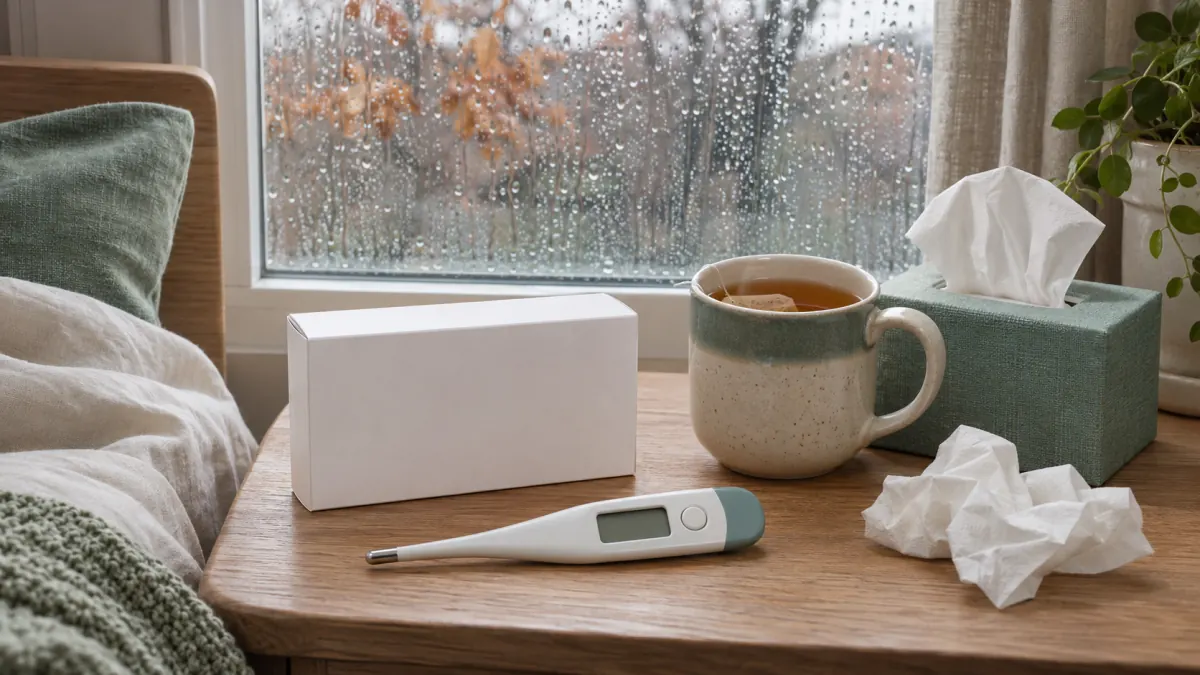
A scratchy throat, a stuffy nose and a temperature of 37.9 °C could belong to at least three different viruses, and on day one even an experienced clinician often cannot tell which. That uncertainty is the whole reason this question comes up so often at our front desk in late autumn. The good news is that you do not need a perfect label to make good decisions. You need to know roughly which bug is most likely, who in your household is at higher risk, which treatments are time-sensitive, and which symptoms mean you should stop guessing and get seen.
This guide walks through the differences between the common cold, influenza and COVID-19 as they tend to show up in Stouffville homes, along with practical advice on testing, rest, staying away from others, and getting help when it is needed.
Three viruses, overlapping symptoms
All three infections spread through respiratory droplets and smaller airborne particles, and all three are more common once people move indoors for the colder months. School classrooms, hockey arenas, offices and family gatherings give them plenty of chances to travel. Where they differ is in how fast they hit, how hard they hit, and who they hit hardest.
| Feature | Common cold | Influenza (flu) | COVID-19 |
|---|---|---|---|
| Onset | Gradual, over a day or two | Sudden, often within hours | Variable; can be gradual or quick |
| Fever | Uncommon in adults, mild if present | Common, often high (38.5 °C or more) | Common but not universal |
| Body aches | Mild | Often severe | Common, moderate |
| Fatigue | Mild | Marked, can last weeks | Can be marked and lingering |
| Runny or stuffy nose | Very common | Sometimes | Common with recent variants |
| Sore throat | Common, often the first sign | Sometimes | Common, sometimes very sore |
| Cough | Mild to moderate | Common, often dry | Common, can persist |
| Loss of taste or smell | Rare, mostly from congestion | Rare | Less common now, but still possible |
| Who is at higher risk of complications | Few people | Over 65, under 5, pregnancy, chronic illness | Over 65, chronic illness, weakened immunity |
Treat this table as a tendency, not a rule. Plenty of people with influenza have a mild illness, and plenty of people with COVID-19 feel as though they have a cold. Testing is the only way to know for sure, and even testing has limits, which we will get to.
The cold: annoying, rarely dangerous
Colds are caused by many different viruses, with rhinoviruses leading the pack. Adults typically catch two or three a year and young children catch more. Symptoms usually peak around days two to three and fade within a week to ten days, though a cough can hang on for a couple of weeks. Antibiotics do nothing for a cold, and there is no specific antiviral treatment. Rest, fluids, saline rinses, honey for cough in anyone over one year of age, and over-the-counter pain relievers when needed are the mainstays.
The flu: the one that knocks you flat
People who have had true influenza often describe the moment it started. One hour they were fine; the next they had chills, a pounding headache and muscles that ached from scalp to ankles. Fever can run for three to five days, and exhaustion can linger well beyond that. Influenza is also the virus most likely to lead to pneumonia, especially in older adults, young children, pregnant people and anyone with heart disease, lung disease, diabetes or a weakened immune system.
What makes flu different from a practical standpoint is that antiviral medication exists and works best when started within about 48 hours of symptoms beginning. For healthy younger adults with a mild illness, antivirals are usually not necessary. For people in higher-risk groups, or anyone who is quite unwell, an early assessment can make a real difference.
COVID-19: still around, still variable
COVID-19 has settled into a seasonal pattern alongside flu and RSV, but it remains unpredictable. Some people barely notice it; others are flattened for a week and tired for a month afterward. Older adults and people with certain chronic conditions or weakened immune systems are at higher risk of severe illness, and antiviral treatment may be appropriate for some of them if started within the first several days. Whether it applies to you depends on your age, health history and current medications, which is why a timely conversation with a clinician is worthwhile if you are in a higher-risk group.
Should you test, and what does the result mean?
Rapid antigen tests for COVID-19 are still useful, as long as you understand what they can and cannot tell you.
- A positive result is generally reliable. If the line shows up, assume you have COVID-19.
- A negative result early on is not the final word. Antigen tests are less sensitive in the first day or two. If you have symptoms and test negative, testing again 24 to 48 hours later improves accuracy.
- A negative COVID test does not rule out flu. Home flu tests are less widely used, and influenza is often diagnosed based on symptoms during a known flu season. If you are high risk and feel unwell quickly, it is the timing that matters more than the test.
- Check the expiry date. Many households in Stouffville still have boxes from previous years. Expired kits can give unreliable results.
Clinicians can arrange more specific testing when it will change what we do, for example in a person who may benefit from antiviral treatment, or when symptoms are unusual or severe.
Who should call early rather than wait it out
Most healthy adults and older children with a cold, mild flu or mild COVID-19 recover at home. Reach out early in the illness, ideally in the first day or two, if you or the person you are caring for:
- is 65 or older
- is pregnant or recently gave birth
- is a child under five, especially under two
- has asthma, COPD, heart disease, diabetes, kidney disease or a condition or medication that weakens the immune system
- lives in a long-term care or retirement setting
- has symptoms that are getting worse instead of better after day three or four
For these groups, the window for antiviral treatment is short. A phone or video visit through our virtual care service can often sort out whether treatment makes sense, and an in-person visit can follow if an examination is needed.
Caring for yourself at home
Whatever the virus, home care looks surprisingly similar:
- Rest properly. Pushing through a fever to get to a shift or a GO train rarely ends well and spreads the illness further.
- Drink regularly. Water, broth, oral rehydration solutions and warm drinks all count. Pale yellow urine is a reasonable target.
- Treat discomfort, not numbers. Acetaminophen or ibuprofen can help fever and aches; follow the package directions, check other cold products for hidden doses of the same ingredient, and ask a pharmacist if you take blood thinners or have kidney, stomach or liver issues.
- Humidify and rinse. A cool-mist humidifier and saline nasal spray can ease congestion during the dry indoor months.
- Keep the sick person in one room if possible. Open a window briefly when practical, wash hands often, and avoid sharing towels and cups.
- Mask around vulnerable people. If you must be near an infant, a grandparent or someone undergoing cancer treatment, a well-fitted mask lowers the risk.
Our team covers this kind of supportive care in more detail as part of our cold and flu treatment service, including advice on which over-the-counter products are worth buying and which are not.
Staying home: a reasonable rule of thumb
Ontario public health guidance has shifted over the years, so check current advice from York Region Public Health if your workplace or school asks. In general, stay home until your fever has been gone for at least 24 hours without fever-reducing medication and your other symptoms have been improving for a day or more. After you return, wearing a mask in shared indoor spaces for several more days is a considerate choice, particularly around older relatives.
Warning signs that need urgent care
Do not wait for a clinic appointment if you notice any of the following. Call 911 or go to the nearest emergency department, which for most of Stouffville means Markham Stouffville Hospital or Uxbridge Hospital:
- trouble breathing, rapid breathing, or lips or face turning blue or grey
- chest pain or pressure that does not settle
- confusion, unusual drowsiness or difficulty waking up
- a seizure
- signs of dehydration such as no urine for eight hours or more, very dry mouth or dizziness when standing
- in infants, poor feeding, very few wet diapers, or a fever of 38 °C or higher under three months of age
- symptoms that improve and then come back worse, with a new fever and a deeper cough, which can signal a secondary pneumonia
Lingering fatigue, a cough that will not quit after a few weeks, or shortness of breath on exertion after the acute illness has passed also deserve a follow-up visit, even if they are not emergencies. If you are unsure in the middle of the night, Health811 (dial 811) connects you with a registered nurse at any hour.
Prevention that fits a busy household
The single most effective step is still vaccination. Annual flu shots and updated COVID-19 vaccines are recommended for most people six months and older, and the two can usually be given at the same visit. We explain timing, eligibility and side effects in our posts on this season’s flu shots and on COVID-19 vaccines. Older adults and some other groups may also be eligible for RSV protection; ask at your next visit.
Beyond vaccines, the everyday measures still pull their weight: handwashing before meals and after school pickup, staying home when sick, covering coughs, and keeping a small kit at home before you need it. A working thermometer, a couple of unexpired rapid tests, acetaminophen or ibuprofen in the right strengths for each family member, saline spray, and honey can save a late-night drive to the pharmacy on Main Street in freezing rain.
Can I have the flu and COVID-19 at the same time?
Do I need antibiotics for a bad cold?
How long will the cough last?
When you would like a clinician’s opinion
If you are in a higher-risk group, feel worse rather than better, or simply want to know whether treatment would help, we are happy to take a look. You can book a same-day or scheduled visit, use our walk-in clinic during open hours, or arrange a virtual appointment if you are too unwell to come in. Hours can change around holidays and busy respiratory weeks, so please check the location and hours page before heading over, and wear a mask when you arrive with respiratory symptoms.
This post shares general health information for Stouffville families and is not a substitute for advice tailored to your own situation.