Colorectal Cancer Screening in Stouffville: FIT Kits, Colonoscopy and Who Needs What
Ontario screens most adults 50 to 74 for colorectal cancer with a simple at-home FIT kit. Here is who needs what, how often, and how to start in Stouffville.
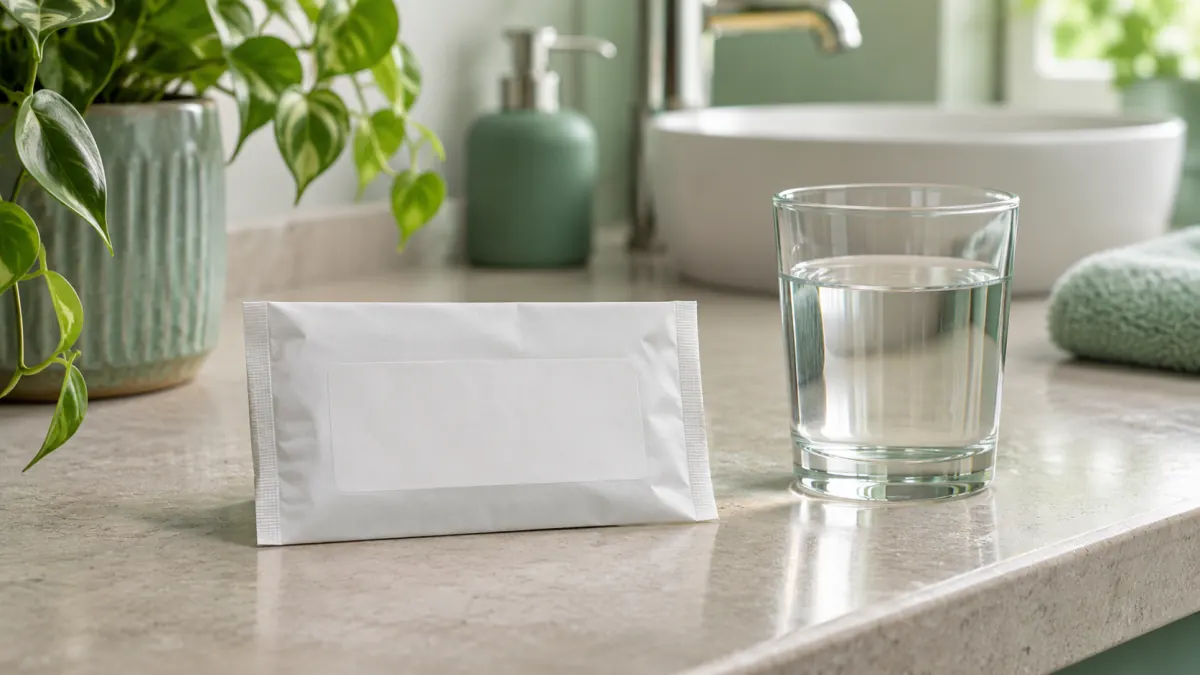
Myth: screening for colorectal cancer means booking a colonoscopy, fasting, drinking a jug of bowel prep and losing a day of work. Fact: for most adults in Ontario between 50 and 74, screening starts with a small kit you use in your own bathroom, seal in an envelope and drop in the mail. That gap between what people expect and what the test actually involves is one of the biggest reasons screening gets put off. This post walks through how colorectal screening works in Ontario, who should use which test, what an abnormal result really means, and how patients in Stouffville can get started.
Why screening matters for a cancer you can’t feel
Colorectal cancer (cancer of the colon or rectum) is one of the most commonly diagnosed cancers in Canada. Most cases begin as a polyp, a small growth on the inner lining of the bowel. Many polyps never become dangerous, but some slowly change over a period of years. That slow timeline is exactly what makes screening so useful: there is a long window in which a growth can be found and removed before it ever becomes cancer, or caught at an early stage when treatment works best.
The catch is that early colorectal cancer usually causes no symptoms. People feel completely well. By the time there is obvious bleeding, a change in bowel habits or weight loss, the disease may be more advanced. Screening is designed for people who feel fine, which is why “I don’t have any problems down there” is not a reason to skip it.
The two main tests, side by side
Ontario’s organized screening program relies on two tools. Which one you are offered depends mostly on your risk level, not on personal preference.
| FIT (fecal immunochemical test) | Colonoscopy | |
|---|---|---|
| What it is | A home test that checks a small stool sample for tiny amounts of human blood | A camera exam of the entire colon done by a specialist |
| Who it is for | Most people 50 to 74 at average risk | People at higher risk, or anyone with an abnormal FIT |
| Preparation | No diet changes or medication changes for the test itself | Bowel prep the day before; sedation is common |
| Where it happens | At home | In a hospital or endoscopy clinic |
| How often | Typically every two years if normal | Interval set by the specialist based on findings |
| Can it remove polyps? | No, it only flags that follow-up is needed | Yes, polyps can often be removed during the procedure |
How the FIT works
The FIT detects human blood that is invisible to the eye. Cancers and some larger polyps can bleed small amounts, intermittently, into the stool. A single sample is collected with a little brush or probe attached to the cap of a collection tube, then the tube is sealed, labelled and mailed or dropped off as the instructions describe.
Unlike older stool tests, the FIT reacts specifically to human blood, so you generally do not need to avoid red meat, certain vegetables or vitamin C beforehand. Read the instructions that come with your kit, though, because details such as how quickly to mail it after collection matter.
A few practical points that make the process easier:
- Check that your name, date of birth and collection date are filled in exactly as requested. Unlabelled or incomplete samples may be rejected and you will need to repeat it.
- Collect from the stool itself, not from toilet water or paper. Many people lay a sheet of toilet paper or a clean disposable container across the water first.
- If you are having a menstrual period, or have actively bleeding hemorrhoids, it is usually best to wait until that has settled so the result is not confused.
- Mail or drop off the sample promptly. Samples sitting in a warm car or a cold mailbox for days may not be usable.
- Keep track of when you did it. If you have not heard anything after several weeks, ask.
When colonoscopy is the better first step
Colonoscopy is more involved, but it looks directly at the whole colon and allows polyps to be removed or sampled during the same procedure. It is generally the recommended screening test for people at increased risk, including:
- People with a parent, sibling or child (a first-degree relative) who has been diagnosed with colorectal cancer. In Ontario, these individuals are usually advised to start colonoscopy screening at age 50, or 10 years before the age at which their relative was diagnosed, whichever comes first.
- People with certain inherited syndromes that raise colorectal cancer risk, such as Lynch syndrome or familial adenomatous polyposis.
- People with a personal history of inflammatory bowel disease (Crohn’s disease or ulcerative colitis) affecting the colon, or a past history of certain polyps or colorectal cancer. These patients usually already have surveillance plans through a specialist.
If you aren’t sure which group you fall into, that is a perfectly good reason to book a visit. Family history is easy to get wrong. “My uncle had stomach cancer” and “my mother had colon cancer at 52” mean very different things for your screening plan, and it is worth sorting out with a clinician rather than guessing.
What an abnormal FIT result actually means
An abnormal or “positive” FIT means blood was found in the sample above a set threshold. It does not mean you have cancer. Most people with an abnormal FIT turn out not to have cancer; common explanations include polyps, hemorrhoids, small tears, or inflammation. However, an abnormal result does mean you need a colonoscopy to find out why, and that colonoscopy should not be delayed.
Two things people sometimes do after an abnormal FIT are worth avoiding:
- Repeating the FIT hoping for a normal result. A second normal test does not cancel out the first abnormal one. Blood can be present one day and absent the next. The appropriate next step is colonoscopy.
- Assuming hemorrhoids explain it. Hemorrhoids are common and can bleed, but they can also sit alongside a polyp higher up. Only a colonoscopy can tell the difference.
Your primary care provider is usually the one who receives the result and arranges a specialist referral for colonoscopy. If you get a letter or a call about an abnormal FIT, follow up promptly, and if you have not heard about a colonoscopy appointment within a few weeks, call to check on the referral.
Symptoms are a different conversation
Screening is for people without symptoms. If you have symptoms, the FIT is not the right tool, and you should see a clinician for assessment rather than waiting for a kit. Book a visit if you notice:
- Blood in or on the stool, or black, tarry stools
- A lasting change in bowel habits (new constipation, diarrhea or narrower stools) for more than a few weeks
- Unexplained weight loss
- Ongoing abdominal pain or bloating that is new for you
- Unusual tiredness, especially if blood work shows low iron or anemia
These symptoms have many possible causes, most of them not cancer. Still, they deserve proper investigation, which may include a physical exam, laboratory testing and a referral for colonoscopy or imaging. If iron deficiency has come up in your blood work, our post on iron deficiency and fatigue explains why doctors often look at the bowel as a possible source in adults.
When to go to the emergency department
Go to the nearest emergency department, such as Markham Stouffville Hospital or Uxbridge Hospital, or call 911 if you have:
- Heavy rectal bleeding or passing large clots
- Black stool with dizziness, fainting or a racing heart
- Severe abdominal pain, especially with a swollen, hard belly
- Vomiting with no bowel movements or gas, which can suggest a blockage
Age, timing and the “every two years” rhythm
For average-risk adults, Ontario’s program generally recommends a FIT every two years from age 50 to 74. A few details are worth knowing:
- Under 50: Routine screening is not generally recommended for average-risk people under 50 in Ontario, but anyone younger with symptoms or a strong family history should talk to a clinician. Colorectal cancer in younger adults is less common, but it does happen, and symptoms should never be dismissed because of age.
- Over 74: Whether to continue screening becomes an individual decision based on overall health, past results and personal preference. It is worth discussing at a regular checkup.
- After a normal colonoscopy: If you have had a normal colonoscopy, you typically do not need a FIT for a number of years. The specialist’s report usually states when you should next be checked.
Ontario’s program may also mail invitation and reminder letters to eligible people. If you receive one and you have a primary care provider, you can usually get a kit through them. Ontario’s official screening information is available at ontario.ca, which is a good place to confirm current eligibility details.
Common hesitations, honestly answered
People put off screening for very ordinary reasons, and none of them are silly. A few that come up often:
“It’s a bit gross.” Fair enough. But the FIT takes a few minutes, uses a single small sample, and the collection tube is sealed. Most people say the anticipation was worse than the task.
“I feel perfectly healthy.” That is the point of screening. The goal is to find problems in people who feel well, before symptoms show up.
“Nobody in my family had it.” Most people diagnosed with colorectal cancer do not have a family history. Age is the biggest risk factor for most people.
“I’m worried about what they’ll find.” That worry is understandable. It may help to know that most abnormal FIT results are not cancer, and that when cancer is found through screening, it is more often at an earlier stage.
“I don’t have a family doctor.” This is a real barrier for many people who have recently moved to Stouffville or whose doctor has retired. Our family doctor page explains how registration is reviewed at our clinic, and in the meantime a clinic visit can still be a starting point for questions about screening.
Lifestyle steps that lower risk
Screening is the single most effective tool, but everyday habits also influence colorectal cancer risk. Evidence supports:
- Staying physically active. Regular walking counts; the trails around the Stouffville Reservoir and Memorial Park area are an easy place to start.
- Eating plenty of fibre from vegetables, fruit, legumes and whole grains.
- Limiting red meat and especially processed meats such as bacon, ham, deli meats and sausages.
- Limiting alcohol.
- Not smoking.
- Maintaining a healthy weight, particularly around the waist.
None of these replace screening, and people who do everything “right” can still develop polyps. Think of habits and screening as working side by side.
Does the FIT need to be done if I had a colonoscopy a few years ago?
Is colorectal screening covered by OHIP?
Can I just buy a stool test at the pharmacy?
Getting screened with HealthSmart
If you are between 50 and 74 and can’t remember your last FIT, or you have a family history and aren’t sure whether you should be having colonoscopies instead, a short visit can sort it out. Our clinicians can review your history, arrange a kit or referral where appropriate, and fold screening into a broader preventive checkup. You can book an appointment online, or find directions and current hours on our location page, since hours may change. We are at 208-5892 Main Street in Stouffville, and you can reach us at 905-642-6300.
This post offers general health information for Stouffville readers and is not a substitute for advice from your own clinician.