Concussion Care in Stouffville: Recognizing, Resting and Returning
No blackout doesn't mean no concussion. Warning signs, the gradual return to school and sport, and Rowan's Law basics for Stouffville athletes and parents.
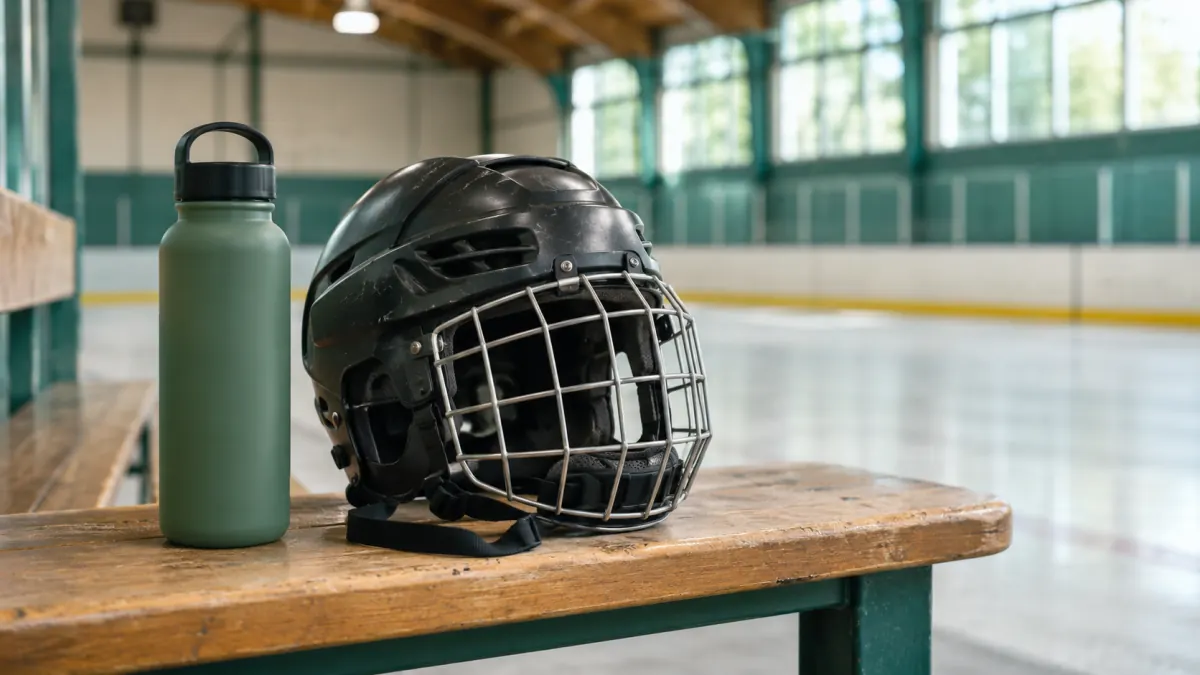
You don’t have to be knocked out to have a concussion. In fact, most concussions happen without any loss of consciousness at all. A player takes a hit along the boards, shakes it off, finishes the shift, and only later complains of a headache, feeling foggy, or being bothered by the arena lights. A teenager falls off a bike, seems fine at dinner, and can’t concentrate at school the next morning. An adult slips on ice in a parking lot and spends the next week feeling oddly irritable and tired.
Concussions are common in a sports-loving community like ours, from hockey and lacrosse at local arenas to soccer fields, ski hills and trampolines in Stouffville backyards. They also happen outside sport, through falls, car collisions and everyday accidents. Knowing how to spot one, what recovery looks like, and how to return safely to school, work and sport can make a real difference to how quickly someone gets back to normal.
What a concussion actually is
A concussion is a brain injury caused by a blow to the head, face or neck, or a hit elsewhere on the body that sends a sudden jolt to the head. The brain moves inside the skull, and that movement temporarily disrupts how brain cells work. It’s a functional injury rather than a structural one, which is why a CT scan or MRI is usually normal. Imaging is used to rule out bleeding or a skull fracture when there are warning signs, not to diagnose the concussion itself.
The diagnosis is clinical: a health care provider puts together the story of the injury, the symptoms, and an examination of things like balance, memory, eye movements and neck function.
Signs and symptoms
Symptoms can appear right away or develop over the next few hours to days. They’re often grouped into four areas.
| Area | Common symptoms |
|---|---|
| Physical | Headache, pressure in the head, dizziness, nausea or vomiting, balance problems, blurred vision, sensitivity to light or noise, fatigue |
| Thinking | Feeling foggy or slowed down, trouble concentrating, difficulty remembering, confusion |
| Emotional | Irritability, sadness, nervousness or anxiety, being more emotional than usual |
| Sleep | Sleeping more or less than usual, trouble falling asleep |
Things a coach, teammate or parent might notice include a dazed or blank look, slow responses to questions, clutching the head, stumbling, or not knowing the score or the period.
Young children may not be able to describe how they feel. Watch instead for crankiness, changes in play, a loss of interest in favourite toys, changes in eating or sleeping, or losing a recently learned skill such as toilet training.
When it’s an emergency
Some head injuries are more serious than a concussion. Call 911 or go to the nearest emergency department right away if, after a head injury, someone has:
- Neck pain or tenderness
- Double vision
- Weakness, tingling or burning in the arms or legs
- A severe or steadily worsening headache
- A seizure or convulsion
- Loss of consciousness, even briefly
- Increasing drowsiness, or being difficult to wake
- Repeated vomiting
- Increasing confusion, restlessness, agitation or combative behaviour
- Slurred speech or unequal pupils
If a neck injury is possible, don’t move the person; call 911. People who take blood thinners and older adults deserve a lower threshold for emergency assessment, even after a seemingly minor bump, because the risk of bleeding is higher. The closest emergency departments for most Stouffville residents are at Markham Stouffville Hospital and Uxbridge Hospital.
The first 48 hours
If there are no red flags, the first step is to remove the person from the activity immediately. The old phrase still holds: when in doubt, sit them out. No one with a suspected concussion should return to play the same day, even if they say they feel fine. A second hit before the brain has recovered can make symptoms much worse and, in rare cases, cause dangerous swelling.
For the first day or two:
- Have someone stay with them for the first few hours to watch for worsening symptoms.
- Rest relatively, not completely. Current Canadian guidance has moved away from days in a dark room. A short period of rest (about 24 to 48 hours) followed by gentle activity, such as a short walk, generally helps recovery.
- Limit screens for the first 48 hours, as phones, gaming and computers can aggravate symptoms.
- No driving until cleared, as reaction time may be affected.
- Avoid alcohol and recreational drugs.
- For headaches, acetaminophen is often suggested early on. Ask a doctor or pharmacist before taking ibuprofen or similar medicines in the first day or two.
Waking someone up through the night isn’t routinely needed unless a health care provider advises it, but anyone who becomes hard to rouse needs emergency care.
Getting assessed
Everyone with a suspected concussion should be assessed by a doctor or nurse practitioner. This confirms the diagnosis, rules out more serious injury, and starts a recovery plan. Bring along anyone who saw the injury, or notes about what happened: how the hit occurred, whether they lost consciousness, and which symptoms appeared and when.
At HealthSmart, a medical assessment for a head injury includes a symptom review and a focused neurological exam. If you need a clearance letter for a team or league later, let us know; some of these letters may not be covered by OHIP, so ask when booking.
Recovery: return to learn and return to sport
Most children, teens and adults recover within about four weeks, many of them sooner. Recovery follows a stepwise approach, and in Canada the usual recommendation is that students get back to full school attendance before returning to full-contact sport.
Return to school
- Daily activities at home that don’t worsen symptoms, like reading or light chores, in short blocks.
- School-type work at home, such as homework or reading, building up time gradually.
- Part-time return to school, often with accommodations: rest breaks, reduced workload, extra time on assignments, a quiet place to work, and postponed tests.
- Full-time school, gradually reducing accommodations until the student is back to their usual workload.
A mild, brief increase in symptoms during an activity is acceptable. If symptoms flare significantly, pull back to the previous level for a while. Teachers and school staff are usually well versed in this process.
Return to sport
Return to sport follows a parallel set of steps, each typically lasting at least 24 hours:
- Symptom-limited activity, such as walking around the house
- Light aerobic exercise, like walking or a stationary bike
- Sport-specific drills on the ice, field or court, with no contact
- Harder non-contact training drills, which may include light resistance training
- Full-contact practice, only after medical clearance
- Return to game play
If symptoms return at any step, drop back to the previous one. The jump to contact practice is the key checkpoint: a doctor or nurse practitioner should confirm that it’s safe. That’s the moment many families book a follow-up visit.
Rowan’s Law and Ontario sport
Ontario passed Rowan’s Law in 2018, named after Rowan Stringer, a young Ottawa rugby player who died after sustaining multiple concussions. The law sets out concussion safety requirements for school boards and sport organizations across the province. In general terms, it requires that athletes, parents, coaches and officials review concussion awareness information, that organizations have a concussion code of conduct, and that there are clear protocols for removing a player suspected of a concussion and for a gradual, medically supervised return.
In practice, this means your child’s school and local Stouffville sport associations should already have a removal-from-sport and return-to-sport process. Ask your coach or league for theirs, and you can read more about the law on ontario.ca. If your young athlete is starting a new season, our post on sports physicals explains how pre-season checkups cover concussion history.
Persistent symptoms
For some people, symptoms last longer than four weeks. This is more likely in those who have had previous concussions, a history of migraines, anxiety or depression, learning difficulties, or a very high symptom load early on. Persistent symptoms don’t mean permanent damage, but they deserve a closer look.
A doctor may suggest:
- A structured, gradually increasing exercise program, which has good evidence behind it
- Support for sleep, headaches or mood
- Physiotherapy for neck-related symptoms or dizziness
- Vision or vestibular (balance) therapy
- A specialist referral to a concussion clinic, neurologist or sports medicine physician
Adults with demanding jobs, including Stouffville GO line commuters facing long screen-filled days, may need a gradual return to work too. Workplace accommodations, such as reduced hours or fewer screen-heavy tasks at first, can help.
Lowering the risk
Not every concussion can be prevented, but you can tilt the odds:
- Wear a properly fitted, certified helmet for hockey, skiing, snowboarding, cycling and skating, and replace it after a significant impact or as the manufacturer recommends.
- Teach and follow fair-play rules; most leagues penalize hits to the head for good reason.
- Strengthen neck muscles as part of an age-appropriate training program for older athletes.
- Use winter boots with good tread and keep entryways clear of ice.
- At home, use safety gates for toddlers and supervise trampoline use, one jumper at a time.
Helmets protect against skull fractures and serious brain bleeds, though no helmet fully prevents concussion.
Should my child have a CT scan after a hit to the head?
Is a doctor's note needed before returning to contact sport?
Booking a concussion check
If you or your child has had a head injury and there are no emergency warning signs, our team can assess symptoms, explain the recovery plan and help with clearance when the time comes. Teens can also be seen as part of adolescent health care. You can book online or see whether a family doctor at our Stouffville clinic is the right longer-term fit. Our hours may change, so the location page is the best place to check before you visit.
This information is general in nature and should not take the place of individual advice from a doctor who has examined you or your child.