Constipation in Stouffville: Causes, Fixes and When to See a Doctor
Hard stools, straining or going less often than usual? Stouffville adults and parents can find realistic fixes here, plus the warning signs that need a doctor.
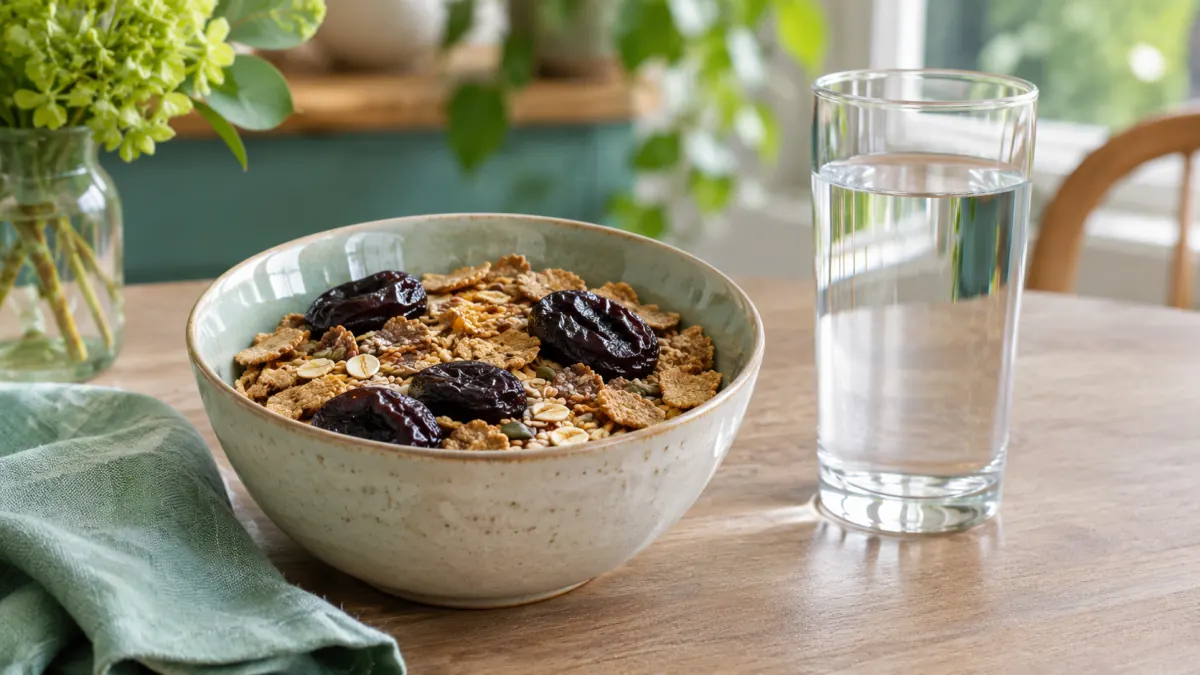
Four quick answers before the details:
- You do not need to go every day. Anywhere from three times a day to three times a week can be normal.
- Fibre works best with fluid. Adding bran without adding water can make things worse.
- Laxatives are not all the same, and the right one depends on the type of constipation you have.
- A sudden change in bowel habits after age 50, blood in the stool or unexplained weight loss should always be checked, even if constipation seems like the obvious explanation.
Constipation is one of the most common digestive complaints in Canada and one of the least talked about. People put up with it for months, quietly experimenting with prune juice and drugstore remedies, because the subject feels too embarrassing to raise. It should not be. Late winter is a classic time for it to creep in: shorter walks on icy sidewalks, heavier comfort food, less water when nobody feels thirsty, and plenty of time sitting indoors. This guide explains what is really going on in a constipated bowel, how to fix it at home, how to help children, and when to involve a doctor.
What counts as constipation
Doctors use the word to describe a pattern, not a single bad day. You may be constipated if you regularly have two or more of the following:
- fewer than three bowel movements a week
- hard, dry or lumpy stools
- straining
- a feeling that you have not fully emptied
- a sense of blockage at the bottom
- needing to use your fingers or press around the area to help stool pass
Occasional constipation, lasting a few days, is extremely common and usually tied to something obvious: travel, illness, a change in routine or a new medication. Chronic constipation lasts for weeks to months.
What slows the bowel down
The large bowel’s job is to absorb water from digested food and move the remaining waste along. The slower things move, the more water gets pulled out and the harder the stool becomes. Common reasons for slowing include:
- Low fibre intake. Most Canadian adults eat well below the recommended amount.
- Not drinking enough, especially in winter or during illness.
- Inactivity, including desk work, long commutes and recovery from injury or surgery.
- Ignoring the urge. Holding it in because you are busy, travelling, or uncomfortable using a public or workplace washroom.
- Medications. Opioid pain relievers, iron supplements, calcium supplements, some antacids, certain antidepressants, some blood pressure medicines, and antihistamines are frequent culprits.
- Pregnancy, due to hormonal changes and pressure from the uterus.
- Medical conditions such as an underactive thyroid, diabetes, Parkinson’s disease, irritable bowel syndrome, and pelvic floor problems.
- Aging, which tends to slow bowel movement and often comes with more medications and less activity.
Pelvic floor dysfunction
Some people have plenty of stool in the rectum but cannot get it out efficiently, because the pelvic floor muscles tighten instead of relaxing when they push. Clues include prolonged straining even with soft stool, needing to press around the anus or vagina to pass stool, and a feeling of blockage. This type responds poorly to laxatives alone but often improves with pelvic floor physiotherapy and biofeedback.
Red flags: do not self-treat these
Book a doctor’s visit promptly if constipation comes with any of the following:
- blood in or on the stool, or black, tarry stools
- unexplained weight loss
- a new, persistent change in bowel habits, especially after age 50
- a family history of colorectal cancer or inflammatory bowel disease
- iron deficiency anemia
- constipation that does not respond to sensible home measures after two to three weeks
- severe or worsening abdominal pain
Go to the emergency department or call 911 if you have severe abdominal pain with a swollen belly, vomiting (especially if it looks like stool), and an inability to pass gas or stool. This can signal a bowel obstruction. Markham Stouffville Hospital and Uxbridge Hospital are the closest emergency departments to most Stouffville neighbourhoods.
Adults 50 to 74 at average risk should also stay up to date with bowel cancer screening regardless of symptoms; our guide to colorectal cancer screening explains the options available in Ontario.
A step-by-step plan for adults
Most chronic constipation improves with a stepwise approach. Give each step a week or two before adding the next.
Step 1: Fibre, gradually
Aim to reach about 25 grams a day for women and 38 grams for men, increasing slowly over two to three weeks to limit gas and bloating.
| Food | Approximate fibre |
|---|---|
| Half a cup of high-fibre bran cereal | 10 to 14 grams |
| Five prunes | about 3 grams, plus natural sorbitol that softens stool |
| One cup of cooked lentils or black beans | 13 to 15 grams |
| One medium pear with skin | about 5 to 6 grams |
| Two tablespoons of ground flaxseed | about 4 grams |
| One cup of cooked broccoli | about 5 grams |
Labels vary, so treat these as rough guides. A psyllium-based fibre supplement is a reasonable option if food changes are not enough.
Step 2: Fluids alongside fibre
Water, milk, herbal tea and soup all count. Spread your intake through the day. A warm drink first thing in the morning can trigger the natural reflex that moves the bowel.
Step 3: Move your body
A brisk 20 to 30 minute walk most days helps the bowel move. On icy days, an indoor walk at a mall, laps at the Leisure Centre, or a few rounds of stairs at home will do.
Step 4: Use the gastrocolic reflex
Your bowel is most active after meals, especially breakfast. Sit on the toilet for a few unhurried minutes 15 to 30 minutes after eating, even if you do not feel a strong urge.
Step 5: Get your position right
Raising your knees above your hips with a small footstool straightens the angle of the rectum and makes passing stool easier. Lean forward slightly, rest your elbows on your knees and breathe out rather than holding your breath and pushing hard.
Step 6: Add a laxative if needed
Over-the-counter options fall into a few groups:
- Bulk-forming agents such as psyllium, which add fibre and need extra fluid.
- Osmotic laxatives such as polyethylene glycol (PEG) or lactulose, which draw water into the bowel. PEG is often a first choice because it is gentle and well studied.
- Stimulant laxatives such as senna or bisacodyl, which make the bowel contract. Useful for short periods or occasional use.
- Stool softeners such as docusate, which have limited evidence on their own.
Ask a pharmacist or clinician if you are pregnant, take several medications, have kidney or heart disease, or are thinking of using laxatives regularly.
Constipation in children
Children get constipated often, especially during toilet training, after starting school, or after a painful bowel movement makes them afraid to go again. That fear can create a cycle: holding in stool makes it harder and larger, which makes the next trip more painful.
Signs to watch for include fewer bowel movements, large or hard stools that may block the toilet, tummy aches, withholding behaviours such as crossing legs or hiding, and soiling in underwear, which is often liquid stool leaking around a hard mass rather than an accident.
Helpful steps:
- Offer water and fibre-rich foods like fruit, vegetables, beans and whole grains.
- Build in relaxed toilet sitting after meals with a footstool for little legs.
- Praise effort, never punish soiling.
- Avoid giving adult laxatives or enemas without medical advice.
- Book a visit for constipation in infants, children who are in pain, or any child with vomiting, a swollen belly, blood in the stool or poor growth.
Children’s bowel concerns are a regular part of our children’s health services, and treating constipation early tends to make the cycle much easier to break.
What a doctor can do
At a visit for persistent constipation, expect questions about your bowel pattern, diet, fluids, activity, medications and any red-flag symptoms, followed by an abdominal examination and sometimes a rectal exam. Depending on your age and history, the clinician may order blood work for thyroid function, blood count, calcium and blood sugar through our laboratory testing referrals. A colonoscopy or imaging is considered when red flags are present or symptoms are unusual.
Treatment may include adjusting medications that are contributing, a structured laxative plan, prescription options when over-the-counter products have not worked, pelvic floor physiotherapy, or a referral to a specialist. If constipation alternates with diarrhea and comes with pain or bloating, irritable bowel syndrome may be part of the picture; our article on IBS explains how it is diagnosed.
Is it harmful to use laxatives every day?
Do prunes really work?
Next steps for a sluggish bowel
If home measures are not working, or you have noticed any of the warning signs above, our clinicians in Stouffville can help you get to the bottom of it, so to speak. Schedule an appointment or ask about our gastrointestinal illness care. Nothing you describe will surprise us.
This article provides general information about constipation and is not a substitute for personal medical advice.