Breathing Easier With COPD Through the Cold Months in Stouffville
Cold, dry air and winter viruses can make COPD harder to manage. Practical steps for Stouffville patients to stay active, prepared and safer until spring.
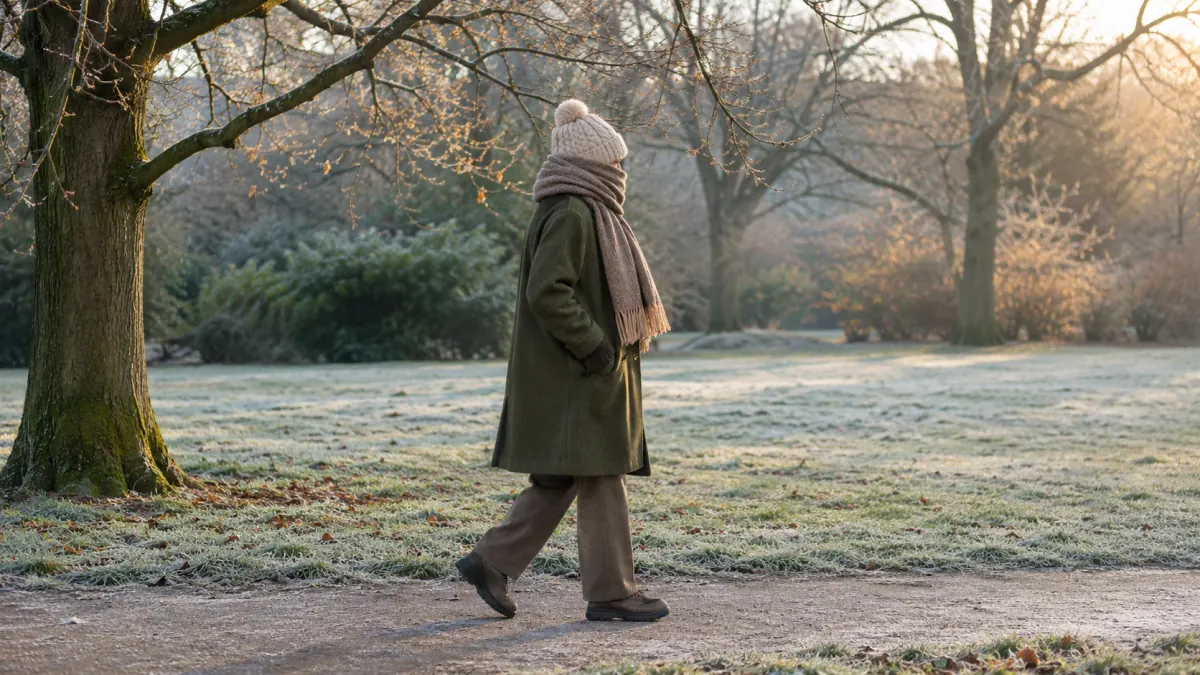
Picture a still morning in late November. The grass along the path near Memorial Park is white with frost, the air smells sharp and clean, and a neighbour in a wool scarf is out for the short walk their doctor recommended. Halfway around, they stop, lean on a bench, and wait for their breathing to settle. For many people living with chronic obstructive pulmonary disease (COPD), that pause is familiar. Cold air, shorter days and the steady arrival of winter viruses all put extra demands on lungs that are already working hard. The good news is that a winter plan, built ahead of time, makes a real difference.
This article walks through why the cold months are tougher with COPD, what you can do day to day, how to recognize a flare-up early, and when a symptom means you should head to an emergency department instead of waiting.
Why winter is harder on lungs with COPD
COPD is an umbrella term that includes chronic bronchitis and emphysema. In both, the airways are narrowed or the small air sacs are damaged, so moving air in and out takes more effort. Several things about an Ontario winter add to that load.
Cold, dry air irritates the airways
When you breathe in very cold air, the airways can react by tightening. Dry winter air, both outdoors and inside homes heated by forced air, can also thicken mucus and make it harder to clear. Many people notice more coughing and a tighter chest on the first truly cold days of the season.
Respiratory viruses circulate more
Influenza, COVID-19, RSV and the common cold all spread more easily when people spend time indoors together. For someone with COPD, a virus that gives a healthy neighbour a few days of sniffles can trigger a flare-up (often called an exacerbation) that lasts weeks and sometimes leads to a hospital stay.
Less activity, more deconditioning
Icy sidewalks and early sunsets push many people in Stouffville indoors from November through March. Over a few months, less walking means weaker leg and breathing muscles, and weaker muscles make everyday tasks feel more breathless. It becomes a cycle that is worth interrupting on purpose.
Indoor air can be part of the picture
Wood stoves, fireplaces, strong cleaning products, scented candles and second-hand smoke all concentrate indoors when the windows stay shut. None of these is unusual in a Stouffville home, from older houses near Main Street to newer builds on the town’s edges, but each can irritate sensitive airways.
Build your winter plan before the first deep freeze
The best time to prepare is in the fall, while you are feeling relatively well. A short checklist can help you organize the conversation with your family doctor or a clinician during a chronic disease follow-up visit.
- Review your inhalers. Make sure you know which inhaler is for daily maintenance and which is for quick relief. Ask the clinician or your pharmacist to watch your technique; small errors are very common and can mean much of the medicine never reaches the lungs.
- Check your supply. Confirm you have enough of every medication to get through a storm or a stretch of illness. Running out on a holiday weekend is stressful and avoidable.
- Ask about a written action plan. Many people with COPD benefit from a simple written plan that describes their usual symptoms, what a flare-up looks like for them, and what to do at each stage. Some plans include instructions on when to start a prescribed rescue medication; that decision is individual and should only be made with your prescriber.
- Get your vaccines up to date. Seasonal flu shots are recommended for people with chronic lung disease. Ask about COVID-19 vaccination, pneumococcal vaccine, and whether an RSV vaccine is recommended for your age and health situation.
- Book spirometry or other testing if it is due. Your clinician may suggest breathing tests or other investigations to see how your lungs are doing compared with previous years.
- Talk about smoking or vaping. If you still smoke, stopping remains the single most effective step for slowing COPD. It is never too late, and support is available.
Day-to-day habits that help in the cold
Cover your mouth and nose outdoors
A loose scarf or a cold-weather mask over your mouth and nose warms and moistens the air before it reaches your lungs. Breathing through your nose, when you can, does a similar job. People often find this one small habit makes the walk from the car to the grocery store on Main Street noticeably easier.
Plan outings around the weather
On very cold or windy days, consider shifting errands to the warmest part of the afternoon or postponing non-essential trips. Keep your quick-relief inhaler in an inside pocket rather than in the car, where extreme cold may affect how it works. Some people find it helpful to use their reliever a short while before going out, but follow the instructions you have been given rather than starting a new routine on your own.
Keep moving indoors
Staying active is one of the most valuable things you can do for COPD. When trails are icy, try walking laps in a shopping centre, using a stationary bike, or doing seated exercises at home. Some community centres, including the Whitchurch-Stouffville Leisure Centre, have indoor spaces and programs that may suit you; check directly with the facility about what is available. Pulmonary rehabilitation programs, which combine supervised exercise with education, are strongly supported by research for people with COPD. Ask whether a referral makes sense for you.
Practise breathing techniques
Two techniques are commonly taught to people with COPD:
- Pursed-lip breathing: breathe in gently through the nose, then breathe out slowly through lips shaped as if you were about to whistle, taking roughly twice as long to breathe out as to breathe in. This helps keep the airways open and slows your breathing.
- Paced breathing during activity: match your breaths to your steps, for example breathing in for two steps and out for four, especially on stairs or slopes.
Look after the air at home
- Keep indoor humidity comfortable, roughly in the 30 to 50 percent range. Too dry irritates; too damp encourages mould.
- Change furnace filters as recommended by the manufacturer.
- Avoid smoking indoors and ask visitors to do the same.
- If you use a wood stove or fireplace, make sure it is well maintained and vented, and consider whether it bothers your breathing.
- Choose unscented cleaning products when possible.
Shovelling snow
Shovelling is heavy, cold, breathless work. If you have moderate or severe COPD, it may be wise to ask a family member, neighbour or snow-removal service to help. If you do shovel, take small loads, rest often and stop if you feel unusually short of breath, dizzy or have chest discomfort.
Recognizing a flare-up early
A COPD flare-up is a change from your usual baseline that lasts more than a day or two. Catching it early often means it can be managed at home with your clinician’s guidance. Watch for:
| Sign | What it might look like |
|---|---|
| More breathlessness | Getting winded doing things that are normally manageable, like dressing or climbing your usual stairs |
| More coughing | Coughing more often or more forcefully than your normal pattern |
| Change in mucus | More phlegm than usual, or a change in colour to yellow, green or brown |
| Using your reliever more | Needing your quick-relief inhaler noticeably more often than usual |
| New wheeze or chest tightness | A whistling sound or tight feeling that is new or worse |
| Fever or cold symptoms | Signs that a virus may be setting off the flare-up |
If you notice these changes, follow your action plan and contact your clinic promptly. A same-day visit or a virtual care appointment may be appropriate for a mild change, depending on how you feel and the clinician’s judgment. The earlier you reach out, the more options there usually are.
When to call 911 or go to the emergency department
Some symptoms should not wait for a clinic appointment. Call 911 or go to the nearest emergency department, such as Markham Stouffville Hospital or Uxbridge Hospital, if you have:
- Severe shortness of breath that is not improving with your usual reliever
- Difficulty speaking in full sentences because of breathlessness
- Blue or grey lips or fingertips
- Confusion, unusual drowsiness or difficulty staying awake
- Chest pain or pressure
- A very fast heartbeat, or feeling as though you might pass out
- Coughing up blood
If you use home oxygen and your oxygen levels are lower than the range your care team has given you, follow their instructions and seek urgent care if levels do not recover. When you are unsure whether something is serious, you can also call Health811 by dialling 811 to speak with a registered nurse, any time of day.
A word for family members and caregivers
People with COPD sometimes downplay how they are feeling, especially when they do not want to be a bother. If you live with or care for someone with COPD, it helps to know their action plan, where their inhalers are kept and what their “normal” looks like. Small changes, like a shorter walk than usual, eating less, or sleeping propped up on more pillows, can be early clues. Offering to drive to appointments in bad weather or picking up prescriptions can also take a real burden off.
Caregivers should keep their own vaccines current too. Protecting yourself from influenza and COVID-19 reduces the chance of passing a virus to someone whose lungs are vulnerable.
Common questions about COPD in winter
Is it safe to exercise outside in the cold with COPD?
Do I need a flu shot every year if I have COPD?
Should I keep antibiotics or steroids at home just in case?
Getting COPD support at HealthSmart in Stouffville
If you live in Stouffville or nearby communities like Ballantrae, Gormley or Musselman’s Lake, our team can help you review your inhalers, update your vaccinations and put a practical winter plan on paper. Learn more about our COPD management services, or book an appointment to get started. Clinic hours can change with the season, so please check our location page before you visit.
The information in this article is general and is not a replacement for advice from your own health care provider.