Driver's Medical Exams in Stouffville: What to Expect
Need an Ontario driver's medical report? What the exam covers, who needs one, what to bring, and how Stouffville commercial and senior drivers can prepare well.
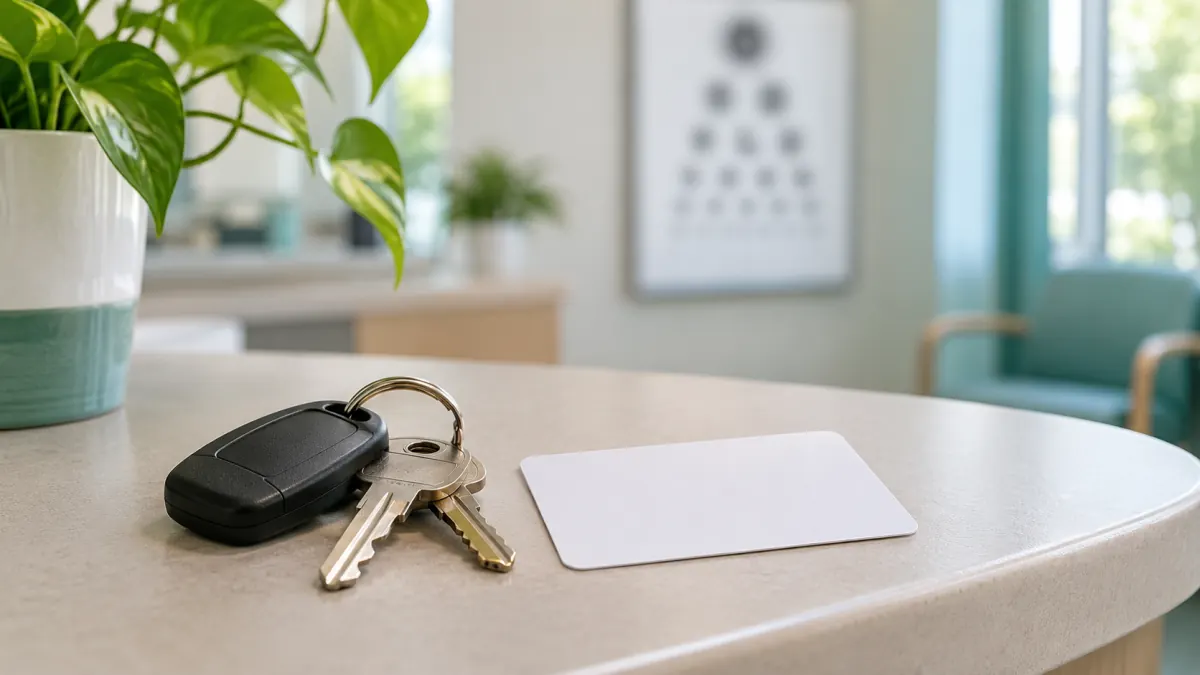
Two very different people tend to call us about driver’s medicals. The first is someone starting or continuing a career behind the wheel: a truck driver, a school bus operator, a delivery driver upgrading their licence class. For them the medical is a predictable, recurring part of the job. The second is someone who has just opened a letter from Ontario’s Ministry of Transportation asking for medical information, often unexpectedly, and is worried about what it means for their independence. In a place like Stouffville, where so much of daily life, from the grocery run to the drive out to Ballantrae or Goodwood, depends on a car, that letter can feel like a big deal.
This guide covers both situations. It explains why the Ministry asks for medical reports, what the exam involves, how to prepare, and what happens afterward.
Why Ontario asks for driver’s medical information
Driving safely depends on being able to see clearly, react quickly, make sound judgments and control a vehicle. Certain medical conditions, and some medications, can affect those abilities, sometimes without the driver noticing. Ontario’s Ministry of Transportation (MTO) uses medical reports to decide whether a person meets the medical standards for the class of licence they hold or want.
The goal is not to take licences away. For most drivers, the medical simply confirms that they are fit to drive. When a concern does come up, it is often manageable: new glasses, better control of blood sugar, treatment for sleep apnea, or a change in medication.
Who needs a driver’s medical
Commercial and higher licence classes
Drivers who hold or are applying for commercial classes, generally Classes A through F, which cover tractor-trailers, trucks, buses and ambulances among other vehicles, are required to submit a medical report. This happens when you first apply for the class and then periodically while you hold it, with the interval becoming more frequent as drivers get older. The MTO will tell you when your report is due and which form to use, usually by mail.
If you drive for work, your employer may also have its own medical requirements, which are separate from the MTO report. Our pre-employment medicals can cover those when they are needed.
Requests based on age or a medical condition
Drivers with a regular passenger licence (Class G) do not routinely need medical reports. But the MTO may request one if:
- A health care provider has reported a medical condition or vision concern that could affect driving. In Ontario, physicians, nurse practitioners and optometrists are required to report certain high-risk conditions, and may report others at their discretion.
- A driver has had a collision or an incident that raises questions about fitness to drive.
- There is other information suggesting a medical review is warranted.
Older drivers often ask about this. Ontario’s senior driver licence renewal program, which applies to drivers aged 80 and older, typically involves a vision test and a group education session with some screening exercises rather than a doctor’s exam. A medical report is generally requested only if something during that process, or another source, suggests one is needed. If you have received a letter, read it carefully; it will tell you exactly what is being asked for.
Common conditions the exam looks at
The exam is broad, because many systems in the body contribute to safe driving. Conditions that commonly come up include:
| Area | Examples of what may be reviewed |
|---|---|
| Vision | Sharpness of vision, field of vision, cataracts, glaucoma, eye disease |
| Heart | Heart disease, previous heart attack, rhythm problems, fainting episodes |
| Neurological | Seizures, stroke, dementia, Parkinson’s disease |
| Metabolic | Diabetes, particularly low blood sugar episodes with insulin or certain medications |
| Sleep | Obstructive sleep apnea, daytime sleepiness |
| Hearing | Hearing loss, especially for commercial drivers |
| Substance use | Alcohol or drug use that could affect driving |
| Medications | Sedating drugs, opioids, some sleep aids and others |
| Mental health | Conditions that may affect judgment or attention |
Having one of these conditions does not mean you cannot drive. Many people drive safely for decades with well-managed diabetes, heart disease or sleep apnea. What matters is whether the condition is stable and controlled, and whether it currently affects your ability to drive safely.
What happens at the appointment
A driver’s medical is a dedicated appointment and usually takes longer than a routine visit. The steps typically include:
- Paperwork review. The clinician looks at the MTO form you were sent, confirms your details and checks which sections need to be completed.
- Medical history. Expect detailed questions about past and current conditions, hospital stays, surgeries, fainting or blackouts, seizures, sleep, alcohol and drug use, and every medication you take, including over-the-counter and herbal products.
- Vision testing. Your visual acuity is checked using an eye chart, and your peripheral vision may be assessed. If you wear glasses or contacts for driving, bring them.
- Physical examination. This usually includes blood pressure, heart and lung examination, a check of your nervous system (reflexes, strength, coordination and balance), and sometimes hearing.
- Additional tests if needed. Depending on your history, the clinician might suggest blood work, an ECG, or a report from a specialist you already see.
- Form completion. The clinician completes the medical sections of the form based on the findings.
Be honest. It may be tempting to downplay a symptom, but a form that leaves out important information can cause bigger problems later, and an inaccurate report does not make anyone safer, including you.
How to prepare
Good preparation is the single biggest thing that makes a driver’s medical go smoothly. Before your visit:
- Bring the MTO form or letter. Without the actual form, the appointment cannot be completed properly.
- Fill in your own sections first, if the form has them.
- Bring your glasses or contact lenses if you use them for driving, and your hearing aids if you wear them.
- Make a complete medication list, with doses. The bottles themselves are fine if a list is hard to put together.
- Gather specialist reports. If you see a cardiologist, neurologist, ophthalmologist or sleep specialist, bring recent letters or ask those offices to send them.
- For diabetes: bring your glucose readings or a download from your meter or sensor, and your most recent A1C result if you have it. Our diabetes management service can help if control has been difficult.
- For sleep apnea: bring evidence of treatment use, such as a CPAP usage report, if your sleep clinic provides one.
- Note the deadline. MTO letters have a date by which the report must be received. Missing it can affect your licence, so book well ahead.
Arrive well rested, take your usual medications as prescribed, and avoid alcohol the day before.
After the exam
Once completed, the report is submitted to the MTO according to the instructions on the form. The Ministry, not the clinic, makes the decision about your licence. Outcomes generally fall into one of these categories:
- No change. You meet the standard and continue driving as before.
- Conditions or restrictions. For example, a requirement to wear corrective lenses, or more frequent medical reports.
- Further information requested. The MTO may ask for specialist reports or additional testing.
- Suspension. If the medical standard is not met, the licence may be suspended. This is often not permanent; many people regain their licence once a condition is treated and stable, and the letter will explain the steps.
If you disagree with an MTO decision, the Ministry’s letter usually explains how to request a review or provide more information.
Fees and coverage
Driver’s medicals are requested by a third party rather than being treatment for an illness, so they may not be covered by OHIP. Additional tests or specialist reports might also involve separate arrangements. Please ask the clinic about any charges when you book so you know what to expect in advance.
Health concerns that shouldn’t wait for a driving exam
Sometimes a driver’s medical brings up symptoms that need urgent attention on their own. Don’t drive, and call 911 or go to the nearest emergency department, which for Stouffville residents means Markham Stouffville Hospital or Uxbridge Hospital, if you experience:
- Chest pain, pressure or tightness, especially with shortness of breath, sweating or nausea
- Sudden weakness or numbness on one side of the body, facial drooping, or slurred speech
- A sudden loss of vision or a sudden, severe headache
- Fainting or a blackout, especially while active
- A first-time seizure
And if you have had a recent episode of fainting, a seizure or a severe low blood sugar, it is wise to stop driving until you have been assessed, whether or not a medical form is due.
Can my family doctor do the driver's medical, or do I need a special examiner?
Will a driver's medical be reported to my employer?
Booking a driver’s medical at HealthSmart
If you are a commercial driver due for renewal, or you have received a request from the MTO, our driver’s medical exams service can help you through it. When you book online, mention that the visit is for a driver’s medical so enough time is set aside, and bring the form with you. You can also contact us with questions about what to bring. HealthSmart Medical Clinic is located at 208-5892 Main Street in Stouffville, phone 905-642-6300.
This article is intended as general information and cannot replace individual medical advice or official guidance from the Ministry of Transportation.