Endometriosis in Stouffville: When Period Pain Is More Than Cramps
Pelvic pain that disrupts school, work or sex may be endometriosis. Symptoms, how diagnosis works, treatments and finding support at a Stouffville clinic.
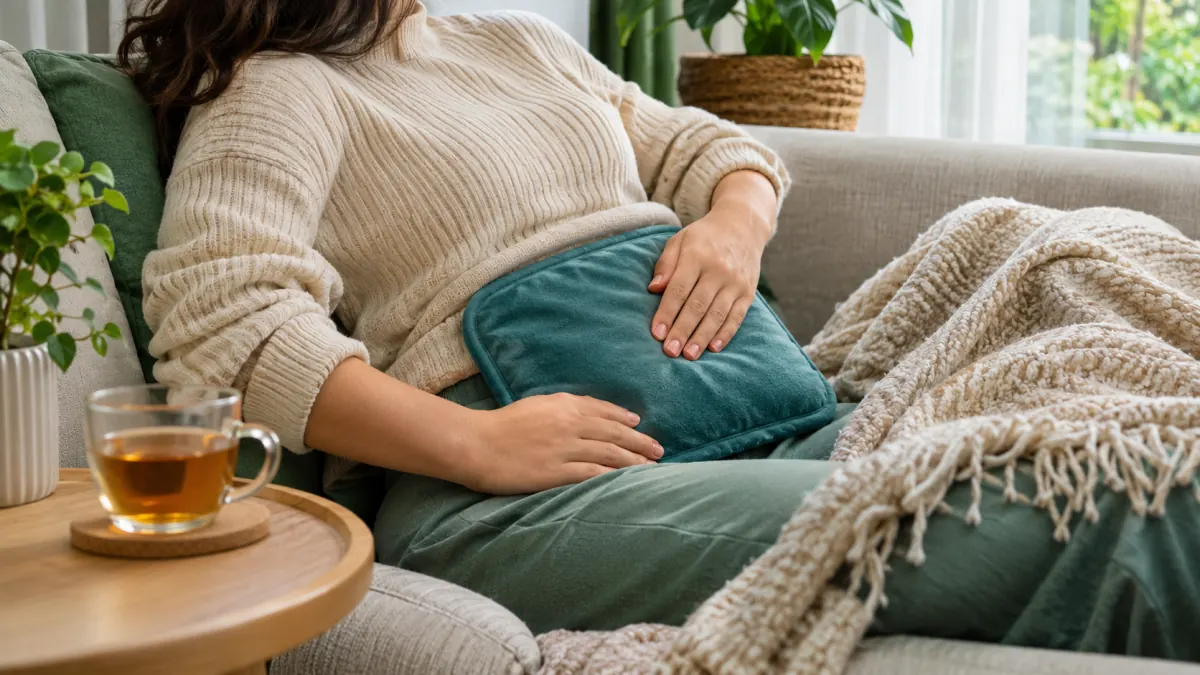
Missing school or work every month because of period pain is not a rite of passage. Neither is planning your calendar around which days you will be curled up on the couch, or quietly dreading sex because it hurts. These experiences are common, and that is exactly why they get brushed aside, sometimes for years. For many people, the eventual explanation is endometriosis, a condition that is real, often under-recognized, and treatable.
This article explains what endometriosis is, how it differs from ordinary cramps and from heavy periods, how a diagnosis is made, and what treatment and day-to-day support can look like for people in Stouffville and the surrounding area.
What endometriosis is
Endometriosis happens when tissue similar to the lining of the uterus grows outside the uterus. These patches, often called lesions or implants, are most commonly found on the ovaries, the fallopian tubes, the ligaments supporting the uterus, and the lining of the pelvis. Less often, they involve the bowel, bladder, or other organs.
Like the uterine lining, this tissue responds to hormones in the menstrual cycle. It can become inflamed and bleed, but unlike a period, there is nowhere for that blood and inflammation to go. Over time, this can cause pain, scar tissue, and adhesions that make organs stick together. On the ovaries, endometriosis can form cysts called endometriomas.
Endometriosis is estimated to affect roughly one in ten women and people assigned female at birth during their reproductive years. It often starts in the teen years, though it may not be diagnosed until much later.
What causes it?
There is no single proven cause. Theories include menstrual blood flowing backward through the fallopian tubes into the pelvis, immune system factors, genetics, and hormonal influences. Endometriosis does run in families, so having a mother or sister with it increases the chances.
Symptoms to watch for
The most common symptom is pelvic pain, but the pattern matters.
- Painful periods (dysmenorrhea) that are severe, get worse over time, or do not respond to regular pain relievers
- Pain during or after sex, especially deep pain
- Pain with bowel movements or urination, particularly around periods
- Chronic pelvic pain that is present outside of periods
- Lower back or leg pain that follows the cycle
- Bloating that comes and goes with the cycle, sometimes called “endo belly”
- Fatigue
- Difficulty getting pregnant
Some people with extensive endometriosis have mild symptoms, while others with small amounts have severe pain. The amount of disease does not always match how much it hurts.
How it differs from other period problems
| Ordinary cramps | Heavy periods | Endometriosis | |
|---|---|---|---|
| Main issue | Discomfort on the first day or two | Volume of bleeding | Pain, often worsening over time |
| Response to pain relievers | Usually good | Not the main concern | Often incomplete |
| Pain outside of periods | Rare | Uncommon | Common |
| Pain with sex, bowel movements or urination | Rare | Uncommon | Common |
| Effect on daily life | Mild | Can be significant | Often significant |
These categories overlap. Some people with endometriosis also have heavy bleeding, and adenomyosis, a related condition where lining-like tissue grows into the uterine muscle, can cause both pain and heavy flow. Our article on heavy periods covers bleeding in more depth.
Why diagnosis takes so long
People with endometriosis frequently wait years between their first symptoms and a diagnosis. There are a few reasons:
- Period pain is normalized, so people do not seek help, or are told their pain is typical.
- Symptoms overlap with irritable bowel syndrome, bladder conditions and other causes of pelvic pain.
- Standard ultrasound may look normal, especially when the lesions are small.
- Definitive confirmation traditionally required surgery.
Current guidance has moved toward making a clinical diagnosis based on symptoms and examination, and starting treatment without waiting for surgical proof. For patients in Stouffville, that means a conversation with a family doctor or walk-in physician can lead to meaningful help much sooner.
What to expect at an appointment
A visit for suspected endometriosis usually includes:
- A detailed history. Your doctor will ask when the pain started, how it relates to your cycle, how it affects school, work, exercise and relationships, what you have tried, and about bowel and bladder symptoms.
- Questions about your periods and fertility plans. Whether you want to become pregnant soon changes the treatment options.
- A physical exam, which may include a pelvic exam if you are comfortable. You can ask for a chaperone, and you can always say no or ask to stop.
- Investigations. These may include a pregnancy test, swabs for infection, blood tests, and a pelvic ultrasound through diagnostic imaging referrals. A transvaginal ultrasound is often more detailed. Ultrasound can show endometriomas and sometimes deeper disease, but a normal result does not rule out endometriosis.
Bring a symptom diary
Before your visit, track two or three cycles if you can. Note the days you bleed, pain levels from zero to ten, where the pain is, what helped, and any days missed from work or school. This record is powerful evidence and makes the conversation faster and more productive.
Treatment options
There is no cure for endometriosis, but many effective treatments can control symptoms. The right plan depends on your symptoms, age, fertility goals, and preferences.
Pain relief
Anti-inflammatory medications such as ibuprofen or naproxen work best when started a day or so before the period is expected and taken regularly through the worst days, as directed and if they are safe for you. Heat, gentle movement and rest help too.
Hormonal treatments
Hormones calm endometriosis by reducing or stopping the cycles that drive inflammation. Options include:
- Combined hormonal contraception (the pill, patch or ring), often taken continuously to skip periods
- Progestin-only treatments, including progestin pills and injections
- A hormonal IUD, which releases progestin directly in the uterus
- Other medications that lower estrogen more strongly, generally started or guided by a gynaecologist
Many of these are also contraceptives, which can be convenient. A birth control consultation is a good time to talk about which options also help with pain.
Surgery
Laparoscopic surgery, done through small incisions, can confirm the diagnosis and remove or destroy lesions and cysts. It may be recommended when medications do not work, when there are endometriomas, when organs are involved, or for some fertility situations. Surgery is done by gynaecologists, and symptoms can return afterward, so hormonal treatment is often continued.
Support beyond medication
Pelvic floor physiotherapy can help when muscles in the pelvis have tightened in response to long-term pain. Counselling, pain management programs and peer support groups can make a real difference, especially for people who have struggled for years. Regular exercise, good sleep and stress management do not cure endometriosis, but they can reduce the overall burden of pain.
Endometriosis and fertility
Endometriosis can make it harder to become pregnant, but many people with endometriosis conceive naturally. If you are trying to get pregnant, it is worth discussing early with your doctor, especially if you are over 35 or have known endometriosis. A specialist referral to a gynaecologist or a fertility clinic may be suggested sooner rather than later.
When to seek urgent care
Go to an emergency department, such as Markham Stouffville Hospital or Uxbridge Hospital, or call 911 if you have:
- Sudden, severe pelvic or abdominal pain, especially on one side
- Pelvic pain with a positive pregnancy test or a missed period, which can signal an ectopic pregnancy
- Pain with fever, chills or vomiting
- Fainting, dizziness or a racing heartbeat with pain
- Very heavy bleeding, soaking a pad every hour for several hours
These can be signs of a ruptured cyst, ovarian torsion, infection or pregnancy complications that need immediate care.
Living well with endometriosis in Stouffville
Endometriosis is a long-term condition, and good care is usually a partnership over many years. Small adjustments help: keeping a heating pad at work, planning gentler workouts around flare days, letting a trusted manager or teacher know you may need flexibility. Many people find walks on the trails near the Stouffville Reservoir or swimming at the Leisure Centre easier on the body than high-impact exercise during a flare. Students may also benefit from a doctor’s note for school accommodations, and some workplace forms can be completed at the clinic.
Can teenagers have endometriosis?
Does a normal ultrasound mean I don't have endometriosis?
Will endometriosis go away after menopause?
Starting the conversation at HealthSmart
If your periods are disrupting your life, you deserve to be heard. HealthSmart Medical Clinic offers women’s health visits where pelvic pain, cycles, contraception and fertility questions can be discussed openly. Book an appointment and bring your symptom diary; Stouffville patients without a regular family doctor are welcome to ask about walk-in and same-day options too.
Please read this as general health information; your own clinician can advise you on what fits your symptoms and goals.