Excessive Sweating in Stouffville: Causes, Treatments and When to Worry
Soaked shirts, slippery hands or night sweats? How a Stouffville doctor tells normal summer sweat from hyperhidrosis or another cause, and what can help.
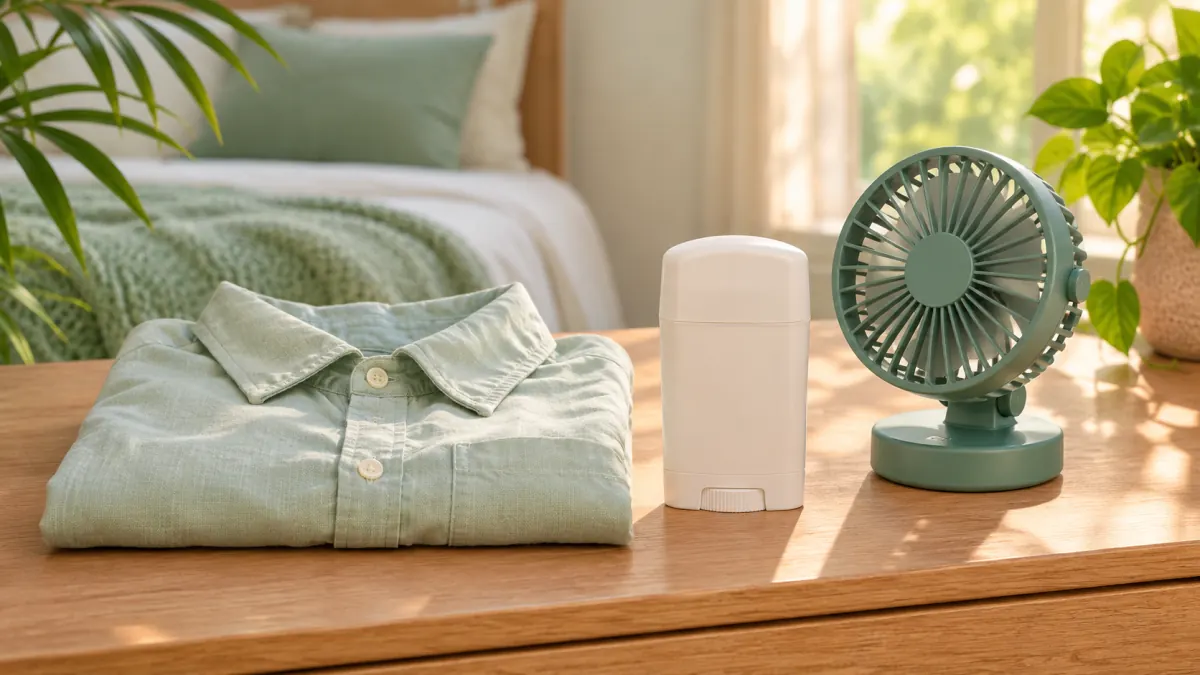
Yes, sweating that soaks through your shirt on a cool day, drips off your palms onto paperwork, or makes you dread shaking hands is a real medical condition, and yes, it is treatable. It has a name, hyperhidrosis, and it affects a meaningful share of Canadians, many of whom never mention it to a doctor because they assume it is just how they are built or feel too embarrassed to bring it up. If that sounds familiar, this article is for you.
It is also for anyone whose sweating has changed: new night sweats, drenching episodes that come out of nowhere, or sweating that arrived alongside weight loss, a racing heart or hot flashes. Those patterns point in a different direction and deserve a check-up. Summer in Stouffville, with its humid July and August afternoons, makes everyone sweat more, so it helps to know where the line sits between ordinary and excessive.
Why we sweat at all
Sweat is your body’s cooling system. When your core temperature rises, from heat, exercise, fever or even a hot drink, the nervous system signals millions of sweat glands in the skin to release fluid. As that moisture evaporates, it carries heat away. Emotional triggers such as stress, nervousness or embarrassment activate many of the same glands, which is why palms and underarms get damp before a job interview.
Two main types of sweat gland are involved:
- Eccrine glands are spread across almost the entire body, especially dense on the palms, soles, forehead and underarms. They produce mostly water and salt and handle cooling.
- Apocrine glands are concentrated in the armpits and groin. They become active at puberty and produce a thicker fluid that bacteria on the skin break down, which is what creates body odour.
Two very different kinds of excessive sweating
Doctors usually start by asking whether the sweating is primary (the sweating itself is the condition) or secondary (caused by something else). The distinction matters because treatment is completely different.
| Feature | Primary focal hyperhidrosis | Secondary hyperhidrosis |
|---|---|---|
| Usual starting age | Childhood, teen years or early adulthood | Any age, often adulthood |
| Where on the body | Specific areas: underarms, palms, soles, face or scalp | Often widespread over the whole body |
| Pattern | Both sides equally | Can be general or one-sided |
| During sleep | Usually stops during sleep | May occur at night (night sweats) |
| Family history | Often present | Not usually |
| Underlying cause | Overactive nerve signals to normal sweat glands | A medical condition or medication |
Primary focal hyperhidrosis
This is the most common form. The sweat glands themselves are normal, but the nerves that switch them on are overactive. It typically affects one or more specific areas, symmetrically, and often runs in families. People with it frequently describe:
- Changing shirts during the workday or avoiding certain colours and fabrics.
- Wiping their hands before every handshake, or leaving damp marks on paper and keyboards.
- Difficulty gripping tools, a steering wheel or a racquet.
- Slipping in sandals, or socks and shoes that are always damp, sometimes leading to athlete’s foot or odour.
- Anxiety about social situations because of the sweating itself.
Secondary hyperhidrosis
Here something else is driving the sweat. Possible causes include:
- Hormonal changes, especially perimenopause and menopause, when hot flashes and night sweats are common.
- An overactive thyroid, which can also cause weight loss, a fast heartbeat, tremor and heat intolerance.
- Low blood sugar in people with diabetes, often with shakiness, confusion or hunger.
- Infections, including those that cause fever.
- Medications, such as some antidepressants, certain diabetes medications, some pain medications and hormone therapies.
- Alcohol or substance withdrawal.
- Obesity, which increases heat production and insulation.
- Less commonly, conditions like certain cancers (including lymphoma), heart problems or neurological conditions.
If night sweats or hot flashes are your main issue, our article on menopause care explores that in more detail. A thyroid check is often part of the work-up as well, through thyroid disorder management if the results point that way.
Red flags: sweating that needs prompt attention
Most excessive sweating is not dangerous. These situations are different.
Call 911 immediately if sweating comes with:
- Chest pain, pressure or tightness, especially spreading to the arm, jaw or back.
- Shortness of breath, nausea or a feeling of impending doom.
- Confusion, fainting or severe weakness.
- Hot, flushed skin with confusion after heat exposure, which may be heat stroke.
A cold sweat with chest discomfort can be a sign of a heart attack. Do not drive yourself; call 911.
Book an appointment soon if you have:
- Night sweats that drench your sheets, particularly with fever or unexplained weight loss.
- New sweating that started in adulthood without an obvious cause.
- Sweating only on one side of the body.
- Sweating along with a fast or irregular heartbeat, tremor, or weight loss.
- Swollen lymph nodes in the neck, armpits or groin that do not go away.
What to expect at an appointment
When you come in to discuss sweating at a Stouffville clinic, your doctor will want to know:
- When it started and whether it is getting worse.
- Which body areas are affected.
- Whether it happens during sleep.
- What makes it better or worse.
- Your current medications and supplements.
- Any other symptoms, such as weight changes, fever, palpitations or hot flashes.
- How it is affecting your work, relationships and daily life.
A physical exam follows. If secondary hyperhidrosis seems possible, your doctor may order blood work, for example to check thyroid function, blood sugar or a complete blood count, through laboratory testing referrals. Many people with primary focal hyperhidrosis do not need extensive testing, because the pattern is recognizable from the history alone.
Treatment options, step by step
For primary focal hyperhidrosis, treatment usually starts simple and moves up only as needed.
1. Clinical-strength antiperspirants
Antiperspirants work by temporarily plugging sweat ducts. Deodorants only mask odour. For hyperhidrosis, a stronger antiperspirant containing aluminum chloride is often the first step. A few tips make a big difference:
- Apply at bedtime to completely dry skin. Sweat glands are less active at night, so the product has a better chance of working.
- Wash it off in the morning; you can use regular deodorant during the day if you like.
- Start with nightly use until sweating improves, then reduce to once or twice a week to maintain.
- Some skin irritation is common. If it is significant, applying less often or using a gentle moisturizer can help. Your doctor or pharmacist can suggest options.
These products can also be used on the palms and soles, though results are usually less dramatic there.
2. Iontophoresis
For sweaty hands and feet, iontophoresis is an option. You place your hands or feet in shallow trays of tap water while a device passes a mild electrical current through the water. Sessions are typically repeated several times a week at first, then less often. Home devices are available, and the cost may or may not be covered by private insurance.
3. Prescription medications
Oral medications that reduce sweating throughout the body are sometimes used, especially when several areas are affected. They can cause side effects such as dry mouth, blurred vision or constipation, and are not suitable for everyone. Your doctor can explain whether this approach fits your situation.
4. Injections and specialist treatments
Botulinum toxin injections can significantly reduce underarm sweating for several months at a time and can also be used on the palms. Other procedures, including devices that destroy sweat glands and, rarely, surgery on the nerves controlling sweating, are generally reserved for severe cases that have not responded to other treatments. These are usually provided by a dermatologist, which requires a specialist referral.
Coverage for these treatments varies. Some private insurance plans cover them, and OHIP coverage is limited. Ask your doctor or the specialist’s office before starting.
Practical everyday strategies
Alongside medical treatment, small changes help:
- Choose breathable fabrics such as cotton, linen or technical moisture-wicking fabrics. Loose fits help air circulate.
- Keep spare shirts at work or in the car on hot days; a sticky Stouffville August can defeat even a good antiperspirant by mid-afternoon.
- Use sweat-absorbing liners or undershirts to protect clothes.
- Rotate shoes so each pair can dry fully, and choose moisture-wicking socks.
- Keep your bedroom cool with a fan or air conditioning.
- Limit triggers like spicy foods, alcohol and caffeine if they seem to make it worse.
- Stay hydrated. Sweating heavily, especially during outdoor activities like a summer hike in Rouge National Urban Park or a long game at the Whitchurch-Stouffville Leisure Centre, means losing fluid and salt.
The emotional side
Many people with hyperhidrosis, in Stouffville and everywhere else, say the hardest part is not the sweat itself but the self-consciousness. Some avoid social events, dating, certain jobs or sports. If you are feeling anxious or low because of it, say so during your visit. That is important information and part of what treatment is meant to address.
Is it bad to stop sweating with antiperspirant?
My teenager sweats a lot. Is that normal?
Talking to a doctor about sweating
You do not need to be embarrassed to bring this up; it is a common, legitimate reason for a visit. HealthSmart Medical Clinic at 208-5892 Main Street in Stouffville can assess your symptoms, check for underlying causes and walk you through treatment options. Book an appointment online or call 905-642-6300. Hours may change, so check our location page for current details.
This article is meant as general health information and should not replace an individual assessment by a medical professional.