Frostbite and Cold Exposure in Stouffville: First Aid, Prevention and Hypothermia Signs
White, waxy fingertips after a cold walk? How to rewarm frostbite safely, which old remedies backfire, and the hypothermia signs Stouffville families must know.
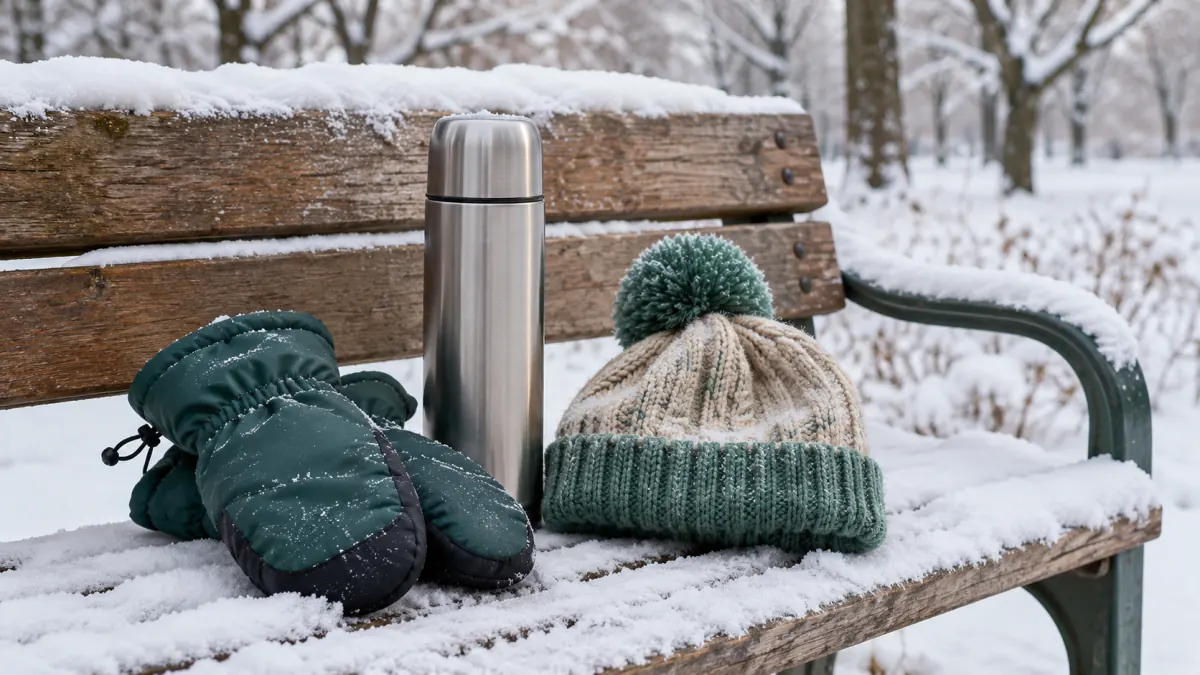
The sledding hill is packed on the first real cold day of the holidays. Kids have been going up and down for two hours, snow packed into their cuffs, mittens soaked through and abandoned somewhere near the bottom. One of them comes inside, holds out his hands and says his fingers feel “like wood.” The tips look pale and waxy, and his mother does what her own parents did: she grabs his hands and starts rubbing them briskly. It’s a kind instinct, and it’s exactly the wrong move.
Frostbite is not rare in an Ontario winter, and the old home remedies passed down through generations often make it worse. Rubbing frozen skin, rubbing it with snow, or warming it in front of a fireplace can all add damage to tissue that’s already injured. This article goes deeper than our general winter wellness overview. It covers how cold damages skin, how to recognize each stage, safe first aid step by step, who’s most at risk, and how to spot hypothermia, which is a true emergency. Whether you skate, snowshoe on the Oak Ridges Moraine, shovel your Stouffville driveway at 6 a.m. or wait for a bus on a windy corner, it’s worth knowing.
How cold injures the body
When your body gets cold, it protects your core organs first. Blood vessels in the hands, feet, ears, nose and cheeks narrow so that less warm blood is lost from the surface. That’s sensible for survival but hard on the extremities. As skin temperature falls below freezing, ice crystals form in and around cells, damaging them, and blood flow in tiny vessels slows and can clot. Some of the most significant injury actually happens during rewarming, especially if tissue thaws and then freezes again.
Wind makes all of this happen faster. Environment and Climate Change Canada reports the wind chill, which estimates how cold it feels on exposed skin. The figures below are a useful rough guide.
| Wind chill | Frostbite risk for exposed skin |
|---|---|
| 0 to -9 | Low |
| -10 to -27 | Moderate; dress warmly and stay dry |
| -28 to -39 | High; exposed skin can freeze in 10 to 30 minutes |
| -40 to -47 | Very high; skin can freeze in 5 to 10 minutes |
| -48 and colder | Severe; skin can freeze in under 5 minutes |
On open land in the north end of Whitchurch-Stouffville, around Ballantrae, the wind across farm fields can make conditions feel considerably colder than in a sheltered backyard in town. When Environment Canada issues an extreme cold warning for York Region, take it seriously.
The stages of frostbite
Frostnip
This is the earliest, mildest form, and it’s very common. Skin becomes red or pale, stings or tingles, and may go numb. There is no lasting damage. Skin returns to normal with gentle rewarming, though it may be red and uncomfortable for a while. Think of frostnip as a warning: if you stay out, frostbite comes next.
Superficial frostbite
The skin turns white, greyish or waxy and may feel firm on the surface but still somewhat soft underneath. As it rewarms, it can become red, swollen and very painful, and blisters filled with clear or milky fluid may appear within a day or so. With proper care, superficial frostbite usually heals over several weeks, although the area may stay sensitive to cold.
Deep frostbite
The injury extends to deeper tissues. The skin feels hard and wooden, and there’s no sensation. After rewarming, blood-filled blisters may develop, and over the following weeks the skin can turn blue-black and harden. In severe cases, tissue may be permanently lost. Deep frostbite needs hospital care, ideally quickly, because some treatments that improve blood flow work best within hours of rewarming.
First aid for frostbite, step by step
- Get out of the cold. Move indoors or into a warm vehicle. If that isn’t possible, protect the area, for example by placing hands in your armpits, until you can get somewhere warm.
- Remove wet clothing and anything tight, including rings, watches and boots, before swelling starts.
- Check for hypothermia. If the person is confused, very drowsy, clumsy or has stopped shivering despite being cold, call 911 first. Treating hypothermia takes priority over frostbite.
- Don’t rewarm if it could freeze again. Thawing followed by refreezing causes much worse damage. If you’re still on the trail or stuck outdoors, it’s better to keep the area protected and frozen until you reach a place where it can stay warm.
- Rewarm in warm, not hot, water. Soak the area in water that feels comfortably warm to an uninjured hand, roughly body temperature to slightly above. Keep adding warm water to maintain the temperature. This usually takes 15 to 30 minutes and is done when the skin is soft and colour and feeling begin to return. Expect it to hurt; that’s normal.
- Use body heat for small areas. Ears, cheeks and nose can be covered with a warm, dry hand.
- Treat the pain. Acetaminophen or ibuprofen can help if they’re safe for the person.
- Protect the skin afterward. Dry gently, cover loosely with clean, dry dressings, and place gauze between fingers or toes. Leave blisters intact.
- Get assessed. Any frostbite beyond mild frostnip should be checked by a health care provider.
What not to do
- Don’t rub or massage frostbitten skin, and never rub it with snow.
- Don’t use direct dry heat such as a heating pad, space heater, hair dryer, car heater vent or fireplace. Numb skin can’t sense heat and burns easily.
- Don’t walk on frostbitten feet if you can avoid it.
- Don’t break blisters.
- Don’t drink alcohol or smoke, both of which affect blood flow.
Hypothermia: the emergency to recognize
Hypothermia happens when the body’s core temperature drops below about 35°C. It can occur in obviously frigid weather, but also in milder conditions with wind and wet clothing, after falling into cold water, or indoors in a poorly heated home, particularly for older adults.
A useful memory aid is the “umbles”: someone becoming hypothermic stumbles, mumbles, fumbles and grumbles.
- Mild: intense shivering, cold pale skin, clumsiness, trouble with zippers or buttons, poor judgment
- Moderate: shivering may slow or stop, confusion, slurred speech, extreme drowsiness, slow breathing
- Severe: loss of consciousness, a very slow or hard-to-find pulse, breathing that is shallow or seems absent
Call 911 for any suspected hypothermia beyond mild shivering, and immediately if the person is confused, drowsy, not shivering despite the cold, or unresponsive. While waiting:
- Move them gently to a warm, dry place. Rough handling can trigger dangerous heart rhythms in severe hypothermia.
- Remove wet clothing and replace it with dry layers and blankets, covering the head and neck.
- Warm the core first, using blankets, body-to-body contact, or warm (not hot) packs wrapped in cloth against the chest, armpits and groin.
- If the person is fully alert and can swallow, give a warm, sweet, non-alcoholic drink.
- Don’t rub their arms and legs or put them in a hot bath.
- If they aren’t breathing normally, start CPR if you’re trained, and follow the dispatcher’s instructions.
The nearest emergency departments for most Stouffville residents are at Markham Stouffville Hospital and Uxbridge Hospital, but in a cold emergency, call 911 rather than driving.
Who is most at risk
Anyone can get frostbite, but these groups need extra care:
- Babies and young children, who lose heat quickly and may not tell you they’re cold
- Older adults, who may feel cold less and generate less body heat
- People with diabetes, peripheral artery disease or Raynaud’s, whose circulation or sensation is reduced. If you live with diabetes, check your feet daily in winter.
- Anyone drinking alcohol or using cannabis or other substances, which impair judgment and increase heat loss
- Outdoor workers, such as people in construction, landscaping, snow removal and delivery
- People experiencing homelessness or living in poorly heated housing
- Smokers, because nicotine narrows blood vessels
- Anyone who has had frostbite before, since the same area is more vulnerable afterward
Prevention that actually works
Dress in layers
A wicking base layer, such as merino wool or synthetic fabric, keeps sweat off your skin. Cotton holds moisture and loses its insulation when damp, so avoid it next to the skin on long outings. Add an insulating middle layer like fleece or wool, and finish with a windproof, water-resistant shell.
Cover the extremities
- Mittens beat gloves because fingers share warmth. Insulated mittens with liners are ideal.
- A warm toque covering the ears, plus a scarf or neck gaiter over the nose and cheeks on very windy days.
- Warm, dry socks and insulated boots that aren’t too tight. Bring a spare pair of socks for long days out.
Build habits around the cold
- Check the wind chill before heading out, not just the temperature.
- Change out of wet clothing promptly, especially gloves and socks.
- Check children’s fingers, ears, cheeks and toes every 20 to 30 minutes when they’re playing outside, and bring them in for warm-up breaks.
- Stay fed and hydrated; your body needs fuel to make heat.
- Keep a winter kit in the car with blankets, extra mittens, a toque, a flashlight and snacks. If you get stuck, it’s generally safest to stay with your vehicle and keep the exhaust pipe clear of snow.
- Check on older neighbours and relatives during a cold snap, especially those living alone in rural areas around Goodwood, Gormley and Musselman’s Lake.
Related cold-weather problems
Chilblains are itchy, tender, red or purple bumps on fingers or toes that can appear hours after cold, damp exposure, even above freezing. They usually settle within a couple of weeks. Immersion foot (trench foot) can develop when feet stay wet and cold for many hours, causing swelling, numbness and pain. Both deserve a check if they’re severe or slow to improve.
Can I treat mild frostbite at home?
Will my skin be permanently damaged?
Do I need a tetanus shot after frostbite?
Getting frostbite checked at HealthSmart
For frostbite that has blistered, numbness that hasn’t fully returned, or skin that needs dressing changes as it heals, our minor wound care team can help, and same-day appointments may be available for new concerns. Book online or check the location page for current hours before coming in. Deep frostbite and any sign of hypothermia belong in the emergency department, not a clinic.
Consider this general guidance; it doesn’t take the place of a personal assessment by a medical professional.