Fungal Skin Infections in Stouffville: Athlete's Foot, Ringworm and Jock Itch
Itchy toes, a spreading ring-shaped rash or a stubborn groin itch are often fungal. How Stouffville families can treat them at home and when to get checked.
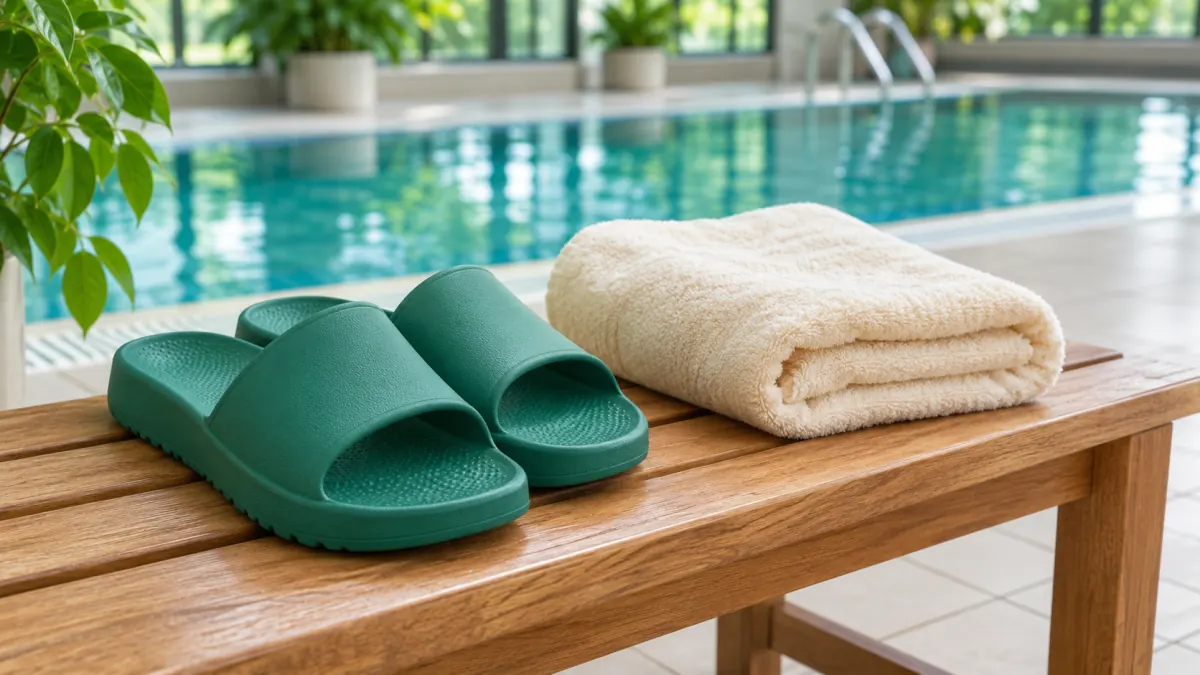
Warm, damp tile is a fungus’s favourite address. The change room floor after a busy swim session at the Whitchurch-Stouffville Leisure Centre, the shower stall at a hockey arena, the bath mat at the cottage, the inside of a work boot after a humid shift: these are the places where the organisms behind athlete’s foot and ringworm quietly wait for bare skin. Late summer, with its heat, sweat, sandals and shared pools, keeps them especially busy.
Fungal skin infections are rarely dangerous, but they are itchy, persistent and easy to pass around a household. They also look a lot like other rashes, which leads plenty of people to put the wrong cream on the wrong problem for weeks. This guide covers the common types we see in Stouffville, how to treat them properly, how to stop them coming back, and when a clinic visit is the better move.
The usual suspects
Most fungal skin infections are caused by a group of fungi called dermatophytes, which feed on keratin, the protein in the outer layer of skin, hair and nails. The other common culprit is yeast, especially Candida, which thrives in warm skin folds. The infection is named for where it shows up.
Athlete’s foot (tinea pedis)
The classic picture is peeling, cracked, itchy skin between the toes, especially the fourth and fifth. Other forms cause dry, scaly skin across the sole and sides of the foot in a “moccasin” pattern, or small itchy blisters on the arch. You do not have to be an athlete; anyone who wears enclosed shoes, sweats, or walks barefoot in shared wet areas is at risk.
Ringworm of the body (tinea corporis)
Despite the name, no worm is involved. It shows up as a round or oval patch with a raised, scaly, sometimes reddish edge and a clearer centre, often itchy. It can grow slowly outward and several patches may appear. Children often pick it up from pets, especially kittens and puppies, or from close-contact sports like wrestling.
Jock itch (tinea cruris)
An itchy, reddish-brown rash in the groin and inner thighs, usually with a clear border. It is more common in men, in hot weather and in people who sweat heavily or wear tight clothing. It often travels from the feet, which is why treating athlete’s foot at the same time matters.
Scalp ringworm (tinea capitis)
Mostly seen in children. It causes scaly patches of hair loss, sometimes with black dots where hairs have broken off, and occasionally a boggy, tender swelling. Scalp ringworm does not respond to creams alone and needs prescription oral medication, so it should always be assessed.
Fungal nail infection (onychomycosis)
Thickened, yellowish or white, crumbly toenails, often following years of athlete’s foot. Nail infections are slow to treat and the decision to treat depends on symptoms, other health conditions and how much they bother you.
Yeast infections of skin folds
Red, moist, sometimes shiny rashes under the breasts, in the groin, between skin folds of the belly, or in the diaper area, often with small red spots just beyond the main rash. These need a slightly different approach from dermatophyte infections.
Look-alikes that fool people
A good number of rashes that people assume are fungal turn out to be something else, and vice versa.
| Rash | Why it gets confused | Clue that points away from fungus |
|---|---|---|
| Eczema | Dry, itchy, scaly patches | Often symmetrical, in skin creases, worse in winter, history of allergies |
| Psoriasis | Well-defined scaly plaques | Thick silvery scale, elbows, knees, scalp, nail pitting |
| Contact dermatitis | Red, itchy patch | Clear link to a new product, plant or metal |
| Pityriasis rosea | Oval patches with scaly edge | Starts with a single larger “herald” patch, then many smaller ones on the trunk |
| Lyme disease rash | Expanding ring | Usually not scaly; follows a tick bite or time outdoors in tick areas |
That last row matters locally. Ticks are found in wooded and grassy areas around the Oak Ridges Moraine and Rouge National Urban Park, and the Lyme rash (erythema migrans) is a smooth, expanding red patch that may or may not have a bull’s-eye pattern. If you have a new expanding ring after time on trails, especially with fever, aches or fatigue, get it assessed promptly. Our post on tick bites and Lyme disease explains what to watch for.
A further trap: using a steroid cream on a fungal rash can make it look better for a few days while the infection quietly spreads, changing its appearance and making diagnosis harder. If you are not sure what a rash is, it is worth asking before reaching for a cream from the medicine cabinet. Eczema is covered separately in our guide to eczema and dry winter skin.
Treating a straightforward case at home
Mild athlete’s foot, jock itch and small patches of body ringworm usually respond to non-prescription antifungal creams such as terbinafine, clotrimazole or miconazole, available at pharmacies along Main Street and beyond. The trick is how you use them.
- Wash and dry first. Clean the area with mild soap and water, then dry thoroughly, including between the toes. A hair dryer on a cool setting works well for feet.
- Apply a thin layer beyond the edge. Cover the rash plus a couple of centimetres of normal-looking skin around it.
- Use it consistently. Usually once or twice a day, depending on the product.
- Keep going after it looks better. This is where most treatment fails. Continue for one to two weeks after the skin appears clear, or as the product directs, because the fungus outlives the visible rash.
- Treat the source. If you have jock itch, check your feet too. Put socks on before underwear so you do not carry fungus from feet to groin.
If there is no clear improvement after two weeks of proper use, or the rash is spreading, it is time for an assessment.
When to see a clinician
Book a visit if:
- the rash involves the scalp, beard area or nails
- it is widespread, or you have several patches
- it has not improved after two weeks of correct over-the-counter treatment
- it keeps coming back
- you have diabetes, poor circulation, or a weakened immune system
- the skin is cracked, oozing, painful, swollen or hot, which can mean a bacterial infection has set in
- you are pregnant or breastfeeding and unsure which products are safe
- the rash is on a baby or toddler and does not settle with simple diaper care
A special word for people with diabetes
Cracks between the toes from athlete’s foot can let bacteria in, leading to cellulitis or foot ulcers. If you have diabetes, check your feet daily, treat athlete’s foot promptly and have any break in the skin assessed early. Regular foot checks are part of good diabetes management.
Seek urgent care if a red area is spreading quickly, you develop a fever or chills, the skin becomes very painful or dark, or red streaks run up the leg from a foot infection.
What we can do in clinic
At a general medical consultation, a clinician can usually diagnose a fungal infection by looking at it. When the picture is unclear, a gentle skin scraping or nail clipping can be sent to the lab to confirm the fungus before starting longer treatment. Depending on the findings, options include:
- a stronger or different topical antifungal
- a combination plan for co-existing problems, such as eczema with a fungal infection on top
- oral antifungal medication for scalp, nail or widespread infections, sometimes with blood work for longer courses
- treatment for any bacterial infection in cracked skin
- advice on household measures if a pet or family member may be the source
Keeping it from coming back
Prevention is mostly about keeping skin dry and not sharing what the fungus lives on.
- Wear sandals in public showers, pool decks, gym change rooms and hotel bathrooms.
- Dry thoroughly after swimming, showering and sweating, especially between toes and in skin folds.
- Choose breathable socks made of cotton blends or moisture-wicking fabric, and change them when damp.
- Rotate shoes so each pair has a day or two to dry out. An antifungal powder inside shoes can help.
- Do not share towels, socks, razors, hairbrushes, helmets or sports gear.
- Wash towels and gym clothes in hot water and dry them fully.
- Check pets. Patchy hair loss on a cat or dog is worth a vet visit if ringworm is going around your house.
- Keep wrestling and martial arts mats clean, and follow your club’s skin check rules.
Can my child go to school or day camp with ringworm?
Is bleach or vinegar a good home remedy for athlete's foot?
Getting an itchy rash looked at
If a rash is not behaving the way you expected, or you simply want to know what it is before you spend weeks treating it, our team in Stouffville can help. You can book an appointment or drop by the walk-in clinic during open hours. Because hours can shift through the summer, please check our location page before you come.
This information is general and educational, and it should not replace a personal assessment of your skin.