Gallstones in Stouffville: Recognizing a Gallbladder Attack
Steady pain under the right ribs after a heavy meal can point to gallstones. Attack symptoms, tests, eating tips and when surgery helps, for Stouffville adults.
The pain tends to arrive in the evening, often an hour or so after a rich dinner. It settles in the upper right side of the belly, just under the ribs, or right in the middle below the breastbone. It does not come and go like gas cramps. It builds to a steady, gripping ache that makes it hard to sit still, sometimes spreading around to the back or up toward the right shoulder blade. After a couple of hours it fades, leaving you sore and wrung out, wondering what on earth that was.
That description, give or take a few details, is the classic gallbladder attack, known to doctors as biliary colic. Gallstones are very common, and most people who have them never know. When they do cause trouble, though, the pattern is recognizable, the tests are straightforward, and the treatment is well established. This guide explains what gallstones are, what an attack feels like, which symptoms need emergency care, and how gallstone problems are usually managed for patients in Stouffville.
What the gallbladder does
The gallbladder is a small, pear-shaped pouch tucked under the liver. The liver constantly makes bile, a greenish fluid that helps digest fats, and the gallbladder stores and concentrates it between meals. When you eat, especially something fatty, the gallbladder squeezes and sends bile through a series of small tubes (the bile ducts) into the small intestine.
Gallstones form when substances in bile, most often cholesterol and sometimes a pigment called bilirubin, crystallize into hard deposits. They can be as small as a grain of sand or as large as a golf ball, and a gallbladder can hold one stone or hundreds.
Who gets gallstones
Gallstones are more common with:
- Female sex, particularly during the reproductive years
- Pregnancy, and the use of estrogen-containing medications
- Age over 40, with risk continuing to rise
- Excess body weight
- Rapid weight loss, including after bariatric surgery, very low-calorie diets, or with some weight-loss medications
- A family history of gallstones
- Certain ethnic backgrounds, including some Indigenous populations
- Diabetes and some other metabolic conditions
- Conditions of the small bowel such as Crohn’s disease
- Long periods of fasting or skipping meals
Silent stones versus symptomatic stones
Many gallstones are discovered by chance on an ultrasound done for another reason. These are called silent or asymptomatic gallstones. Most people with silent stones never develop symptoms, and current practice is generally not to remove a gallbladder just because stones are there.
The picture changes once stones start causing attacks. After a first episode of biliary colic, further attacks are likely, and the risk of complications rises.
Recognizing a gallbladder attack
| Feature | Typical for biliary colic |
|---|---|
| Location | Upper right abdomen or upper middle abdomen |
| Character | Steady, intense, gripping; not crampy or brief |
| Timing | Often after a meal, frequently in the evening or overnight |
| Duration | Usually at least 30 minutes, often a few hours; generally less than six |
| Spread | Can radiate to the back or right shoulder blade |
| Other symptoms | Nausea, sometimes vomiting, restlessness |
Gallbladder pain is often mistaken for heartburn, indigestion or a pulled muscle. Heartburn tends to burn behind the breastbone and responds to antacids; gallbladder pain usually does not. Our article on acid reflux and heartburn explains reflux symptoms if you are not sure which pattern fits you.
Not every upper belly pain is the gallbladder
Other causes of pain in the same area include stomach ulcers, gastritis, pancreatitis, kidney stones, liver conditions, pneumonia at the base of the right lung, and the heart. That last one matters most: heart pain can be felt in the upper abdomen, especially in women, people with diabetes and older adults. Pain with shortness of breath, sweating, or exertion should be treated as a possible heart problem until proven otherwise.
Complications: when gallstones become an emergency
Stones that block the outflow of the gallbladder, or move into the bile ducts, can cause serious complications.
Acute cholecystitis
When a stone stays stuck, the gallbladder becomes inflamed and sometimes infected. Pain lasts longer than a typical attack, often more than six hours, and may come with fever, tenderness under the right ribs, and feeling generally unwell.
Stones in the bile duct
A stone that slips into the common bile duct can block bile from leaving the liver. Signs include yellowing of the skin or eyes (jaundice), dark urine, and pale or clay-coloured stools, sometimes with itching.
Cholangitis
If a blocked bile duct becomes infected, the combination of fever and chills, jaundice and abdominal pain can make a person very ill quickly. This is a medical emergency.
Gallstone pancreatitis
A stone that blocks the opening shared by the bile duct and the pancreatic duct can trigger inflammation of the pancreas. The pain is usually severe, in the upper middle abdomen, often boring straight through to the back, and comes with vomiting.
When to go to emergency
Go to the emergency department, such as Markham Stouffville Hospital or Uxbridge Hospital, or call 911, if you have:
- Abdominal pain lasting more than about five or six hours
- Pain with fever or shaking chills
- Yellow skin or eyes, dark urine or pale stools
- Severe pain that radiates to the back, especially with repeated vomiting
- Pain with confusion, fainting, or a racing heart
- Upper abdominal pain with chest pressure, shortness of breath, or sweating
- Pain during pregnancy that is severe or persistent
If you are unsure whether symptoms need emergency care, Health811 (call 811) can help day or night.
How gallstones are diagnosed
For someone in Stouffville who has had an attack and is now feeling better, the next steps are usually done through a family doctor or walk-in clinic:
- History and exam. Your doctor will ask about the pattern of pain, triggers, timing, and any fever or colour changes, and will examine your abdomen.
- Blood tests. Liver tests, a complete blood count, and pancreatic enzymes help detect blockage, inflammation or infection. The clinic can arrange these through laboratory testing referrals.
- Abdominal ultrasound. This is the main imaging test for gallstones. It is painless, uses no radiation, and is usually done after fasting for several hours. Your doctor can organize it through diagnostic imaging referrals.
- Further imaging when needed, for example if a stone in the bile duct is suspected. This is often arranged by a specialist or hospital team.
Treatment options
Watchful waiting
For stones found by accident with no symptoms, monitoring is usually all that is needed. Know the warning signs and see a doctor if pain develops.
Surgery
For people who have had attacks, the standard treatment is removal of the gallbladder, called a cholecystectomy. It is usually done laparoscopically, through a few small incisions, and many people go home the same day or the next. Your family doctor can make a specialist referral to a general surgeon to discuss timing, risks and recovery.
People often worry about living without a gallbladder. The liver continues to make bile, which flows directly into the intestine. Most people digest food normally afterward. A minority notice looser stools, especially after fatty meals, which often improves over time.
Procedures for bile duct stones
Stones lodged in the bile duct may be removed with a procedure called ERCP, in which a specialist passes a flexible scope through the mouth into the small intestine. This is done in hospital.
Medication
Medications that dissolve cholesterol stones exist but work slowly, help only certain kinds of stones, and stones often return after stopping. They are used only in selected situations.
Eating well with gallstones
Holiday feasts, summer barbecues and takeout nights on Main Street in Stouffville are all part of life, and nobody needs a joyless menu. Diet cannot dissolve existing stones, but it can influence how often attacks happen while you wait for assessment or surgery.
- Eat smaller, more regular meals rather than one very large meal at the end of the day.
- Go easy on high-fat foods, especially deep-fried dishes, rich sauces, fatty cuts of meat and heavy desserts, which trigger strong gallbladder contractions.
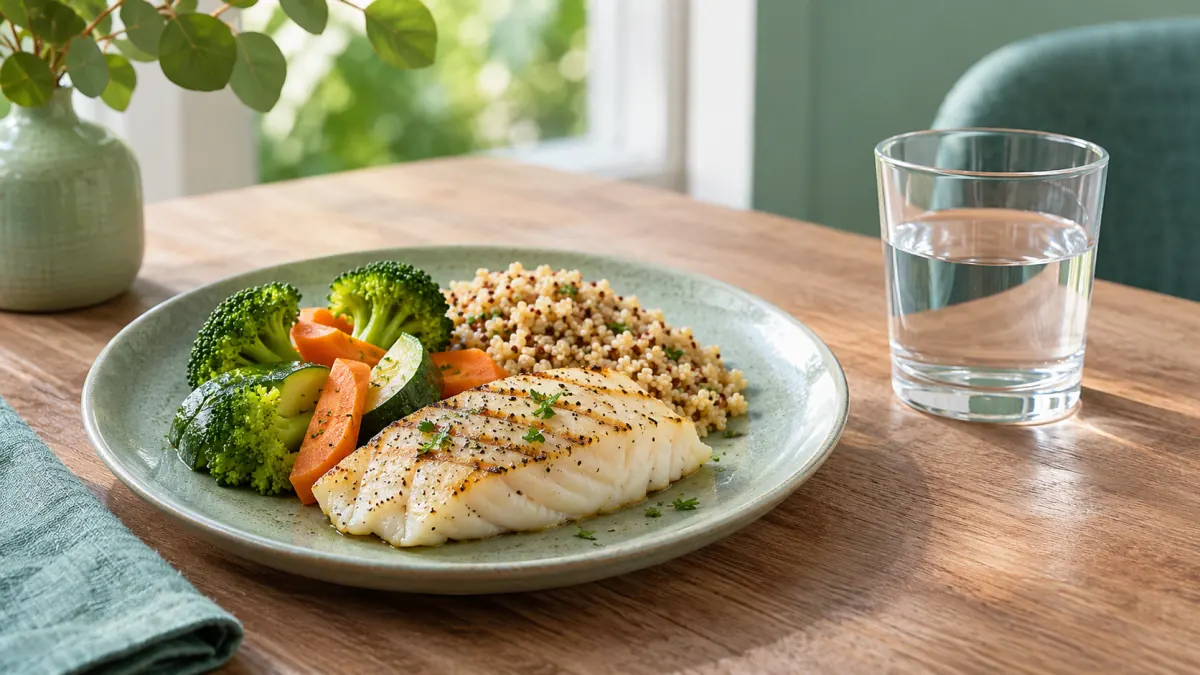
- Choose lean proteins such as fish, chicken, beans and lentils, along with vegetables, fruit and whole grains.
- Do not skip meals for long periods, since fasting allows bile to become more concentrated.
- Lose weight gradually if you are aiming to lose weight. Slow, steady loss is less likely to trigger stones than crash dieting.
- Stay active. Regular activity, whether walks along the Stouffville trails or a class at the Leisure Centre, is linked to lower gallstone risk.
- Keep a food and symptom diary to spot your personal triggers.
Can gallstones come back after my gallbladder is removed?
Is gallbladder pain worse at night?
Are gallstones the same as kidney stones?
Getting your belly pain checked
If you have had an episode that sounds like a gallbladder attack and you are now feeling better, a non-urgent visit is a sensible next step. HealthSmart Medical Clinic on Main Street can assess abdominal pain through our gastrointestinal illness treatment service, order blood work and ultrasound, and connect you with a surgeon when needed. Book an appointment to get started, and bring a list of your medications and any recent test results. We are glad to help Stouffville patients sort out what is behind that pain.
This information is general and educational; it is not a diagnosis, and anyone with severe or ongoing pain should seek care promptly.