Hemorrhoids in Stouffville: Relief, Prevention and When Bleeding Needs a Look
Itching, a tender lump or bright red blood on the tissue? Practical hemorrhoid relief, prevention habits and bleeding signs a Stouffville doctor should check.
Let’s get the awkward part out of the way: yes, if you see a doctor about hemorrhoids, they may need to look, and no, it won’t faze them in the slightest. Family physicians examine this area routinely, and hemorrhoids are among the most common reasons adults seek care for bottom-related discomfort. Embarrassment keeps many people suffering in silence for months, buying cream after cream, when a five-minute conversation could confirm what’s going on and rule out anything more serious.
Hemorrhoids aren’t dangerous in themselves, and most settle with simple changes. But because rectal bleeding can occasionally signal other conditions, it’s worth understanding what’s typical, what helps, and which symptoms deserve a proper check. This guide covers all three for adults in Stouffville and the surrounding area.
What hemorrhoids actually are
Everyone has hemorrhoids. They are normal cushions of blood vessels and supporting tissue inside the anal canal that help with continence. What people call “having hemorrhoids” really means those cushions have become swollen, stretched or inflamed, usually from pressure.
There are two main types:
Internal hemorrhoids
These sit inside the rectum, above a line where the lining has few pain-sensing nerves. They’re usually painless. The most common sign is bright red blood on toilet paper, on the surface of stool or dripping into the bowl. Larger ones can prolapse, meaning they slip out through the anus during a bowel movement and either go back in on their own or need to be pushed back.
External hemorrhoids
These are under the skin around the anus, where there are plenty of nerves. They can cause itching, irritation, swelling and discomfort, especially when sitting or cleaning.
Thrombosed external hemorrhoids
Sometimes a blood clot forms inside an external hemorrhoid. This causes a sudden, very painful, firm, bluish or purple lump at the edge of the anus. The pain is usually worst in the first two to three days and then gradually eases over a week or two as the clot is reabsorbed. If you’re seen early, typically within the first 72 hours, a doctor may discuss removing the clot through a small incision to relieve pain faster; after that, conservative care is usually preferred.
Skin tags
After a hemorrhoid settles, a small flap of skin sometimes remains. Skin tags are harmless but can make cleaning harder.
Why they flare up
Anything that increases pressure in the veins of the lower rectum can contribute:
- Straining during bowel movements, often from constipation
- Sitting on the toilet too long, a habit that has grown alongside phones in the bathroom
- Chronic diarrhea
- Low-fibre diet and not drinking enough fluids
- Pregnancy, from hormonal changes and the pressure of the growing uterus, plus constipation and the effort of delivery
- Heavy lifting and straining at the gym or work
- Ageing, as supporting tissue weakens
- Long periods of sitting, such as a daily drive from Stouffville into Toronto or a desk job
- Obesity
Home care that genuinely helps
Most hemorrhoid flares improve within about a week with the following measures.
Soften your stool
This is the single most important step. Hard stool and straining are what aggravate hemorrhoids most.
- Increase fibre gradually toward roughly 25 to 35 grams a day from vegetables, fruit, whole grains, beans, lentils, oats, bran and ground flax. Adding it too fast causes gas and bloating, so build up over a couple of weeks.
- Consider a fibre supplement, such as psyllium, if diet alone doesn’t get you there.
- Drink enough fluids, mainly water, especially as you increase fibre.
- Short-term stool softeners or gentle laxatives, like polyethylene glycol, may help in the meantime. A pharmacist can suggest an appropriate product.
Change your bathroom habits
- Go when you feel the urge rather than holding it.
- Don’t strain or hold your breath while pushing.
- Limit toilet time to a few minutes. Leave the phone outside.
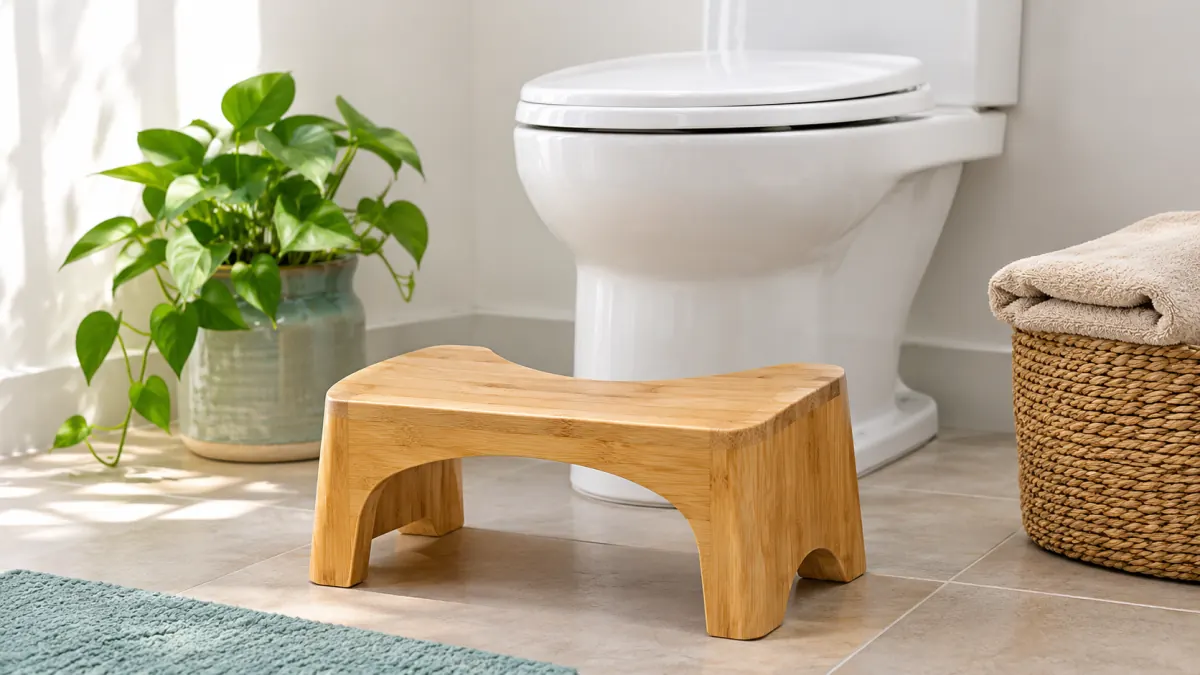
- Try a footstool. Raising your feet so your knees are higher than your hips straightens the angle of the rectum and can make bowel movements easier.
Soothe the area
- Sitz baths: sit in a few inches of warm water for 10 to 15 minutes, two or three times a day and after bowel movements. A plastic basin that fits over the toilet seat works well.
- Clean gently: use soft, unscented toilet paper, moistened with water if needed, or a peri bottle. Pat dry. Avoid fragranced wipes and harsh soaps.
- Cold packs wrapped in a cloth can ease swelling of an external hemorrhoid.
- Over-the-counter creams and suppositories can relieve itching and discomfort. Those containing hydrocortisone should only be used for about a week at a time, since longer use can thin the delicate skin.
- Acetaminophen can help with pain. Avoid codeine-containing products if possible, as they cause constipation.
When home care isn’t enough
If symptoms persist despite a few weeks of good habits, there are more options. A physician may recommend:
- Office-based procedures for internal hemorrhoids, most commonly rubber band ligation, in which a small band cuts off the hemorrhoid’s blood supply so it shrinks and falls off over about a week. Other techniques include injection (sclerotherapy) and infrared coagulation. These are usually done by a general surgeon or colorectal specialist.
- Surgical removal (hemorrhoidectomy) for large, prolapsing or complicated hemorrhoids that haven’t responded to other treatment. It’s effective but involves a more painful recovery, so it’s generally reserved for difficult cases.
If you need one of these, your doctor can arrange a specialist referral.
Bleeding: what’s typical and what isn’t
Bleeding from hemorrhoids is usually:
- Bright red
- Small in amount, seen on toilet paper or as streaks on stool or a few drops in the bowl
- Associated with a bowel movement
- Not accompanied by other symptoms
That said, rectal bleeding should not automatically be assumed to be hemorrhoids, especially as you get older. Other causes include anal fissures (small tears, which tend to cause sharp pain with bowel movements), inflammatory bowel disease, infections, polyps and colorectal cancer.
Make an appointment if you have:
- Rectal bleeding for the first time, particularly if you’re over about 40
- Bleeding that continues despite treating hemorrhoids
- Dark red or maroon blood, or blood mixed through the stool
- A change in bowel habits lasting more than a few weeks, such as new constipation, diarrhea or narrower stools
- Unexplained weight loss, fatigue or signs of low iron
- A family history of colorectal cancer or polyps
- A lump that doesn’t go back in or doesn’t improve
Your doctor may recommend a physical exam, blood work to check for anemia, or a referral for a colonoscopy depending on your age, symptoms and history. Ontario’s colorectal cancer screening program recommends a stool-based test (FIT) every two years for people aged 50 to 74 at average risk; our post on colorectal cancer screening explains who qualifies and how it works. Note that screening tests are for people without symptoms. If you’re bleeding, see a doctor rather than relying on a screening kit.
When to get urgent care
Go to the emergency department, such as Markham Stouffville Hospital or Uxbridge Hospital, or call 911 if you have:
- Heavy rectal bleeding, passing large amounts of blood or clots
- Black, tarry stools, which can signal bleeding higher in the digestive tract
- Bleeding with dizziness, light-headedness, fainting, a racing heart or shortness of breath
- Severe pain with fever, or a hot, swollen, increasingly painful area near the anus that might be an abscess
- A prolapsed hemorrhoid that has become very painful, dark and can’t be pushed back
If you take blood thinners and notice more than a small amount of bleeding, contact a doctor promptly.
Hemorrhoids during and after pregnancy
Pregnancy and the weeks after delivery are prime time for hemorrhoids. The same gentle measures, fibre, fluids, sitz baths and not straining, are the mainstays. Many creams are considered safe in pregnancy, but check with your pharmacist or prenatal care provider first. The good news is that pregnancy-related hemorrhoids often improve substantially after birth as pressure eases and bowel habits return to normal.
Quick answers
Can hemorrhoids turn into cancer?
Does sitting on cold surfaces cause hemorrhoids?
Will exercise help?
Getting checked without the awkwardness
If hemorrhoids are bothering you, or if you’ve noticed bleeding and aren’t sure of the cause, our physicians can help in a straightforward, respectful way. Book an appointment for a general medical consultation, and we’ll talk through your symptoms, examine if needed and plan next steps. For bowel problems that go beyond hemorrhoids, such as persistent diarrhea or abdominal pain, we also provide gastrointestinal illness treatment. Plenty of your Stouffville neighbours deal with the same thing, and there’s no need to put up with it alone.
This content is general information for Stouffville adults and does not take the place of a personal medical assessment.