Managing High Blood Pressure in Stouffville
A practical look at high blood pressure for Stouffville adults: accurate home readings, lifestyle changes that work, medication questions, and follow-up care.
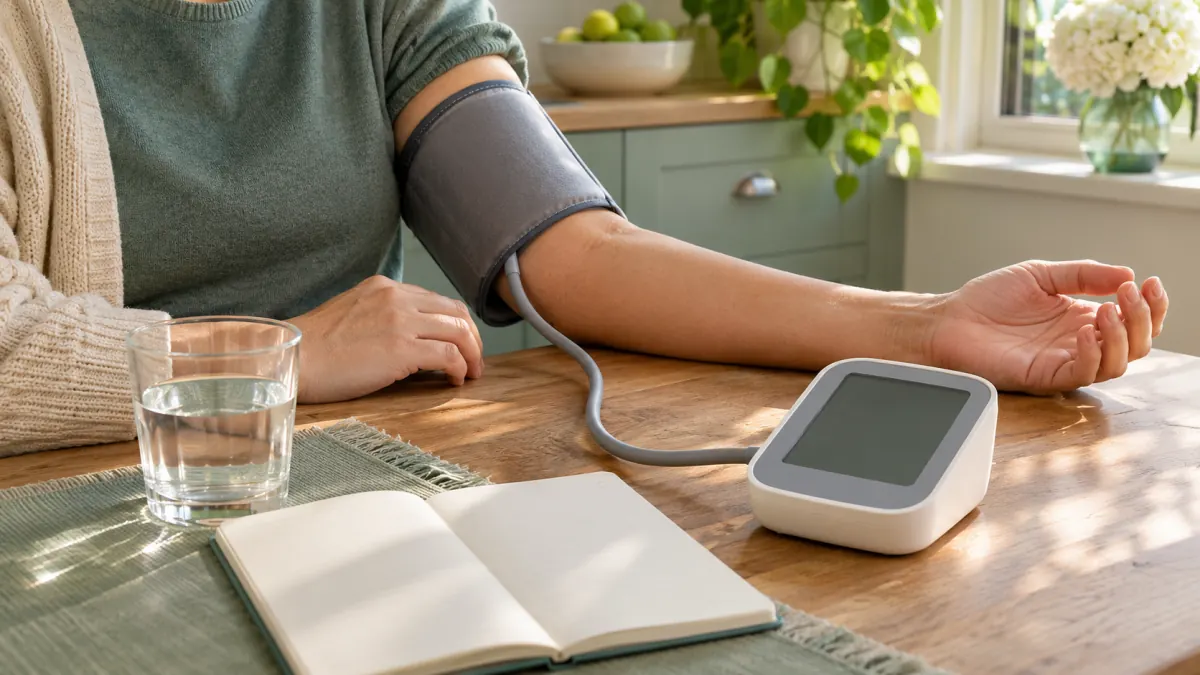
“I’d know if my blood pressure was high. I’d feel it.” That is probably the most common belief we gently correct in the exam room, and it is also one of the most dangerous. High blood pressure, or hypertension, almost never causes symptoms. People walk around for years feeling perfectly well while the extra force inside their arteries quietly strains the heart, kidneys, brain, and eyes. That is why it earned the nickname “the silent killer,” and why a simple cuff on the arm is one of the most valuable checks in all of medicine.
The good news is that hypertension is very treatable. With accurate measurement, steady lifestyle changes, and medication when it is needed, most people bring their numbers into a healthy range and keep them there. This article covers what the numbers mean, how to measure at home properly, what you can change yourself, and how ongoing care works for Stouffville patients.
What the numbers mean
A blood pressure reading has two numbers, written like 128/82.
- Systolic (the top number) is the pressure in your arteries when the heart beats.
- Diastolic (the bottom number) is the pressure between beats, when the heart relaxes.
Both are measured in millimetres of mercury (mmHg). Canadian guidelines use slightly different thresholds depending on where and how the reading is taken, because readings in a clinic often run higher than at home. As a general guide for most adults:
| Setting | Reading generally considered high |
|---|---|
| Home monitoring (average of several days) | 135/85 or higher |
| Automated office reading (taken alone, unattended) | 135/85 or higher |
| Standard office reading | 140/90 or higher |
| People with diabetes (target differs) | Your doctor will set a lower goal, often below 130/80 |
Your own target may be different depending on your age, other health conditions, and overall cardiovascular risk. That conversation belongs with your doctor, but knowing these rough benchmarks helps you understand your log.
Why it matters even when you feel fine
Elevated pressure damages the inner lining of blood vessels over time. That damage contributes to:
- Heart attack and heart failure
- Stroke, including small “silent” strokes that affect memory
- Chronic kidney disease
- Vision problems from damage to the retina
- Peripheral artery disease, causing leg pain when walking
Hypertension rarely acts alone. It often travels with high cholesterol, type 2 diabetes, excess weight, smoking, and a family history of heart disease. Each additional risk factor multiplies the effect, which is why your doctor may also suggest cholesterol monitoring and blood sugar testing as part of the same picture.
Who should be checking
Every adult should have their blood pressure checked at least once a year at a regular health visit, and more often if previous readings were borderline. You are more likely to develop hypertension if you:
- Are over 40 (risk rises steadily with age)
- Have a parent or sibling with high blood pressure
- Carry extra weight, particularly around the waist
- Eat a diet high in sodium and processed food
- Drink alcohol regularly
- Are physically inactive
- Have diabetes, kidney disease, or sleep apnea
- Are of African or South Asian descent, groups that face higher rates
Pregnancy can also bring blood pressure problems that need close attention, so readings at every prenatal visit are important.
Measuring at home the right way
Home monitoring is one of the most useful tools you have. It avoids “white coat” readings, where nerves in the clinic push numbers up, and catches “masked” hypertension, where office readings look fine but home readings are high. But a home reading is only as good as the technique behind it.
Choosing a monitor
Look for an automated upper-arm monitor (wrist and finger devices are generally less reliable) that has been validated for accuracy. Hypertension Canada has a recommended-devices program, and many pharmacies in and around Stouffville can help you choose one and check that the cuff fits. Cuff size matters: a cuff that is too small reads falsely high, and one that is too large reads falsely low. Measure around the middle of your upper arm and match it to the cuff range printed on the package.
Step by step
- Prepare. Avoid caffeine, exercise, and smoking for at least 30 minutes beforehand. Empty your bladder.
- Sit properly. Use a chair with back support, feet flat on the floor, legs uncrossed. Rest your arm on a table so the cuff sits at heart level.
- Bare the arm. Place the cuff directly on skin, not over a sweater sleeve, about two finger-widths above the bend of your elbow.
- Rest quietly. Sit for five minutes without talking, scrolling, or watching the news.
- Take two readings one minute apart, and record both.
- Repeat twice daily. Measure in the morning before medications and breakfast, and again in the evening, for seven days in a row.
- Average the results. Doctors usually discard the first day and average the rest. Bring the full log or the monitor itself to your appointment.
A single high number on its own rarely means much. The pattern across a week is what guides decisions.
When a home reading needs urgent attention
If you get a reading of 180/110 or higher, sit quietly for a few minutes and recheck. If it is still that high and you have no symptoms, contact your doctor that day or call Health811 for advice. If you have a very high reading with symptoms, treat it as an emergency (see the red-flag section below).
Lifestyle changes that genuinely lower blood pressure
These are not soft suggestions. Each one can lower systolic pressure by several points, and together their effect can rival a medication.
Cut the sodium
Most of the sodium Canadians eat comes from processed and restaurant food, not the salt shaker. Bread, deli meats, canned soups, sauces, frozen meals, and takeout are the big contributors. Reading labels and cooking from fresh ingredients more often makes a real difference. Aim for less than 2,000 mg of sodium per day unless your doctor advises otherwise.
Eat more plants
A dietary pattern rich in vegetables, fruit, whole grains, legumes, nuts, and low-fat dairy, sometimes called the DASH approach, lowers blood pressure in its own right. Potassium-rich foods such as leafy greens, beans, and potatoes help balance sodium. People with kidney disease or those on certain medications should check with their doctor before increasing potassium.
Move most days
Aim for at least 150 minutes per week of moderate activity, such as brisk walking, cycling, or swimming. Stouffville makes this easier than many places: the trails around the Stouffville Reservoir and Memorial Park, the paths in Rouge National Urban Park, and the pool and fitness spaces at the Whitchurch-Stouffville Leisure Centre all count. Even a 10-minute walk after dinner is a start.
Reach a healthier weight
Losing even 5 kilograms can noticeably lower blood pressure in people who are overweight. Sustainable changes in eating and activity tend to work better than short, restrictive diets.
Limit alcohol
Heavy drinking raises blood pressure. Cutting back, or stopping, often brings numbers down within weeks.
Stop smoking
Smoking does not cause long-term hypertension in the same way, but it sharply increases the damage high pressure does to your arteries. Quitting is one of the most powerful things you can do for your heart. Your family doctor can discuss medications and supports that make quitting more successful.
Sleep and stress
Untreated sleep apnea, often marked by loud snoring, gasping at night, and daytime sleepiness, is a common and fixable cause of hard-to-control blood pressure. Long-term stress also plays a part. Regular sleep, time outdoors, and whatever helps you unwind all count.
When medication is needed
If your average readings stay above target despite lifestyle changes, or if they are very high to begin with, or if you have diabetes, kidney disease, or existing heart disease, your doctor will likely recommend medication. Some points worth knowing:
- Several drug classes work well. Common first choices include ACE inhibitors, angiotensin receptor blockers, calcium channel blockers, and thiazide-type diuretics. Your doctor will choose based on your other conditions and possible side effects.
- Combinations are common. Many people need two medications, sometimes in a single combined pill, to reach target. This is normal and not a sign of failure.
- Treatment is usually long term. Feeling fine is the goal of treatment, not a reason to stop it. Never stop a blood pressure medication without talking to your doctor.
- Side effects can often be fixed. A cough, ankle swelling, dizziness when standing, or more trips to the washroom are worth reporting. There is usually an alternative.
- Check before adding over-the-counter products. Some cold remedies with decongestants, anti-inflammatory painkillers such as ibuprofen and naproxen, and certain supplements can raise blood pressure or interact with your medication. Ask a pharmacist.
What follow-up looks like
Once a treatment plan is in place, regular visits help confirm it is working and safe. A typical approach includes:
- A recheck within a few weeks of starting or changing medication
- Periodic blood work to check kidney function and electrolytes, especially on certain medications
- An ECG when your doctor wants a look at the heart’s rhythm and strain
- Review of your home readings and any side effects
- Visits every three to six months once stable, depending on your situation
Hypertension is a long-term condition, and it is best managed by a doctor who knows your history. Our high blood pressure management service is built around exactly this kind of steady follow-up.
Red flags: call 911
Very high blood pressure can occasionally cause organ damage that needs immediate treatment. Call 911 right away if a high reading comes with any of the following, or if these symptoms appear on their own:
- Chest pain, pressure, or tightness
- Shortness of breath
- Sudden weakness or numbness of the face, arm, or leg, especially on one side
- Trouble speaking or understanding speech
- Sudden loss of vision or severe blurred vision
- A sudden, severe headache
- Confusion or seizures
Remember the stroke signs with FAST: Face drooping, Arm weakness, Speech difficulty, Time to call 911. Do not drive yourself to the hospital; paramedics can begin treatment on the way.
Can a pharmacy blood pressure machine replace a doctor's visit?
My readings are always higher at the clinic. Is that a problem?
Next steps with our clinic
If you have not had your blood pressure checked in the last year, or your home monitor keeps showing numbers you are unsure about, it is worth a visit. You can book a visit online, and if you are looking for ongoing care, our family doctor page explains how registration requests are reviewed by the clinic team. Bring your home log, your monitor, and a list of your medications, and our Stouffville team will take it from there.
The information here is general in nature and should not replace personalized advice from your health care provider.