After a Hospital Stay in Stouffville: Your Discharge Follow-Up Plan
The first two weeks after leaving hospital are when plans slip. How Stouffville patients and families can sort medications, follow-up visits and warning signs.
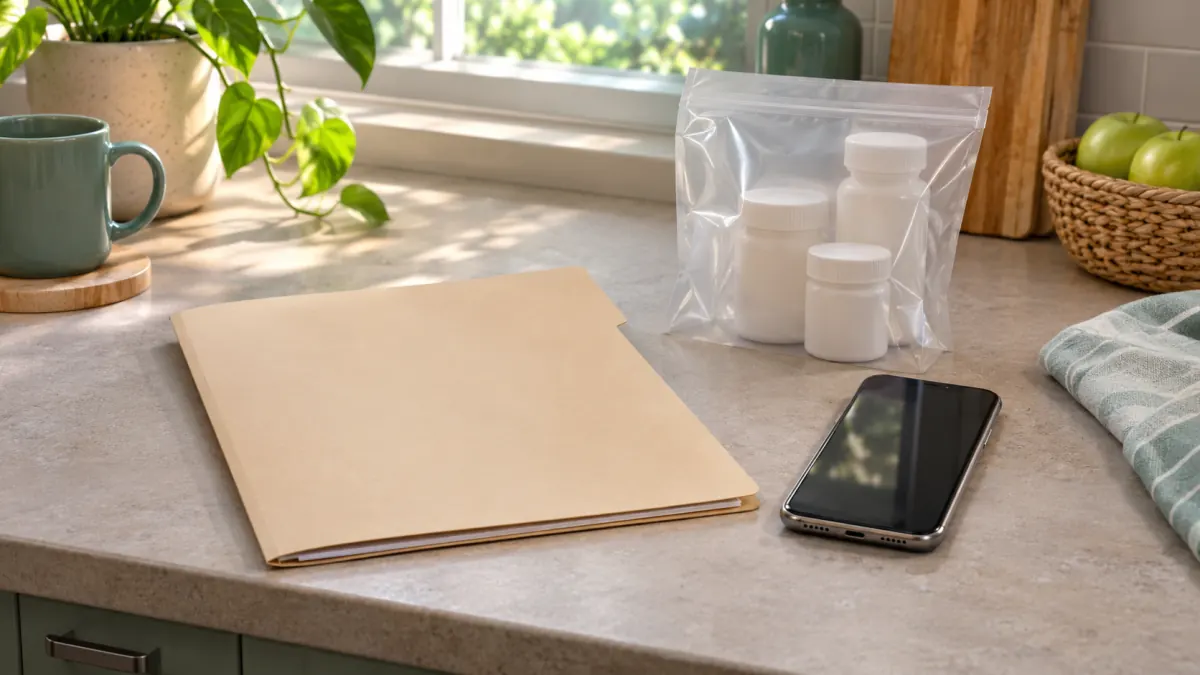
The discharge folder lands on the kitchen counter next to the pharmacy bag, and quite often nobody opens it again until something goes wrong. Inside are the answers to the questions that matter most in the days ahead: which pills changed, when to see a doctor, and which symptoms should send you back. Reading those papers while the hospital stay is still fresh, filling every new prescription, and booking the follow-up visit you were told to arrange sound like obvious steps, yet they are exactly the ones that get lost when someone arrives home tired, sore, and surrounded by well-meaning relatives.
Leaving hospital is a handover. For days or weeks, nurses checked on you, medications appeared on schedule, and tests were ordered by people down the hall. Once you walk out the door, that work shifts to you, your family, your pharmacist and your primary care provider. Research on hospital readmissions consistently finds that the weeks right after discharge are a vulnerable period, often because of medication mix-ups, missed follow-ups or warning signs that were not recognized early. The good news is that much of this is preventable with a bit of organization. This guide is written for patients and caregivers in Stouffville, Ballantrae, Gormley and the surrounding area who want the transition home to go smoothly.
Before you leave the ward
If you are reading this ahead of a planned surgery or while a family member is still admitted, a few questions asked before discharge can save a lot of confusion later. Ask the team:
- What was my diagnosis, in plain language, and what was done?
- Which medications are new, which were changed, and which were stopped?
- Are there test results still pending, and who will follow up on them?
- When should I see my family doctor, and do I need to see a specialist or surgeon too?
- Will someone from home care be in touch, and how?
- What symptoms mean I should call someone, and what symptoms mean I should come back to emergency?
It is perfectly reasonable to ask a nurse to write the answers down. If you are the caregiver, ask whether you can be present when discharge instructions are given.
The discharge summary: what it is and why it matters
Most Ontario hospitals prepare a discharge summary describing why you were admitted, what was found, what treatments you received, and what the plan is now. Hospitals often send a copy electronically to the family doctor listed in their records, but delivery is not always immediate, and the doctor on file may not be current. The safest approach is to keep your own copy, along with any printed instructions, and bring them to your follow-up appointment.
If you were not given paperwork, or you have lost it, the hospital’s health records department can usually help you request a copy.
Medications: the most common source of trouble
Medication changes are the single biggest risk after a hospital stay. In hospital, doses may have been adjusted, new drugs added, or regular pills held for a time. At home, you might have old bottles in the cupboard that no longer match the plan.
A simple way to reconcile your medications
- Gather everything you take: prescriptions, over-the-counter pills, inhalers, eye drops, creams, vitamins, herbal products and supplements.
- Compare it with the discharge medication list. Mark each item as continue, new, changed dose, or stop.
- Set aside stopped medications in a separate bag so they are not taken by accident. Your pharmacy can dispose of them safely.
- Ask your pharmacist to review the list. Ontario pharmacists can do a medication review, and in many cases this service (called MedsCheck) is publicly funded for eligible patients. They can spot duplicates and interactions.
- Bring the whole bag to your follow-up visit. Seeing the actual bottles is often more useful to a doctor than a list.
Watch especially for blood thinners, insulin and other diabetes medications, heart and blood pressure pills, opioid pain medications, and anything that causes drowsiness. These have the greatest potential for harm when doses are wrong. For a deeper look at reviewing a long medication list, see our post on medication reviews.
Pain medication after surgery
If you were sent home with opioid pain medication, use the lowest dose that lets you move and sleep, and taper as your pain improves. Do not drive or drink alcohol while taking it, store it out of reach of children and visitors, and return unused tablets to a pharmacy. Constipation is common; ask whether you should be taking a stool softener or laxative alongside it.
Booking the follow-up appointment
Many discharge plans ask you to see your primary care provider within about one to two weeks, sometimes sooner for conditions like heart failure, a COPD flare or a serious infection. Some patients also need a separate visit with the surgeon or specialist who treated them in hospital; that office normally contacts you or gives you a number to call.
The primary care visit is different from the specialist visit. Your family doctor’s job is to pull the threads together: confirm the medication plan, check how you are recovering, look at pending results, and make sure each specialist’s recommendations fit with the rest of your health. A dedicated follow-up appointment is the right type of visit to book.
What to bring
| Bring | Why |
|---|---|
| Discharge summary and instructions | Gives the doctor the hospital’s findings and plan |
| All medications, in their containers | Allows a full medication check |
| Your health card | Required for OHIP-covered visits |
| A list of questions | Easy to forget once you are in the room |
| A caregiver, if possible | A second set of ears for instructions |
| Blood pressure, blood sugar or weight logs | Useful if you were asked to monitor these at home |
If you do not have a family doctor
Many people in Stouffville and across York Region are still waiting for a family physician, and discharge is often when that gap becomes painfully obvious. You can ask the clinic about family doctor registration, which is reviewed by the clinic team, and in the meantime a walk-in or virtual appointment can cover the essential post-discharge check. Tell the receptionist you are recently discharged so the visit can be booked appropriately.
Help at home
Some people go home with support already arranged. In Ontario, publicly funded home and community care, such as nursing visits for wound care or IV antibiotics, physiotherapy, or personal support, is coordinated through Ontario Health atHome. If a referral was made before discharge, someone should contact you to set up the first visit. If nobody has called within the time you were told, phone the number on your paperwork.
Practical preparation at home also helps:
- Set up a bedroom on the main floor for a while if stairs are difficult.
- Clear tripping hazards such as loose rugs and cords.
- Put a night light between the bed and bathroom.
- Arrange help with groceries, meals and driving for the first week or two.
- Keep a small notebook by the bed to record symptoms, temperature, pain levels and questions.
Falls are a real risk after a hospital stay, particularly for older adults who have lost strength while lying in bed. Moving a little each day, as advised by your team, helps rebuild strength.
Warning signs that need action
Your discharge papers should list warning signs specific to your condition. Keep them on the fridge. In general:
Call 911 for:
- Chest pain or pressure, or sudden severe shortness of breath.
- Signs of stroke: face drooping, arm weakness, speech difficulty.
- Fainting, or confusion that comes on quickly.
- Heavy bleeding that does not stop with pressure.
Go to emergency or call the hospital ward or surgical team the same day for:
- A fever, especially after surgery or if you were treated for an infection.
- A wound that is increasingly red, hot, swollen, leaking pus, or opening up.
- Calf pain or swelling in one leg, which can signal a blood clot.
- Vomiting that prevents you from keeping down fluids or medications.
- Inability to pass urine, or no bowel movement with a swollen, painful abdomen.
- Pain that is getting worse instead of better despite medication.
The nearest emergency departments to Stouffville are at Markham Stouffville Hospital in Markham and Uxbridge Hospital. If you are unsure whether something is urgent, Health811 (call 811) offers free advice from a registered nurse around the clock.
The emotional side of coming home
Many people feel more anxious at home than they expected. In hospital, help was a button away. At home, every twinge raises the question of whether something is wrong. Fatigue, low mood, poor sleep and trouble concentrating are common for a few weeks after an illness, particularly after an ICU stay or major surgery. Mention these at your follow-up; they are part of recovery, and support is available. If low mood becomes overwhelming or you have thoughts of harming yourself, call or text 9-8-8 at any time, or call 911 in an emergency.
For caregivers
In a lot of Stouffville households, one adult child or spouse ends up as the coordinator. Caregivers often carry the medication list, the appointments, the meals and the worry all at once. It is fine to ask relatives or neighbours for specific help, such as driving to a follow-up or picking up prescriptions. Make sure you know how to reach the home care coordinator and the clinic, and keep your own health appointments too.
How soon after discharge should I see a doctor?
Can my follow-up be done virtually?
Who removes stitches or staples after surgery?
Your post-hospital check at HealthSmart
HealthSmart Medical Clinic at 208-5892 Main Street in Stouffville sees patients after hospital stays for medication checks, wound reviews, stitch and staple removal, and ongoing care for conditions such as diabetes, heart disease and COPD. You can book a follow-up visit online, or contact the clinic at 905-642-6300 if you are unsure which type of appointment you need. Because hours may change, check the location page before heading over. Bring your discharge papers and medications, and we will help you pick up where the hospital left off.
The information here is general in nature and does not replace the specific discharge instructions given by your hospital care team.