Impetigo in Stouffville: Crusty Sores, School Rules and Treatment
Impetigo spreads easily among kids at camp, daycare and school. How to spot the honey-coloured crusts, treat them and stop them spreading in a Stouffville home.
Sticky heat, bare legs, scraped knees and a fresh crop of mosquito bites: the conditions that make summer fun for kids are exactly the ones skin bacteria enjoy too. That’s why impetigo, one of the most common skin infections in children, shows up most often in the warm, humid stretch of the year, when a scratched bite on a chin or a raw patch under a runny nose can turn, within days, into an oozing spot topped with a crust the colour of dried honey. It’s a regular visitor to Stouffville homes, day camps and splash pads whenever the weather turns muggy.
Impetigo isn’t dangerous for most people, and it usually clears quickly with the right treatment. It is, however, very contagious, which is why it matters to recognize it, treat it and take a few simple steps to keep it from making the rounds of the household, the classroom or the hockey team.
What causes impetigo
Impetigo is a bacterial infection of the top layers of the skin. Two bacteria are responsible for nearly all cases:
- Staphylococcus aureus (“staph”), the most common cause in Canada
- Streptococcus pyogenes (group A strep), the same germ that causes strep throat
Both commonly live on the skin or in the nose without causing problems. When the skin barrier breaks, through a scratch, insect bite, eczema patch, cold sore, chickenpox blister or even a runny nose rubbing the upper lip raw, the bacteria get in and multiply.
Impetigo is most common in children between about two and five, but it can happen at any age. Warm, humid weather, crowded settings, close-contact sports such as wrestling, and skin conditions like eczema all increase the risk.
Recognizing it
There are two main forms.
Non-bullous impetigo (the common type)
This makes up most cases. It typically:
- Starts as a small red spot or a cluster of tiny blisters
- Breaks open quickly and oozes clear or yellowish fluid
- Dries into the characteristic golden or honey-coloured crust
- Often appears around the nose and mouth, but can show up on the hands, arms, legs or anywhere the skin has been broken
- Is itchy rather than painful, although it can be a little sore
- Spreads to nearby skin and to other parts of the body through scratching
Bullous impetigo
Less common, and caused by staph strains that produce a toxin. It shows:
- Larger, floppy blisters filled with clear or cloudy fluid
- Blisters that burst and leave a thin, shiny, yellow-brown crust or a raw-looking red base
- A preference for the trunk, arms, legs, diaper area and skin folds
- It’s more common in babies and young children
Some children also develop slightly swollen lymph nodes near the infection. Fever and feeling unwell are not typical of simple impetigo and suggest something more may be going on.
Things that can look similar
Several other conditions can be mistaken for impetigo, and the reverse is true too. A doctor can usually tell the difference by looking, but here’s a quick comparison:
| Condition | How it tends to differ |
|---|---|
| Cold sores (herpes simplex) | Small, grouped blisters on the lip edge, often with tingling first; recur in the same spot |
| Eczema flare | Dry, itchy, scaly patches in typical places like elbow creases; can become infected with impetigo on top |
| Ringworm (fungal infection) | Ring-shaped with a scaly edge and clearer centre, slowly expanding |
| Insect bites | Itchy bumps, often in groups, without honey-coloured crusts unless scratched and infected |
| Chickenpox | Many itchy spots at different stages all over the body, usually with fever |
| Abscess or boil | A painful, tender lump under the skin with pus, rather than a surface crust |
Children with eczema deserve special mention. Their skin cracks easily, and an eczema flare that suddenly weeps, crusts or worsens despite usual care can be infected. If that sounds familiar, our post on eczema and dry skin has more on keeping the skin barrier strong.
How impetigo is treated
Very small, localized patches sometimes clear on their own over a couple of weeks, but treatment speeds healing and reduces spread, so most cases are treated.
Gentle cleaning
Before applying any treatment, soften and gently remove loose crusts with warm water and a mild soap, then pat dry with a clean towel or paper towel. You don’t need to scrub hard or pick off crusts that are firmly stuck.
Prescription antibiotic cream or ointment
For limited impetigo, a prescription topical antibiotic, such as fusidic acid or mupirocin, applied a few times daily for about five to seven days is usually effective. Over-the-counter antibiotic ointments are generally less effective for impetigo and aren’t the best choice.
Oral antibiotics
A doctor may recommend antibiotics by mouth when:
- The infection is widespread or has many patches
- There are large blisters (bullous impetigo)
- Topical treatment hasn’t worked
- Several people in the household have it
- There are signs that the infection is going deeper
Following through
Finish the course as prescribed, even once the crusts start to fade. Most impetigo looks much better within a few days and heals in about a week to ten days. It usually doesn’t scar, although the skin may stay pinker or a little lighter or darker for a while.
If the patches aren’t clearly improving after about three days of treatment, or new ones keep appearing, follow up. Sometimes a swab is taken to check which bacteria are present and which antibiotic will work, particularly when resistant staph is a concern.
Stopping the spread at home
Impetigo spreads through direct contact with the sores and through shared items like towels, pillowcases and clothing. A few habits make a big difference:
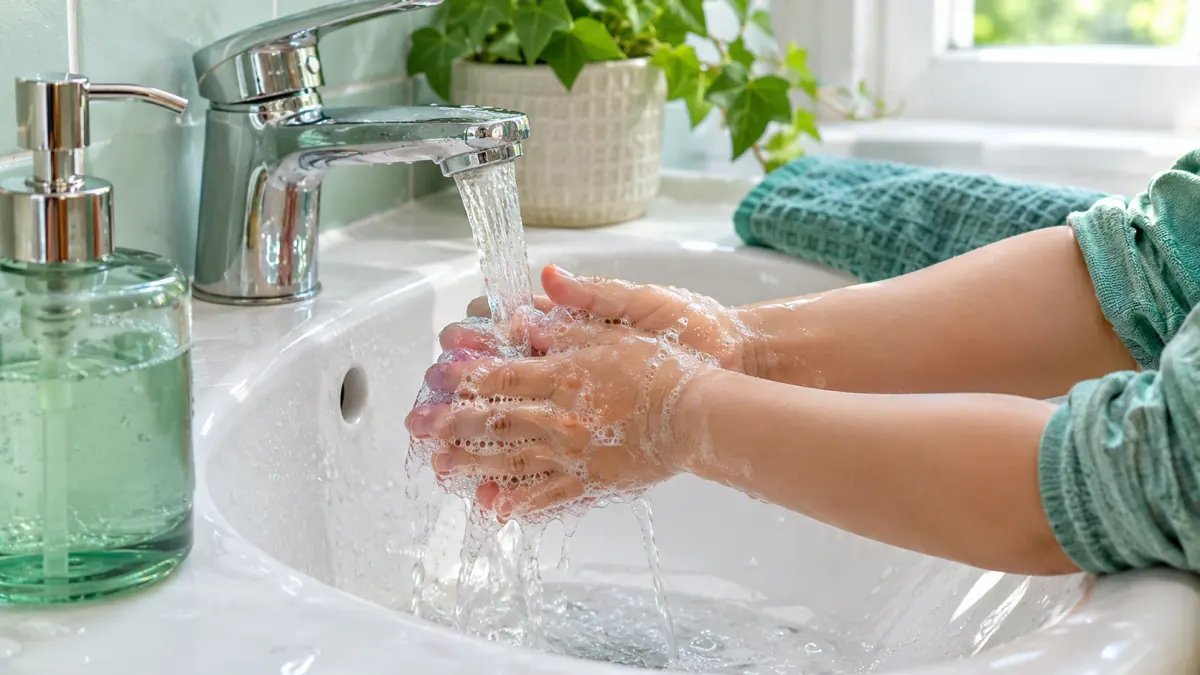
- Wash hands often, especially after touching the rash or applying cream. Help young children do the same.
- Keep nails short so scratching does less damage and carries fewer bacteria.
- Cover sores loosely with gauze or a light bandage when practical, particularly for daycare or school.
- Use separate towels and washcloths for the affected person, and wash them in hot water.
- Change and wash pillowcases, sheets and clothing that have touched the sores.
- Clean toys and shared surfaces with regular household cleaner.
- Don’t share razors, sports gear, hairbrushes or makeup.
- Check other family members for new spots over the next week or two.
In busy Stouffville households where siblings share bathrooms, bunk beds and bath time, these steps are what usually keep one child’s impetigo from becoming everyone’s.
Daycare, school, camp and sports
Children with impetigo are generally advised to stay home until they’ve been on antibiotic treatment for at least 24 hours, or until the sores have crusted and are healing if they’re not being treated. Policies differ between daycares, schools and camps around Stouffville, so check with yours. Athletes in contact sports, including hockey, wrestling and martial arts, may need to sit out until the sores are healed or reliably covered, according to their league’s rules. If an organization asks for a note confirming treatment, notes for school or activities may not be covered by OHIP, so ask the clinic.
When it’s more than a simple skin infection
Impetigo rarely causes serious problems, but watch for:
- Spreading redness, warmth, swelling or pain in the surrounding skin, which may mean the infection has moved deeper (cellulitis)
- Fever, chills or a child who seems unwell
- Red streaks running from the area
- Sores that become deep, punched-out ulcers (a deeper form called ecthyma)
- Infection in a newborn or very young baby
- Large areas of peeling or blistering skin, especially with fever, which needs urgent assessment
- Swelling of the face or legs, dark or cola-coloured urine, or much less urine than usual in the weeks after a strep-related skin infection; a rare kidney complication can follow strep infections and needs prompt medical attention
For a baby with fever and a spreading rash, or any child who seems very sick, seek emergency care at Markham Stouffville Hospital or Uxbridge Hospital, or call 911 if they’re struggling to breathe or hard to wake.
Reducing the chance of a repeat
Some children get impetigo again and again. Helpful habits include:
- Cleaning cuts, scrapes and bug bites promptly with soap and water
- Discouraging scratching of bites, using cool compresses and short-term anti-itch measures if needed
- Keeping eczema well controlled with regular moisturizer and the treatment plan from your doctor
- Treating nose-picking as a skin issue, not just a manners issue, since bacteria often live in the nose
- Talking to your doctor if infections keep returning; sometimes the household is screened or a decolonization approach is discussed
Quick answers
Can adults get impetigo?
Is impetigo a sign of poor hygiene?
Can we go swimming?
Having a sore checked at our clinic
If you notice crusty, oozing spots that seem to be spreading, our physicians can confirm whether it’s impetigo and prescribe treatment. Book an appointment online, or use our walk-in clinic when available; hours can change, so the location page has current information. We also see children for a wide range of childhood illnesses, including rashes and skin infections, for families across Stouffville, Ballantrae and the surrounding area.
This article is general information for Stouffville families and shouldn’t be used in place of medical advice for your own child.