Kidney Stones in Stouffville: Surviving the Pain and Stopping the Next One
Kidney stones bring sudden flank pain and often return. How Stouffville patients can manage a passing stone, spot emergency signs and cut the risk of another.
People who have both given birth and passed a kidney stone are sometimes asked which hurt more, and a surprising number pick the stone. That comparison is not scientific, and pain is personal, but it captures something real: a stone moving down the narrow tube from the kidney to the bladder can produce some of the most intense pain a person ever feels, often coming in waves, often out of nowhere, and frequently in the middle of the night. The good news is that most stones pass on their own with time, fluids and good pain control. The less welcome news is that once you have had one, the chance of another within the next several years is substantial. Summer, with its heat and sweating, is a classic season for stones, which makes July a sensible time to talk about both halves of the problem: getting through an attack, and preventing the next.
What a kidney stone actually is
Urine carries dissolved minerals and salts out of the body. When urine is concentrated, or when certain substances are present in excess, those minerals can crystallize and clump together into a hard stone. Stones range from grains of sand to, occasionally, golf-ball size.
The most common types:
- Calcium oxalate stones make up the majority. They are linked to concentrated urine, high salt intake, certain foods and some medical conditions.
- Calcium phosphate stones are associated with some metabolic and kidney conditions.
- Uric acid stones are more common in people with gout, diabetes, obesity or a diet very high in animal protein.
- Struvite stones form in association with certain urinary infections.
- Cystine stones are rare and caused by an inherited condition.
Knowing the type matters for prevention, which is why your clinician may ask you to catch a stone if you pass it.
Who is more likely to get them
- People who have had a stone before
- Those with a family history of stones
- People who do not drink enough fluid, or who lose a lot through sweat, such as outdoor workers, athletes and anyone spending long, hot days in the garden or on an outdoor job site in and around Stouffville
- People with high blood pressure, diabetes, obesity or gout
- Those with certain bowel conditions or previous bowel or weight-loss surgery
- People taking certain medications or supplements, including high-dose vitamin C
Recognizing a stone
A stone sitting quietly in the kidney often causes no symptoms. Trouble usually starts when it moves into the ureter, the narrow tube leading to the bladder, and partly blocks it.
Typical features:
- Sudden, severe pain in the side or back, just below the ribs, often spreading to the lower abdomen or groin
- Pain that comes in waves and makes it impossible to sit still; people often pace or shift constantly
- Nausea and vomiting
- Blood in the urine, which may be pink, red or brown, or only seen on a lab test
- A frequent or urgent need to urinate, or burning when the stone is near the bladder
Some of these symptoms overlap with other problems, including bladder infections, appendicitis, gallbladder disease, ovarian problems and, in older adults, an abdominal aortic aneurysm. A first episode of severe flank pain therefore always deserves a proper assessment.
Emergency warning signs
Go to the emergency department (Markham Stouffville Hospital or Uxbridge Hospital for most of us in Stouffville) or call 911 if you have kidney stone symptoms along with any of the following:
- Fever or chills. A stone blocking an infected kidney is a medical emergency that can lead to sepsis. It needs urgent drainage and antibiotics, not watchful waiting.
- Pain that cannot be controlled with the medication you have at home
- Vomiting that stops you keeping down fluids or medication
- Very little or no urine output
- You have only one kidney, a kidney transplant or significant kidney disease
- You are pregnant
- You are over about 60 and this is your first episode of severe flank or abdominal pain, especially if you feel faint
If you are unsure, Health811 (dial 811) can help you decide where to go.
How a stone is diagnosed
At a clinic or emergency visit, the clinician will ask about the pain, examine your abdomen and back, and usually check a urine sample for blood and signs of infection. Blood work may assess kidney function and look for infection.
Imaging confirms the diagnosis and shows the stone’s size and position. A low-dose CT scan is the most accurate test, while ultrasound avoids radiation and is often used in pregnancy, in younger people and for follow-up. If you are seen at a clinic rather than a hospital, your clinician can arrange these through a diagnostic imaging referral.
Passing a stone: what to expect
Size is the biggest predictor of whether a stone will pass on its own. Many stones under about 5 millimetres pass without intervention, often within a few weeks. Larger stones are less likely to pass and are more likely to need a procedure.
Here is how managing a passing stone at home usually works, once a clinician has confirmed it is safe to do so:
- Pain control. Anti-inflammatory medications are often the first choice, when they are safe for you, and other medications may be added. Take them as directed and on schedule rather than waiting for pain to peak.
- Medication to help passage. For some stones in the lower ureter, a medication that relaxes the ureter muscle may be prescribed to help the stone move along.
- Steady fluids. Drink enough to keep urine pale, but there is no need to force huge volumes, which does not push a stone out faster and can worsen discomfort.
- Straining your urine. Urinate through a fine strainer or a coffee filter to catch the stone so it can be sent for analysis.
- Follow-up. If the stone has not passed in the expected time, or symptoms change, you may need repeat imaging and a urology referral.
When a procedure is needed
A specialist referral to a urologist is usually made for large stones, stones that are not moving, recurrent infections or frequent episodes. Common procedures include shock wave lithotripsy, which breaks the stone up from outside the body, and ureteroscopy, where a thin scope is passed up the urinary tract to remove or break up the stone. Very large kidney stones may require other approaches.
Prevention: the part that pays off for years
Once you have had a stone, prevention deserves real attention. Many people can cut their risk considerably with a handful of habits. If your stone was analyzed, your clinician can tailor advice to its type; the general measures below help most people.
Drink more, and spread it out
The single most important step is producing plenty of urine. Many people with stones are advised to aim for about 2.5 litres or more of urine output a day, which typically means drinking more than that, and more again on hot days or during exercise. A practical check: your urine should look pale yellow, not dark. Keep a water bottle at your desk, in the car and in your bag on a walk around the Stouffville Reservoir trails.
Cut back on salt
High sodium intake increases the amount of calcium in the urine. Processed foods, deli meats, takeout, canned soups and salty snacks are the main sources, far more than the salt shaker.
Do not cut out dietary calcium
This surprises many people. For calcium oxalate stones, getting a normal amount of calcium from food actually lowers risk, because calcium binds oxalate in the gut before it reaches the kidneys. Dramatically reducing dairy or other calcium-rich foods can backfire. Calcium supplements are a different matter; discuss them with your clinician.
Be sensible with oxalate and animal protein
Foods very high in oxalate include spinach, rhubarb, beets, nuts and some teas. You may not need to avoid them entirely, but pairing them with a calcium source at the same meal helps. Large portions of meat, poultry and fish can raise the risk of both calcium and uric acid stones.
Citrus can help
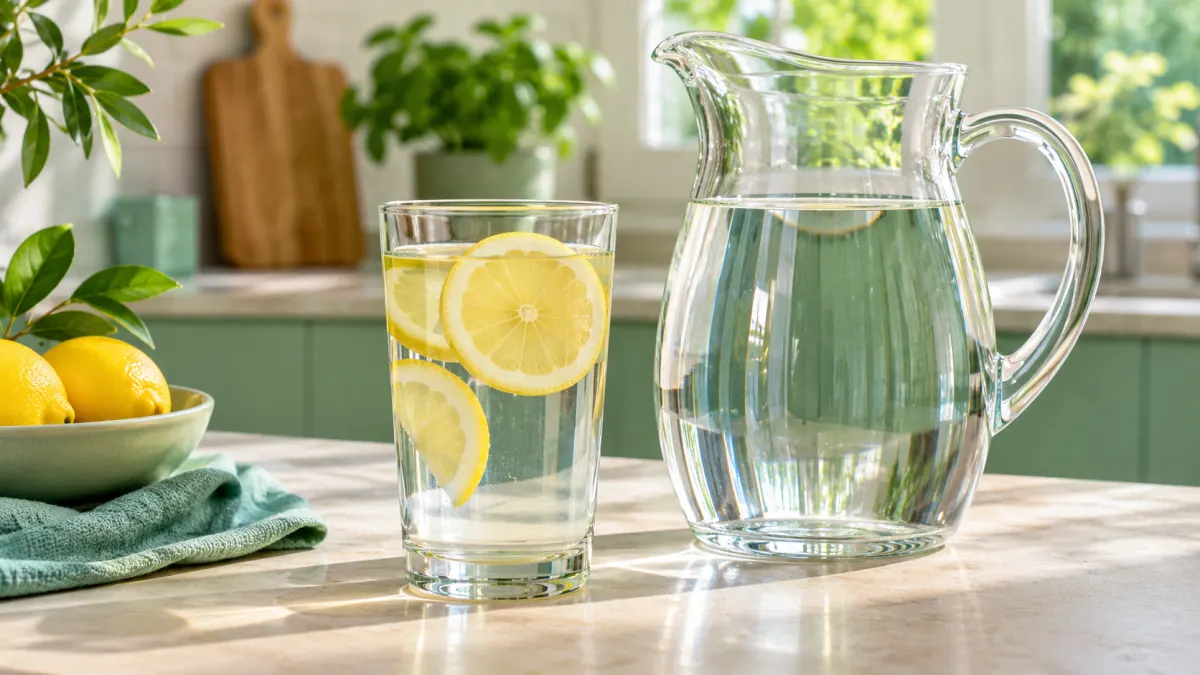
Citrate in urine helps block stone formation. Some people add lemon or lime juice to water, and some are prescribed citrate supplements based on urine testing.
Get tested if stones keep coming back
People with recurrent stones, a strong family history or other risk factors may be offered blood tests and a 24-hour urine collection to look for specific metabolic causes. These are arranged through laboratory testing referrals. The results can guide targeted diet changes or medications.
Stones and chronic kidney health are related but different topics. If you also have diabetes or high blood pressure, our article on kidney health explains the simple tests that track how well your kidneys are filtering over time.
Can I wait out kidney stone pain at home?
Does drinking cola or coffee cause stones?
Getting help for stone pain on Main Street
If you think you may have had a kidney stone, have blood in your urine, or want a prevention plan after an emergency visit, the team at HealthSmart Medical Clinic in Stouffville can help. Book an appointment or call 905-642-6300. Remember that hours may shift, so check our location page first, and go straight to emergency for the warning signs listed above.
This post shares general information for Stouffville readers and does not replace a personal medical assessment.