March Break Travel Health in Stouffville: A Family Planning Guide
Heading south or overseas this March Break? A Stouffville family guide to vaccines, medications, kids' sun and bug protection, insurance and when to see us.
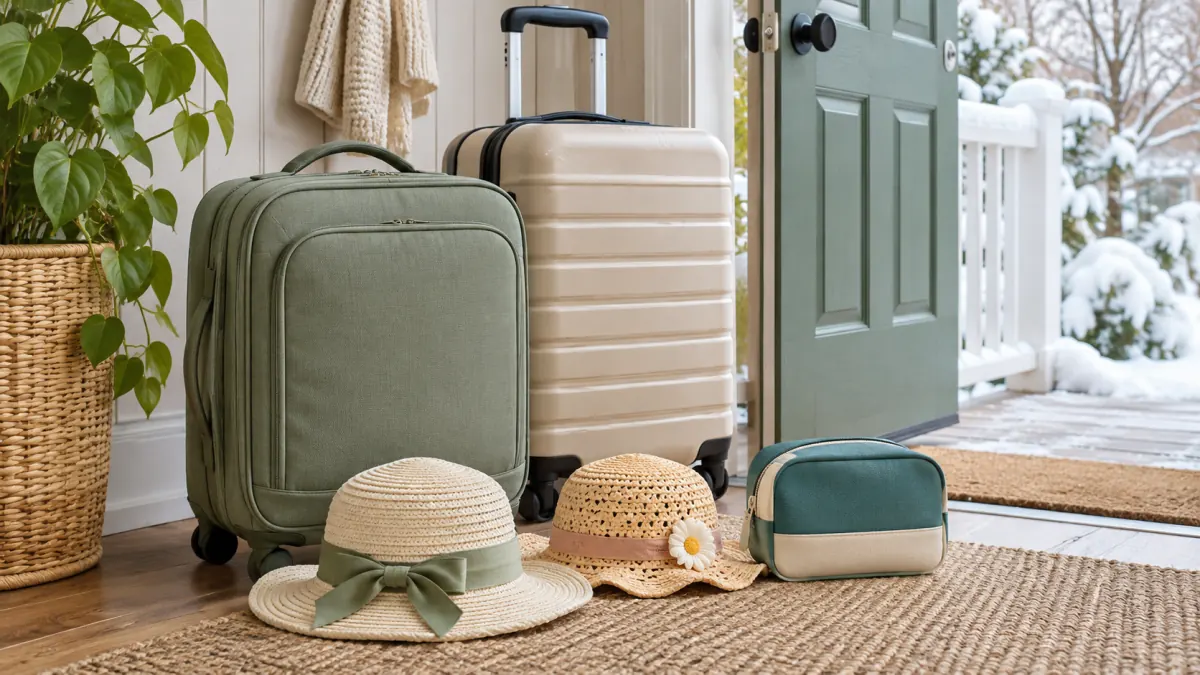
What most families get wrong about March Break travel is not the packing list. It is the timing. The swimsuits, the sunscreen and the chargers all make it into the suitcase, but the health side of the trip tends to get squeezed into the last few days before the flight, when vaccines may not have time to work, prescriptions are running low and nobody has looked at the travel insurance fine print. A week in the sun is meant to be a break from a long Ontario winter. A little planning in late February or early March keeps it that way.
This guide walks through the health questions Stouffville families most often bring to a pre-trip visit: what to sort out first, what to pack, how to protect children from sun, bugs and water, and what to watch for once you are home and back to slush on Main Street. It is general advice, not a destination briefing.
Start with a simple timeline
Ideally, travel health planning begins four to eight weeks before departure. Some vaccines need a couple of weeks to build protection, and a few are given as a series. March Break dates are fixed by the school calendar, so it is easy to work backward.
| When | What to do |
|---|---|
| 6 to 8 weeks before | Book a pre-travel visit if you are leaving North America, travelling with a baby, pregnant, or managing a chronic condition |
| 4 weeks before | Check everyone’s routine vaccines, start any recommended travel vaccines, refill prescriptions |
| 2 weeks before | Buy travel insurance, confirm it covers everyone and any pre-existing conditions, print documents |
| 1 week before | Pack the health kit, put medications in carry-on luggage, review what to do if someone gets sick |
| After you return | Watch for fever, diarrhea, rashes or breathing symptoms, and mention your trip to any clinician you see |
If you are reading this with a flight in a few days, do not give up on a visit. A last-minute appointment can still update routine shots, cover food and water safety, and help you pack smart.
Routine vaccines come first
Before anyone thinks about travel-specific shots, it is worth confirming that the whole family is up to date on routine immunizations. Measles is the classic example. It spreads extremely easily, it continues to circulate in many parts of the world, and airports and flights bring large numbers of people together. Two documented doses of a measles-containing vaccine give strong protection.
A few points that often surprise parents:
- Babies between 6 and 12 months who are travelling outside Canada can usually receive an early dose of measles vaccine. This extra dose does not replace the routine doses later; it bridges the gap.
- Adults born in or after 1970 may not have had two doses, especially if they grew up somewhere with a different schedule. If you are unsure, it is worth checking.
- Tetanus and diphtheria boosters are due every ten years for adults. Busy holidays come with scraped knees and cut feet.
- Seasonal flu and COVID-19 vaccines are still relevant in early spring, and the flu season in some destinations runs on a different calendar from ours.
If your children’s records are incomplete, or the family moved to Stouffville from another country, our routine immunizations service can help sort out what is missing. York Region Public Health also keeps school immunization records for children in the region.
Travel-specific vaccines and medications
Whether you need more than routine shots depends on where you are going, how long you will stay, what you will be doing and where you will sleep. An all-inclusive resort is different from staying with relatives in a smaller town, and a cruise is different again. Hepatitis A and typhoid vaccines are among the more common recommendations for trips to parts of the Caribbean, Mexico, Central and South America, Asia and Africa, but the right list is individual.
Our earlier post on travel vaccinations in Stouffville covers the main vaccines and how far in advance to get them. A few general notes for families:
- Many travel vaccines may not be covered by OHIP. Ask the clinic about this when you book, and check whether your workplace benefits include any coverage.
- Some destinations have malaria risk or require proof of yellow fever vaccination, and these need planning well before departure.
- Bring each traveller’s vaccination record to the appointment, including any booklets from other countries.
For a fuller conversation about an itinerary, a travel health assessment looks at each family member’s age, health and plans together.
The family travel health kit
A small, well-stocked pouch saves a lot of time hunting for a pharmacy in an unfamiliar place, often with a crying child in tow. Keep it in your carry-on.
Medications and basics
- Each person’s prescription medications, in original labelled containers, with enough to cover a few extra days in case of delays
- A written list of medications, allergies and key health conditions for each traveller
- Acetaminophen and ibuprofen in age-appropriate forms and strengths, along with the dosing device
- Oral rehydration salts
- An antihistamine suitable for each age, if your clinician agrees
- Any rescue inhalers, epinephrine auto-injectors or other emergency medications, with spares
First aid
- Adhesive bandages, gauze, tape and blister pads
- Antiseptic wipes and a small tube of antibiotic ointment
- Tweezers and a digital thermometer
- Hand sanitizer
Sun and bugs
- Broad-spectrum sunscreen, SPF 30 or higher, water-resistant
- Lip balm with SPF
- Insect repellent appropriate for each child’s age
- Aloe or a soothing after-sun lotion
If you carry injectable medications or needles, a note from your clinician can make security checks smoother.
Protecting kids in the sun
Late-winter skin has not seen strong sun in months, and the UV index near the equator can be far higher than anything a Stouffville February offers. Children burn quickly, and sunburn is one of the most common reasons a holiday day gets lost.
- Use a broad-spectrum, water-resistant sunscreen of SPF 30 or higher. Apply generously about 15 to 20 minutes before going out and reapply at least every two hours, and after swimming or towelling off.
- Babies under six months should be kept out of direct sun as much as possible, using shade, light clothing and wide-brimmed hats rather than relying on sunscreen.
- Rash guards, hats with neck flaps and UV-protective sunglasses do a lot of the work for you.
- Plan pool and beach time around the midday peak when you can.
- Offer water often. Children may not say they are thirsty until they are already flagging.
Heat illness can sneak up on a family that has spent the winter indoors. Headache, unusual tiredness, dizziness or nausea after a long day outside are signals to get into shade, cool down and drink fluids.
Bugs, water and other holiday hazards
Insect bites
In many warm destinations, mosquitoes can carry infections such as dengue, which has no simple vaccine option for most travellers. Protecting against bites is the main defence.
- Use a repellent containing DEET or icaridin. Health Canada sets age-based limits on DEET concentration and how often it can be applied to children, so read the label carefully. Icaridin is an option for children six months and older.
- Do not use insect repellent on babies under six months; use netting over strollers and cribs instead.
- Apply sunscreen first, then repellent.
- Light-coloured long sleeves and pants help at dawn and dusk.
Food and water
Stomach upsets are the most common travel illness of all. Our guide to travellers’ diarrhea and typhoid explains how to eat and drink sensibly and what to pack. For children, the key worry is dehydration, so oral rehydration salts belong in every family kit.
Water safety
Drowning is a leading cause of injury death for young children, and it often happens quickly and quietly. Many resort pools and beaches have no lifeguard.
- Assign a designated adult “water watcher” who is not on a phone or reading.
- Weak swimmers should wear a properly fitted lifejacket, not inflatable toys.
- Ask about rip currents and warning flags at ocean beaches.
Roads and transport
Rental cars and taxis may not come with car seats that meet Canadian standards. If you can, bring your own approved seat.
Flying with children and health conditions
Ear pain on descent is common in young children. Feeding a baby or offering a drink or a snack during takeoff and landing can help them swallow and equalize pressure. If a child has a cold with a blocked nose before the flight, ask whether any treatment is reasonable for their age.
On longer flights, everyone should get up and walk when it is safe to do so, flex their calves and stay hydrated. People with a history of blood clots, recent surgery, pregnancy or certain medical conditions should discuss clot prevention before travelling.
If you live with asthma, diabetes, heart disease or another chronic condition, a pre-trip check is worth the time. You can review your action plan, think about time-zone changes for medication schedules, and make sure you have enough supplies. Pregnant travellers should talk to their clinician about destination risks, travel insurance coverage in pregnancy and how late in pregnancy airlines allow travel.
Documents and insurance
OHIP coverage outside Canada is very limited, and hospital bills in other countries can be very large. Supplementary travel health insurance is strongly recommended for every traveller, including children.
- Read the policy for exclusions, especially for pre-existing conditions. Some policies require a condition to be “stable” for a certain period before travel, so a recent medication change can matter.
- Keep the insurer’s emergency phone number in your phone and on paper.
- Carry health cards, but remember they will not pay for care abroad.
If a child is travelling with only one parent, or with grandparents or another adult, the Government of Canada recommends carrying a signed consent letter from the parent or guardian who is not travelling. Information on this, along with country-specific travel advice, is available at travel.gc.ca.
When to get help, during or after the trip
Most holiday illnesses are minor. Some are not, and recognizing them early matters.
While you are away, seek urgent local care for:
- Trouble breathing, chest pain or a severe allergic reaction
- A child who is very drowsy, hard to wake or unusually floppy
- Signs of dehydration: very little urine, no tears, a dry mouth, sunken eyes or, in babies, a sunken soft spot
- A high fever in a baby, or any fever with a stiff neck, severe headache or a rash that does not fade when pressed
- A deep cut, an animal bite or a scratch from any animal
After you return to Stouffville, see a clinician promptly for:
- Any fever within a few weeks to months of visiting a tropical or subtropical area. Say exactly where you were.
- Diarrhea lasting more than a few days, or with blood
- A new rash, especially with fever
- A cough or breathing symptoms that are getting worse
Call 911 or go to the nearest emergency department for any life-threatening symptoms. The closest emergency departments for most Stouffville families are Markham Stouffville Hospital and Uxbridge Hospital. For advice on whether something needs urgent attention, you can also call Health811 at 811.
Is it too late to see someone if we fly out this week?
Do kids need travel vaccines for an all-inclusive resort?
Will OHIP pay if my child gets sick abroad?
Getting your family trip-ready at HealthSmart
If your March Break plans include a flight, a quick check-in before the snow boots come off can make the week smoother. You can book a pre-travel appointment online or call 905-642-6300. Bring your itinerary, everyone’s vaccination records and a list of medications. Our travel clinic can review vaccines, prescriptions and practical precautions for each family member. Hours may change around holidays, so please confirm them on our location page before visiting us on Main Street in Stouffville.
This post offers general travel health information and does not replace advice tailored to your family’s health and itinerary.