Numbness and Tingling in Stouffville: What Pins and Needles Can Mean
Numb fingers, tingling feet or limbs that keep falling asleep may stem from a pinched nerve, diabetes or low B12. When to wait, book or call 911 in Stouffville.
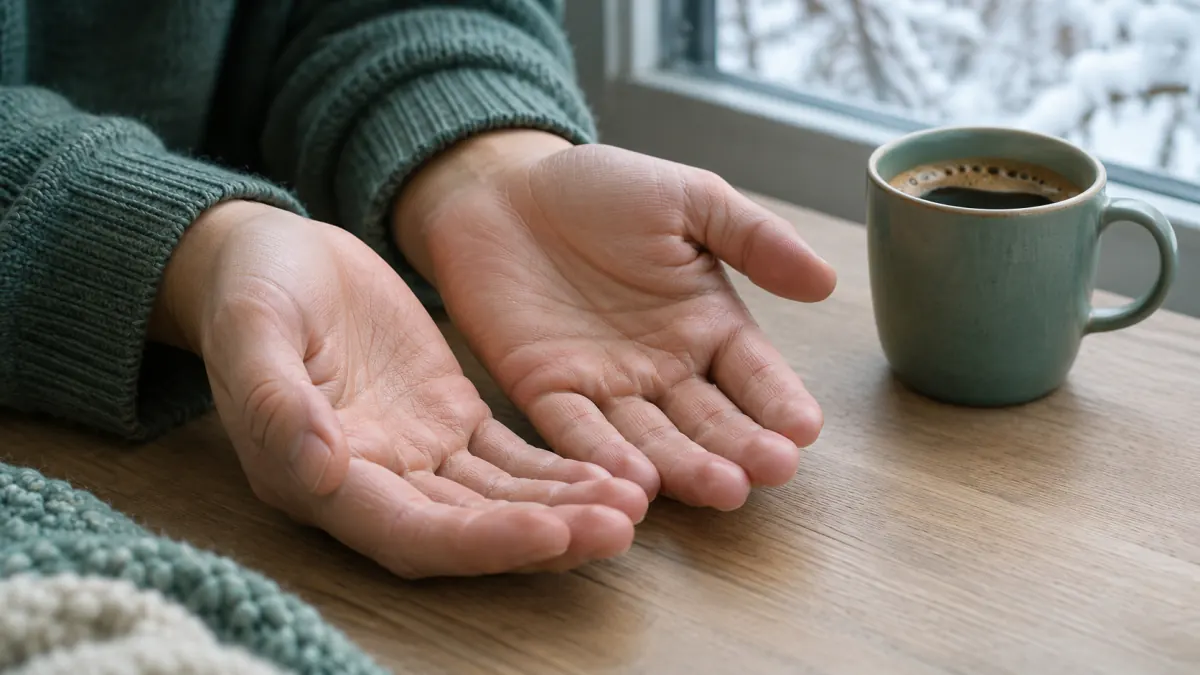
Everyone knows the feeling of a foot that has “fallen asleep” after sitting cross-legged too long: the dead, heavy numbness, then the fizzing pins and needles as you shake it back to life. That everyday experience is actually a neat demonstration of how nerves work. Press on a nerve or cut off its blood supply for a while, and it stops sending normal signals; release it, and it sputters back into action. When numbness and tingling show up without an obvious reason, keep coming back, or don’t go away, the same basic principle applies. Something is interfering with a nerve somewhere along its route, and the job is to work out where and why.
Numbness and tingling, which doctors call paresthesia, are among the more common symptoms brought to a family doctor. The causes range from the very ordinary, like sleeping on your arm, to conditions that need attention, like diabetes, vitamin deficiencies or a pinched nerve in the neck, to a small number of true emergencies. Late winter in Stouffville adds its own twist, as cold fingers and toes can blur the picture. This guide explains how to tell the difference and what an assessment involves.
First: the emergencies
Most numbness is not urgent. But a few patterns need immediate help, so they come first.
Call 911 right away if numbness or tingling comes on suddenly with any of these signs of stroke, often remembered as BE FAST:
- Balance: sudden loss of balance or coordination
- Eyes: sudden loss of vision or double vision
- Face: drooping on one side
- Arms: weakness or numbness in one arm (or leg)
- Speech: slurred, confused or difficult speech
- Time: call 911 immediately, and don’t drive yourself to hospital
Stroke symptoms typically affect one side of the body and appear suddenly. Even if they go away within minutes, which can happen with a transient ischemic attack (a “mini-stroke”), call 911 or go to the emergency department right away. Paramedics can take you to the most appropriate hospital; for many Stouffville residents, that will be Markham Stouffville Hospital.
Also go to the emergency department for:
- Numbness in the groin, buttocks or inner thighs (“saddle” area), especially with new difficulty controlling the bladder or bowels, or with back pain. This can signal compression of the nerves at the base of the spine, which needs urgent treatment.
- Tingling and weakness that start in the feet and climb up the legs over hours to days, particularly after a recent infection.
- Numbness after a head, neck or back injury.
- A cold, pale, numb limb, which can mean a blocked artery.
- Numbness with a sudden, severe headache, confusion or a seizure.
With that out of the way, here are the far more common reasons for numbness and tingling.
Hands and fingers
Carpal tunnel syndrome
The median nerve passes through a narrow tunnel at the wrist. When it’s squeezed, it causes numbness and tingling in the thumb, index, middle and part of the ring finger, often worse at night or when holding a phone, driving or gripping a steering wheel. People frequently wake up shaking their hand to get feeling back. Our article on carpal tunnel and wrist pain goes into this in detail.
Ulnar nerve irritation
The “funny bone” is actually the ulnar nerve running around the inside of the elbow. Pressure there, from leaning on an elbow or keeping the elbow bent for long periods, can cause tingling in the ring and little fingers. Many people notice it after long phone calls or sleeping with their arms tightly bent.
A pinched nerve in the neck
Wear-and-tear changes or a disc problem in the neck can press on a nerve root as it leaves the spine. This is called cervical radiculopathy. It typically causes neck pain plus pain, numbness or tingling travelling down one arm into specific fingers, sometimes with weakness. Turning or tilting the head may make it worse.
Raynaud’s phenomenon
Some people’s fingers turn white or blue in the cold, become numb, then flush red and tingle as they warm. This is Raynaud’s phenomenon, a spasm of small blood vessels. It’s very common in winter and usually harmless, but if it’s severe, starts later in life, or comes with joint pain, rashes or skin sores, it should be checked, as it can be linked to other conditions. Scraping ice off the windshield or a long walk at Memorial Park without proper mittens can trigger it, and so can holding a cold drink.
Feet and legs
Peripheral neuropathy
When numbness and tingling start in both feet, often in the toes, and slowly creep upward, the cause is often damage to the longest nerves in the body. This pattern is called peripheral neuropathy and is often described as a “stocking” distribution. People may notice burning, pins and needles, feeling as though they’re walking on cotton, or not feeling the floor properly.
Common causes include:
- Diabetes, the most common cause in Canada. High blood sugar over time damages small nerves. If you live with diabetes, regular foot checks are part of good care, and our diabetes management visits include them.
- Low vitamin B12, more common in older adults, people who follow a vegan diet, and those who take metformin or long-term acid-reducing medications.
- Alcohol, which can damage nerves directly and through poor nutrition.
- Underactive thyroid and kidney disease.
- Medications, including some chemotherapy drugs and certain antibiotics.
- Prediabetes, which can cause early nerve changes before diabetes is diagnosed.
Sciatica and lower back nerves
A pinched nerve root in the lower back can cause pain, numbness or tingling down one leg, sometimes into the foot. It’s usually worse with sitting or bending and often improves over weeks with staying active.
Pressure on the outer thigh
Burning or numbness over the outer thigh, without weakness, can come from compression of a sensory nerve near the hip, often linked to tight belts, heavy tool belts, weight gain or pregnancy. It’s called meralgia paresthetica and is usually benign.
Elsewhere, or all over
- Anxiety and over-breathing can cause tingling around the mouth and in both hands, sometimes with chest tightness and dizziness. Once other causes are ruled out, breathing techniques help.
- Migraine can bring tingling that spreads gradually over minutes, often before a headache.
- Multiple sclerosis sometimes first shows up as numbness or tingling that lasts days to weeks, sometimes with vision changes or balance problems.
- Shingles can begin with tingling or burning on one side of the body, followed a few days later by a band-like rash.
- Frostbite and frostnip cause numbness in fingers, toes, ears and the nose after cold exposure, a real concern on the coldest Ontario days.
What to note before your appointment
The pattern of symptoms is often more useful than any single test. Before you come in, try to note:
- Exactly where the numbness or tingling is, and whether it’s on one side or both
- When it started, and whether it came on suddenly or gradually
- Whether it’s constant or comes and goes, and what triggers it (positions, activities, time of day, cold)
- Any weakness, clumsiness, dropping things or trouble with balance
- Any pain, and where it travels
- Other symptoms such as fatigue, weight loss, thirst, rashes or bowel or bladder changes
- Your medications, supplements and alcohol intake
How it’s assessed
Nerve complaints are a routine part of primary care in Stouffville, and most can be worked up without a hospital visit. Your doctor will take a careful history and examine your strength, reflexes, sensation and circulation, which often narrows things down considerably. Depending on what’s found, next steps may include:
- Blood tests through blood work requisitions, commonly glucose or A1C, vitamin B12, thyroid function, kidney function and a complete blood count
- Nerve conduction studies and EMG, which measure how well nerves and muscles are working, through diagnostic referral services
- Imaging, such as an X-ray, CT or MRI of the neck or back, when a pinched nerve or spinal problem is suspected
- A specialist referral to neurology, a spine specialist or another specialist when needed
Treatment then depends on the cause: wrist splints for carpal tunnel, B12 replacement, better blood sugar control, activity changes and exercises for a pinched nerve, adjusting a medication, or medicines that ease nerve pain.
Protect numb feet
If you have reduced feeling in your feet, small injuries can go unnoticed and turn into infections, particularly with diabetes. Check your feet daily, wear well-fitting footwear indoors and out, test bath water with your elbow, and keep feet warm and dry through Stouffville’s slushy months.
Is occasional tingling when I sit cross-legged a problem?
Can I take a B12 supplement just in case?
Getting your symptoms sorted out
Persistent numbness or tingling deserves a proper look, and the earlier a cause is found, the better the chance that nerves recover. At HealthSmart Medical Clinic in Stouffville, we can assess your symptoms, arrange testing and follow up on results with you. Book an appointment online, and for anything that sounds like a stroke or other emergency described above, call 911 instead.
This content is general health information and should not be used in place of an assessment by a qualified professional.