Opioid Safety and Naloxone in Stouffville: A Practical Family Guide
Free naloxone kits, overdose warning signs, safe storage of pain pills and what to do in an emergency. Straightforward opioid safety for Stouffville households.
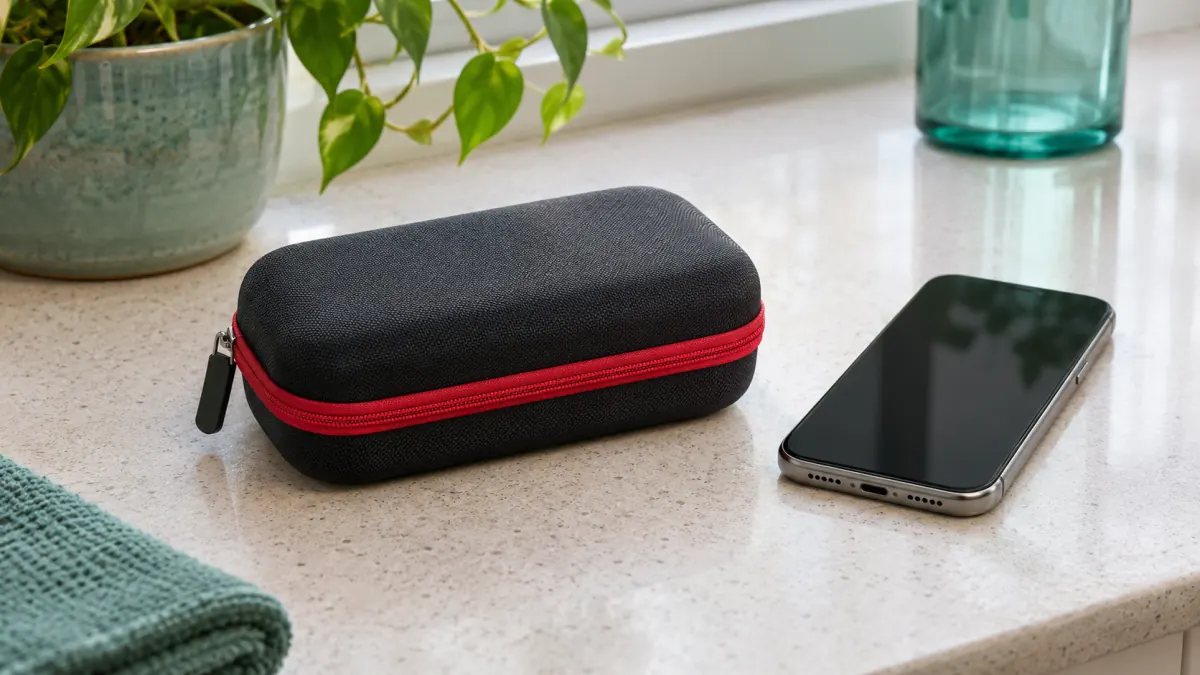
Most households keep a fire extinguisher under the sink that they hope never to use. Nobody who buys one is planning a fire, and nobody judges them for owning it. A naloxone kit belongs in the same category. It is a small case, usually free from a pharmacy, that can reverse an opioid overdose long enough for paramedics to arrive. Owning one says nothing about your family except that you are prepared.
Opioid overdoses happen in every kind of community, including towns like Stouffville and the rural roads around it. They happen to people who use drugs regularly, to people who tried something once, to older adults who mixed up their pain pills, and to toddlers who found a patch or a pill on the floor. This guide covers what opioids are, who is at risk, how to recognize an overdose, how to use naloxone, and how to keep prescription medicines safe at home in Stouffville.
What opioids are
Opioids are a group of drugs that act on receptors in the brain and body to reduce pain. Some are prescription medicines, such as morphine, hydromorphone, oxycodone, codeine, tramadol, and fentanyl patches. Others are illegal or unregulated. They can relieve severe pain very effectively, and they can also slow breathing. In an overdose, breathing slows so much that the brain and body do not get enough oxygen, which can cause brain injury or death within minutes.
Why the unregulated supply is so dangerous
Much of the harm in Canada today comes from the unregulated drug supply. Powerful synthetic opioids, particularly fentanyl and related substances, are often mixed into other drugs or pressed into counterfeit pills that look like prescription medicines. Someone who believes they are taking a sedative, a stimulant, or a “pain pill from a friend” may be taking a potent opioid without knowing it. The amount needed to cause an overdose can be tiny, and it is impossible to tell by looking.
Who is at higher risk of overdose
Risk rises with:
- Mixing substances, especially opioids with alcohol, benzodiazepines (such as lorazepam or diazepam), sleeping pills, gabapentinoids, or other sedating medicines
- Reduced tolerance, after a period of not using, such as after a hospital stay, detox, treatment, or time in custody
- Using alone, with no one to respond
- Using drugs from an unregulated source, where strength and contents are unknown
- Higher prescribed doses, recent dose increases, or switching between opioid medications
- Older age, kidney or liver disease, sleep apnea or lung disease, which make the body more sensitive to opioids
- Children and pets, who can be seriously harmed by a single pill or a used patch
Recognizing an overdose
The signs of an opioid overdose can look like deep sleep. That is part of what makes them dangerous.
| Sign | What you might notice |
|---|---|
| Unresponsiveness | Will not wake up to their name or a firm rub on the breastbone |
| Breathing | Very slow, shallow, irregular, or stopped; snoring or gurgling sounds |
| Colour | Blue or grey lips and fingertips; on darker skin, an ashen or greyish look |
| Pupils | Very small, “pinpoint” pupils |
| Body | Limp, with skin that feels cold or clammy |
If you see these signs, act. You do not need to be certain it is an opioid overdose to call 911 or give naloxone. Naloxone does not harm someone who has not taken opioids.
How to respond: step by step
- Try to wake them. Shout their name and rub your knuckles firmly on their breastbone.
- Call 911. Say that the person is not breathing or unresponsive. If you can, put the phone on speaker so the dispatcher can guide you.
- Give naloxone. For nasal spray: tilt the head back, insert the nozzle into one nostril, and press the plunger. For an injectable kit: draw up the dose and inject into a large muscle such as the thigh or upper arm, through clothing if needed.
- Support breathing. If you are trained, give rescue breaths or start CPR. If they are not breathing and you are not trained, follow the 911 dispatcher’s instructions.
- Wait two to three minutes. If there is no response, give a second dose of naloxone.
- Stay with them. If they start breathing on their own but are still drowsy, place them in the recovery position, on their side with the top knee bent, so they do not choke.
- Stay until help arrives. Naloxone wears off in roughly 30 to 90 minutes, while some opioids last much longer. The person can slip back into an overdose after seeming to recover.
When someone wakes after naloxone, they may feel sick, shaky, or agitated because the medication blocks the opioid suddenly. Stay calm and reassuring, and discourage them from using more to relieve those symptoms.
Legal protection for people who call
Canada’s Good Samaritan Drug Overdose Act provides some legal protection from certain drug possession charges for people who seek emergency help during an overdose, including the person who calls and others at the scene. It does not cover every situation, but the main message is clear: calling 911 is the right thing to do, and the law is designed to encourage it.
Getting a naloxone kit in Ontario
Free naloxone kits are available at many Ontario pharmacies, usually without a prescription. Pharmacists will show you how to use the kit, which takes only a few minutes. Some public health units and community agencies also provide kits and training; York Region Public Health has information on its website at york.ca.
A few tips:
- Call your usual Stouffville pharmacy ahead and ask whether it carries the nasal spray or the injectable version, and which one you are more comfortable using.
- Keep the kit somewhere easy to find, and tell family members where it is.
- Check the expiry date and replace it when needed.
- Store it at room temperature, away from direct heat or freezing cold, which matters if you keep one in a car through a Stouffville winter or summer.
- If you use a kit, replace it right away.
Who should carry one
Anyone can carry naloxone. It makes particular sense for:
- People who take prescription opioids, and the people they live with
- Families of anyone who uses drugs or has recently left treatment
- Parents of teens and young adults
- Coaches, employers, and anyone working with the public
- Grandparents who take opioid pain medications and have young grandchildren visiting
Safer use of prescription opioids
If you have been prescribed an opioid for surgery, an injury or chronic pain, these habits lower risk:
- Take only as prescribed. Do not take extra doses for breakthrough pain without speaking to your prescriber or pharmacist.
- Avoid alcohol and other sedatives unless your doctor has specifically reviewed the combination.
- Do not drive or operate machinery when starting or increasing an opioid, or if you feel drowsy.
- Do not share your medicine with anyone, even someone with the same kind of pain.
- Ask about a plan for how long you will need it and how to taper off when the time comes.
- Use one pharmacy where possible, so interactions are easier to catch.
- Review your medicines regularly. Over time, pain, function, and the risks of long-term opioid use can change. Our article on medication reviews explains how a structured review works.
Safe storage and disposal
- Store opioids in a locked box or cabinet, out of sight and reach of children, teens and visitors.
- Keep track of how many pills or patches you have.
- Fold used fentanyl patches sticky-side together and dispose of them as your pharmacist recommends. Even used patches contain enough drug to harm a child or pet.
- Return unused or expired medicines to a pharmacy for safe disposal. Do not flush them or put them in household garbage.
Talking with teens
Many young people in Stouffville have heard about fentanyl at school or online. Calm, factual conversations help more than scare tactics. Explain that pills from friends or social media can contain fentanyl even if they look real, that mixing substances greatly raises risk, that they should never use alone, and that they can always call home or 911 without getting in trouble for asking for help in an emergency. Let them know where the naloxone kit is.
When opioid use has become a problem
Opioid use disorder is a medical condition, not a moral failing. It can develop in people who started with a prescription for a genuine injury. Signs include strong cravings, using more than intended, trouble cutting back, withdrawal symptoms between doses, and continuing despite harm to health, work or relationships.
Effective treatments exist. Opioid agonist treatment with medications such as buprenorphine-naloxone or methadone lowers the risk of overdose and death, reduces cravings and helps many people rebuild stability. Counselling and peer support can add to medical treatment. A family doctor can start the conversation, discuss options, prescribe in some cases, and connect people with addiction medicine services. ConnexOntario offers free, confidential information about addiction and mental health services across the province.
If you or someone you love is in crisis or thinking about suicide, call or text 9-8-8 at any time. For an overdose or any emergency, call 911.
Can naloxone hurt someone if they did not take opioids?
I take opioids for chronic pain. Should I have naloxone at home?
Talking with us, without judgement
Whether you want to review a prescription, discuss tapering, ask about treatment for opioid use, or simply understand your risks, HealthSmart Medical Clinic is a safe place to have that conversation. Our clinicians offer general medical consultations, and some follow-up conversations can happen through virtual care when that feels easier. Patients looking for ongoing care can read about family doctor registration, which is reviewed by the clinic team. To get started, book an appointment or reach out through our contact page in Stouffville.
This article provides general health and safety information and does not replace guidance from a health professional, pharmacist or emergency responder.