Plantar Fasciitis and Heel Pain in Stouffville: Easing That First-Step Ache
Sharp heel pain with your first steps out of bed is often plantar fasciitis. Stretches, footwear tips and signs that a Stouffville walker should see a doctor.
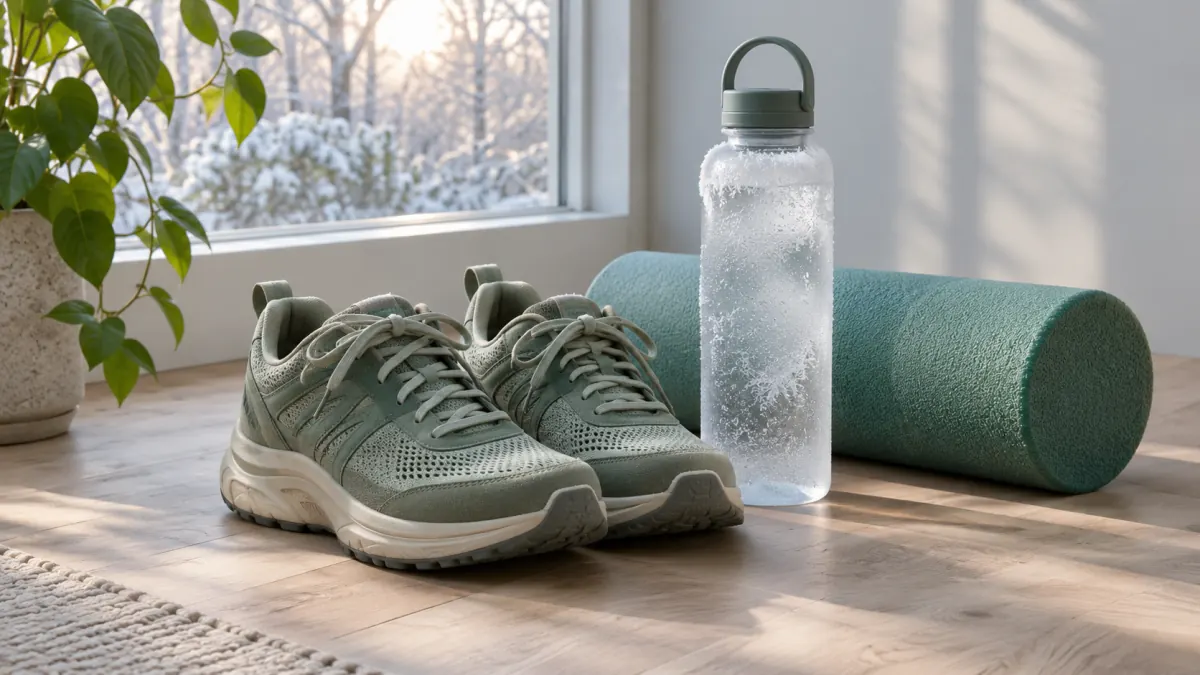
The first few steps out of bed tell the story. You swing your feet to the floor, stand up, and a sharp, stabbing pain shoots through the bottom of your heel, as if you had stepped on a pebble. You limp to the bathroom, and by the time the coffee is ready the pain has eased to a dull ache. Then, after sitting through a long meeting or a drive home, it returns the moment you stand. Later in the day, after hours on your feet, the heel throbs again.
That pattern is so typical of plantar fasciitis that doctors can often recognize it from the description alone. It is one of the most common causes of heel pain in adults, and it can be stubborn, sometimes lingering for months. The encouraging part is that the large majority of people get better without surgery, using a combination of stretching, smarter footwear, load management and time. This article explains what is going on, a practical plan you can start at home, and the signs that heel pain needs a closer look from a doctor in Stouffville.
What the plantar fascia does
The plantar fascia is a thick, tough band of tissue that runs along the sole of the foot, from the bottom of the heel bone to the base of the toes. It works like a bowstring, supporting the arch and absorbing force every time your foot hits the ground. Each step loads it; a run, a jump or a day on hard floors loads it thousands of times.
When the demand on the fascia outpaces its ability to recover, small areas of damage and irritation develop where it attaches to the heel. Although the name ends in “-itis,” which implies inflammation, the problem is often better described as wear and degeneration of the tissue. That distinction matters, because it explains why the condition responds to gradual strengthening and load management rather than rest alone.
Who tends to get it
Plantar fasciitis is most common between roughly 40 and 60, though runners and active younger adults get it too. Risk rises with:
- A sudden increase in activity. Training for a race, a new job that keeps you on your feet, a vacation full of walking, or starting a fitness program after a quiet stretch.
- Hard surfaces. Standing for long shifts on concrete in a warehouse, retail store or kitchen.
- Unsupportive footwear. Flat, worn-out shoes, flip-flops, or going barefoot on hard floors.
- Tight calves and Achilles tendon. Limited ankle flexibility puts more strain on the fascia.
- Foot shape. Very flat feet or very high arches.
- Extra body weight, which increases load with every step.
For many people in Stouffville, heel pain follows a change in routine: a spring burst of training on the trails around the Stouffville Reservoir, a new walking habit on the Oak Ridges Moraine paths, or a winter spent in heavy boots followed by a switch to thin-soled shoes.
Is it plantar fasciitis or something else?
Not every sore heel is plantar fasciitis. Other possibilities include:
- Achilles tendinopathy: pain and stiffness at the back of the heel or just above it, rather than underneath.
- Heel fat pad irritation: a deep, bruise-like ache in the centre of the heel, often worse on hard floors and not especially worse with the first step.
- Stress fracture of the heel bone: pain that worsens steadily with activity, tenderness when the sides of the heel are squeezed, often after a jump in running mileage.
- Nerve irritation (such as tarsal tunnel syndrome): burning, tingling or numbness that may spread into the arch or toes.
- Inflammatory arthritis: heel pain in both feet, particularly with morning stiffness in other joints, back pain, or swollen joints.
A “heel spur” seen on an X-ray is a frequent source of worry. Many people have heel spurs without any pain at all, and many people with plantar fasciitis have no spur. The spur is usually a bystander rather than the cause, and it rarely needs to be removed.
Red flags: when heel pain needs prompt care
Seek same-day medical care, or go to an emergency department, if you have:
- A hot, red, swollen foot, especially with fever or chills. This can signal infection.
- Heel pain after a fall or jump from a height, or you can’t put weight on the foot.
- A sudden pop or snap at the back of the heel during activity, with weakness pushing off. That can indicate an Achilles tendon rupture.
- Calf pain, swelling and warmth in one leg, which can signal a blood clot. If you also have chest pain or shortness of breath, call 911.
- Numbness, colour change or a cold foot.
- A foot wound or sore that isn’t healing, particularly if you have diabetes.
For Stouffville residents, the nearest emergency departments are Markham Stouffville Hospital (Oak Valley Health) in Markham and Uxbridge Hospital.
People living with diabetes should have any foot pain, new sore or change in sensation checked promptly, because nerve and circulation changes can hide serious problems. Regular foot checks are a standard part of good diabetes management.
A home plan that works for most people
Plantar fasciitis rarely responds to a single fix. It responds to several sensible things done consistently, usually over weeks to months.
1. Adjust the load, don’t stop moving
Complete rest isn’t necessary and often isn’t helpful. Instead, reduce the activities that clearly aggravate the heel while keeping active in ways that don’t:
- Swap some running or long walks for cycling, swimming or the elliptical.
- Break up long periods of standing with short sitting breaks.
- Return to running gradually once morning pain is settling, increasing distance by modest amounts each week.
A useful guide: some discomfort during or after activity is acceptable if it settles by the next morning. If the next morning is clearly worse, ease back.
2. Stretch the fascia and calves
Do these daily, and especially before getting out of bed and after long periods of sitting.
- Plantar fascia stretch. Sit and cross the affected foot over the opposite knee. Pull the toes back toward the shin with your hand until you feel a stretch along the arch. Hold for 10 to 30 seconds and repeat several times.
- Calf stretch (straight knee). Face a wall with hands on it, affected leg behind, knee straight and heel on the floor. Lean forward until you feel the stretch in the upper calf. Hold 30 seconds; repeat three times.
- Calf stretch (bent knee). Same position, but bend the back knee slightly to target the lower calf and Achilles. Hold 30 seconds; repeat three times.
- Towel stretch in bed. Before standing in the morning, loop a towel around the ball of the foot and gently pull toward you for 30 seconds.
3. Strengthen the foot and calf
Strength work helps the tissue tolerate load again. Two simple options:
- Calf raises. Stand on both feet, rise onto your toes and lower slowly. Progress to single-leg raises, then to doing them on a step with a rolled towel under your toes to stretch the fascia at the top of the movement. Go slowly, about three seconds up and three seconds down.
- Towel scrunches or marble pick-ups. Use your toes to scrunch a towel toward you or pick up small objects, which works the small muscles of the arch.
4. Massage and cool the sole
- Frozen water bottle roll. Roll your arch over a frozen water bottle for five to ten minutes after activity. It combines gentle massage with cold relief. Wrap it in a thin cloth if the cold is uncomfortable.
- Foam roller or massage ball for the calves. Tight calves feed the problem; rolling them for a minute or two can help.
5. Rethink your footwear
- Wear supportive shoes with a cushioned heel and good arch support, even around the house. Avoid walking barefoot on hard floors and tile, especially first thing in the morning.
- Replace worn-out running and walking shoes. The cushioning breaks down well before the shoe looks finished.
- Over-the-counter arch supports or heel cups help many people. Custom orthotics are an option for some, but they aren’t necessary for most, and they may not be covered by OHIP; check your extended health benefits if you are considering them.
- In winter, choose boots with a supportive footbed and decent cushioning, and swap in your own insoles if the built-in ones are flat.
6. Consider short-term pain relief
Over-the-counter pain relievers can take the edge off while you work on the underlying problem. Anti-inflammatories such as ibuprofen or naproxen aren’t suitable for everyone, particularly people with kidney disease, stomach ulcers, heart disease or those on blood thinners, so check with a pharmacist or doctor first.
7. Night splints, for stubborn morning pain
A night splint holds the foot in a gentle stretch while you sleep, which can reduce that sharp first-step pain. Some people find them uncomfortable; they are worth trying if morning pain persists despite stretching.
How long recovery takes
This is the part people find hardest. Many cases improve noticeably within a few months with consistent home care, but some take six months to a year to settle fully. Improvement is rarely a straight line; good weeks and setbacks are normal. Tracking your morning pain on a simple one-to-ten scale every few days helps you see the trend instead of reacting to a single bad day.
When to see a doctor, and what they can offer
Book an appointment if heel pain hasn’t improved after several weeks of home care, if it is getting worse, if both heels are affected, or if it is limiting your work, sleep or ability to walk.
At a general medical consultation, your doctor will ask about your activity, footwear, work and the pattern of pain, and will examine the foot, ankle and calf. Plantar fasciitis is usually diagnosed from the history and examination alone. Imaging isn’t usually needed at first, but if the diagnosis is unclear, a stress fracture is suspected, or symptoms aren’t improving, your doctor may arrange an X-ray or ultrasound through a diagnostic imaging referral.
Depending on your situation, next steps might include:
- A structured exercise program, often with a recommendation to see a physiotherapist.
- Advice on orthotics or footwear modifications, sometimes with a chiropodist or podiatrist.
- A corticosteroid injection in selected cases for short-term relief. Injections are used sparingly because of a small risk of weakening the fascia or thinning the heel’s fat pad.
- Referral to a sports medicine physician or foot specialist for persistent cases, where options such as shockwave therapy may be discussed. Some of these services may not be covered by OHIP.
Surgery is reserved for a small number of people who still have significant pain after many months of good non-surgical treatment.
If your heel pain started with a twist or a misstep rather than a gradual build-up, our post on sprains and strains covers acute ankle and foot injuries.
Should I stop walking or running completely?
Do I need an X-ray to confirm plantar fasciitis?
Getting your heel checked at HealthSmart
If heel pain is slowing you down, a doctor at HealthSmart Medical Clinic in Stouffville can confirm what is going on and help you build a plan. Book an appointment online, or call 905-642-6300. Hours may change, so check our location page for current details and directions to the clinic at 208-5892 Main Street. Wear or bring the shoes you use most often; they are part of the story.
Use this article as general information only; it is not a substitute for advice from a health professional who knows your history.