Poison Ivy and Other Summer Rashes in Stouffville
Poison ivy, wild parsnip burns, swimmer's itch and bug bites all flare in July and August. How Stouffville residents can tell them apart and treat them well.
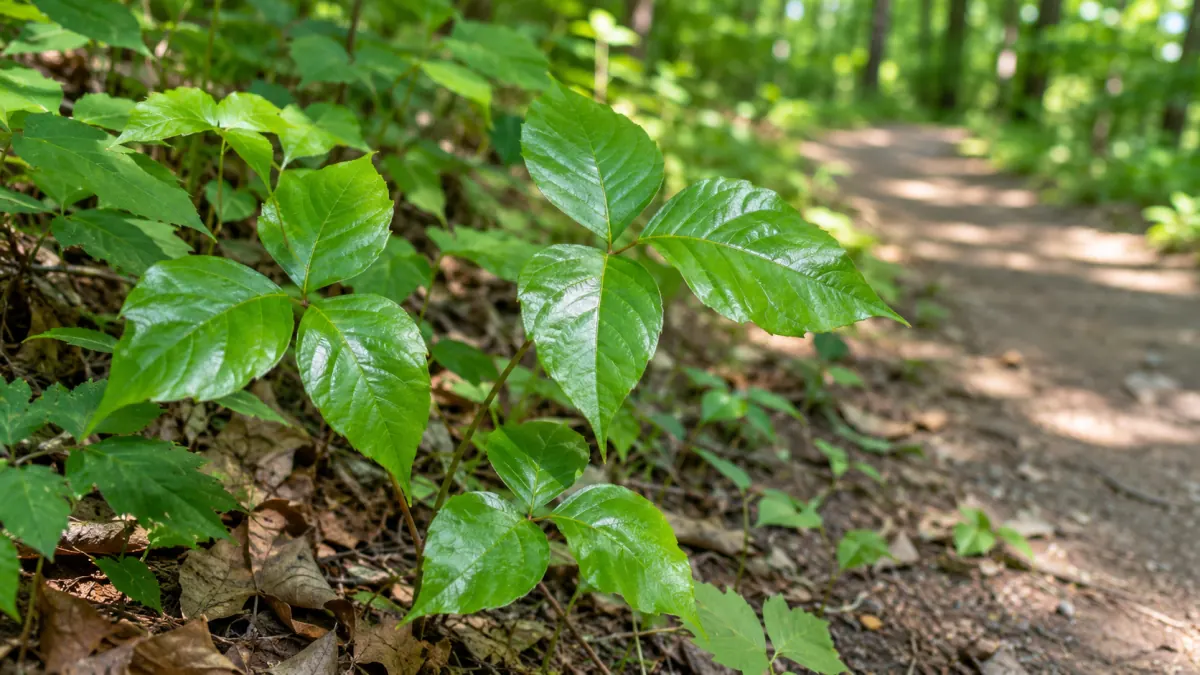
“I never even touched the stuff.” It is one of the most common things people say when they come in with a streaky, blistering rash in late July, and it is often true in a narrow sense. Poison ivy does not need to brush your skin directly. The oil that causes the reaction clings to dog fur, gardening gloves, shoelaces, bike tires, and hiking poles, and it can sit on those surfaces for a long time. Pet the dog after it has run through the brush near the Stouffville Reservoir, and the oil is now on your hands, then on your face, then on your forearms.
Poison ivy is only one of several summer skin problems that send people looking for answers. Wild parsnip, swimmer’s itch, insect bites, heat rash, and sun reactions all peak between June and September around Whitchurch-Stouffville, and they can look surprisingly alike in the first day or two. This guide walks through the usual suspects, how to calm them down at home, and the signs that a rash deserves a medical look.
Getting to know poison ivy
Poison ivy grows throughout southern Ontario, and Stouffville is no exception: along trail edges, in ditches and fence lines, at the margins of woodlots, in sandy areas near lakes, and sometimes in overgrown corners of backyards. It can grow as a low ground cover, a small shrub, or a climbing vine.
The old rhyme “leaves of three, let it be” is a decent start, but it helps to know a bit more:
- Each leaf is made up of three leaflets, and the middle one sits on a noticeably longer stalk than the two side ones.
- Leaflet edges can be smooth, toothed, or slightly notched, even on the same plant.
- Leaves are often glossy in spring and summer, red-tinged when new, and turn red, orange, or yellow in fall.
- Clusters of small greenish-white berries may appear in late summer.
All parts of the plant contain an oily resin called urushiol, including the roots and bare winter stems. Burning poison ivy releases it into the smoke, which can cause serious reactions in the airways, so never burn brush that might include it.
Why the rash shows up later
Most people are sensitive to urushiol, but the reaction is a delayed allergic response, not an immediate irritation. The rash typically appears 12 to 72 hours after contact, and sometimes longer in someone being exposed for the first time. That delay is why people struggle to pin down where they picked it up.
Typical features:
- Intense itching
- Redness and swelling
- Bumps and blisters, often in straight lines or streaks where a stem or leaf dragged across the skin
- Weeping blisters that crust over after several days
The rash usually peaks within the first week and clears in two to three weeks.
Clearing up two myths
The blister fluid does not spread the rash. Once the skin has been washed, the fluid inside the blisters contains no urushiol. New patches appearing over several days usually reflect areas that received a smaller dose of oil, or thinner skin that reacts faster, or re-exposure from contaminated items.
It is not contagious. You cannot catch poison ivy from another person’s rash. You can, however, pick up oil from their unwashed clothes or hands.
First steps after contact
If you know you have brushed against poison ivy, speed matters. Urushiol binds to the skin fairly quickly, so try to act within the first half hour or so, although washing later still helps remove oil that has not yet bound.
- Rinse the skin with lukewarm water and plenty of soap, or a dish soap that cuts grease. Scrub gently under the fingernails.
- Avoid touching your face or eyes until your hands are clean.
- Wash clothes, shoes, and gear separately in hot water. Wipe tools, leashes, and handlebars with soapy water while wearing gloves.
- Bathe the dog if it was in the brush, again wearing gloves.
Calming a poison ivy rash at home
Most cases can be managed without a prescription:
- Cool compresses or cool showers ease itching and help dry out weeping areas.
- Colloidal oatmeal baths are soothing for widespread rashes.
- Calamine lotion helps dry blisters and reduces itch.
- Over-the-counter hydrocortisone cream may help mild rashes, especially early on, though it is relatively weak for poison ivy.
- Oral antihistamines do not treat the rash itself, but a sedating one at bedtime can help some people sleep through the itch. Ask a pharmacist which product suits you, especially for children or older adults.
- Leave blisters alone. Do not pop them. If they break on their own, keep the area clean and lightly covered.
- Keep nails short and try not to scratch, which can lead to infection and scarring.
Avoid topical antihistamine creams and “caine” anaesthetic creams, which can themselves cause allergic skin reactions in some people.
When a poison ivy rash needs a doctor
Book a visit if:
- The rash covers a large area of the body
- It involves the face, eyes, lips, or genitals
- Swelling is significant, or the itch is so severe that you cannot sleep or work
- Home treatment has not helped after about a week
- You see signs of infection: increasing pain, warmth, pus, honey-coloured crusts, red streaks, or fever
For more severe reactions, a doctor may prescribe a stronger topical steroid or, in some cases, a course of oral steroids. When oral steroids are used for poison ivy, the course is generally longer than people expect, because stopping too early can let the rash rebound.
Go to the emergency department if you have trouble breathing or swallowing, or significant swelling of the face or throat, particularly after exposure to smoke from burning plants.
Other summer rashes that cause confusion
Wild parsnip and giant hogweed burns
These are not allergies at all. The sap of wild parsnip, which is common along Ontario roadsides, rail lines, and field edges, contains chemicals that make skin extremely sensitive to sunlight. Sap plus sun can produce a burn-like reaction within a day or two: redness, then blisters, sometimes large ones, often in odd streaks or drip shapes. The area can stay darkened for months afterward.
Wild parsnip has flat, umbrella-shaped clusters of small yellow flowers and grows up to about a metre and a half tall. Giant hogweed, which is much larger with white flower heads, causes the same type of reaction but is less commonly encountered.
If you get sap on your skin, wash it off promptly and keep the area covered from the sun for at least 48 hours. Blistering burns should be treated like any other burn, and larger ones should be seen by a clinician. Sap in the eyes needs urgent care.
Swimmer’s itch
After a swim at a lake, whether at Musselman’s Lake or a cottage further north, some Stouffville swimmers develop small, intensely itchy red bumps on skin that was uncovered by the bathing suit, usually within a day. This is caused by tiny parasite larvae from waterfowl and snails that burrow briefly into human skin and then die. It is not contagious and clears on its own over about a week. Towelling off briskly right after leaving the water and rinsing with clean water may lower the risk. Anti-itch measures are the same as for poison ivy.
Mosquito and blackfly bites
Most bites leave a small itchy bump that settles in a few days. Some people, especially children, develop larger swollen reactions that look alarming but are usually not infected. A cold pack, an oral antihistamine, and a mild steroid cream can help. Spreading redness that worsens after two or three days, with warmth and pain, is more suggestive of infection.
Heat rash
Clusters of tiny red bumps in skin folds and under clothing on hot, humid days, caused by blocked sweat ducts. Cooling off and wearing loose cotton usually resolves it quickly.
Sun-related reactions
Some medications, including certain antibiotics, water pills, and acne treatments, increase sun sensitivity. A rash or exaggerated sunburn limited to sun-exposed areas after starting a new medicine is worth mentioning to your pharmacist or doctor.
A rash after a tick bite
A red patch that slowly expands over days, sometimes with a clearer centre, appearing 3 to 30 days after a tick bite, can be an early sign of Lyme disease. This one should never be waited out. Our post on summer cuts, burns, and wound care explains safe tick removal; if a rash follows, book an assessment promptly.
A quick comparison
| Rash | Usual timing | Typical look | Where |
|---|---|---|---|
| Poison ivy | 12–72 hours after contact | Itchy streaks, blisters | Exposed skin, or wherever oil was transferred |
| Wild parsnip | 1–2 days after sap plus sun | Burn-like blisters, later dark marks | Arms, legs, hands |
| Swimmer’s itch | Hours to a day after a lake swim | Small, very itchy bumps | Skin outside the bathing suit |
| Heat rash | During hot weather | Tiny red bumps | Neck, chest, skin folds |
| Expanding tick-bite rash | 3–30 days after bite | Enlarging red patch | Near the bite |
This table is a rough guide. Rashes overlap, and a photo taken on day one rarely tells the whole story.
Preventing the next one
- Learn to recognize poison ivy and wild parsnip, and point them out to children.
- Stay on maintained paths when hiking Stouffville’s local trails and the Oak Ridges Moraine.
- Wear long sleeves, long pants, and gloves when clearing brush or gardening along the property line.
- Use vinyl gloves under cloth work gloves if you are removing poison ivy, since urushiol can soak through fabric.
- Bag removed plants rather than composting or burning them.
- Barrier creams designed for poison ivy may offer some protection when applied before exposure.
- Rinse off after lake swims and towel dry well.
Can I get poison ivy in the fall or winter?
Is a photo enough for a virtual visit about a rash?
Getting a rash checked at HealthSmart
Our Stouffville team sees plenty of summer skin complaints, and many can be assessed quickly, and some can be handled through a virtual care appointment with good photos. For rashes that are spreading, blistering heavily, or showing signs of infection, an in-person visit through our walk-in clinic is the better choice, and we also see people for allergy concerns and minor wound care when broken blisters need attention. Book an appointment or contact us if you are unsure which option fits.
The information here is general in nature and is not a substitute for advice tailored to your own health.