Rashes in Children in Stouffville: Common Causes and the Glass Test
Most childhood rashes are harmless, but a few need urgent care. Using the glass test, naming common rashes and knowing when a Stouffville child should be seen.
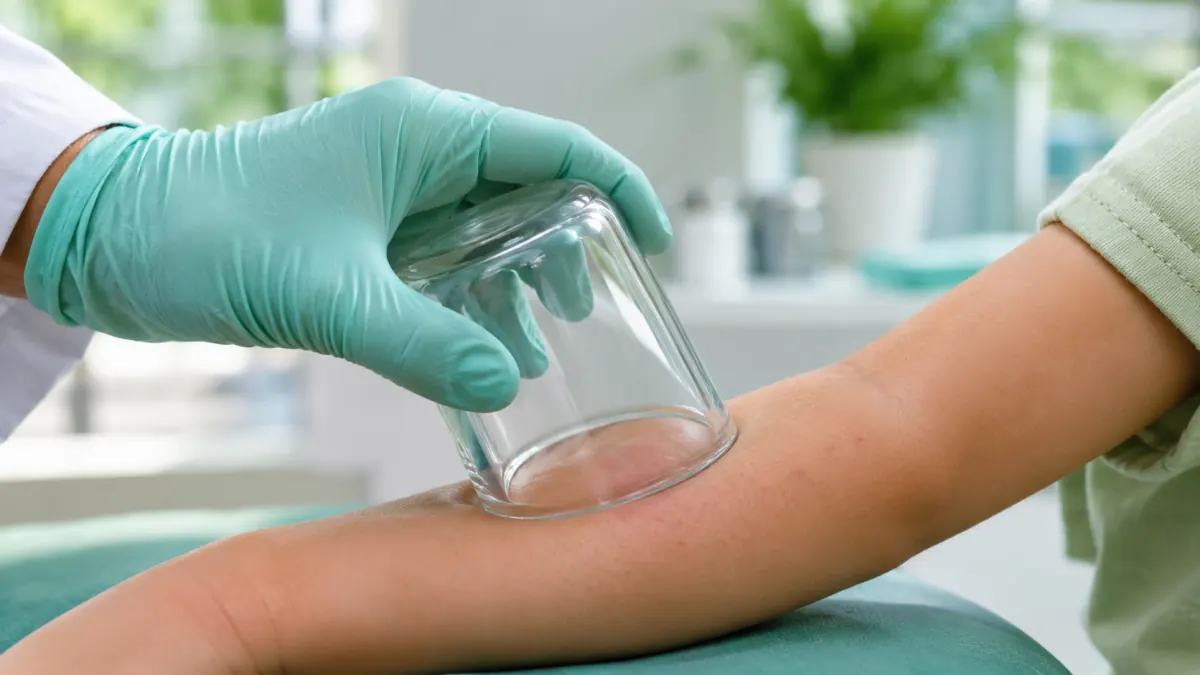
A plain drinking glass may be the most useful rash tool in your kitchen. Press the side of a clear glass firmly against a patch of spots on your child’s skin and look through it. If the spots fade or disappear under the pressure, that is reassuring. If they stay clearly visible through the glass, the rash is called non-blanching, and when a child also has a fever, that combination needs emergency care straight away.
The glass test is worth knowing because it helps sort out the one rash parents should never wait on from the dozens that are usually harmless. Children get rashes constantly. Viruses, heat, new soaps, insect bites, sunscreen and eczema can all mark up a child’s skin within hours. This guide walks Stouffville parents through the common culprits, how to look at a rash calmly, and the signs that mean it is time to call, visit or head to emergency.
Start with the child, not the spots
Before trying to name a rash, step back and look at how your child is doing overall. Clinicians do this instinctively, and it is often more important than the rash itself.
Ask yourself:
- Is my child alert, playing, and interested in what is going on, even if a bit cranky?
- Are they drinking fluids and peeing at roughly their usual rate?
- Do they have a fever? How high, and for how many days?
- Is the rash itchy, painful, or neither?
- Did anything new happen recently: a new food, medication, detergent, a camp day at a park, a family member who has been sick?
A child with a rash who is otherwise acting normally is very rarely in danger. A child who is unusually drowsy, floppy, irritable when touched, breathing fast or refusing to drink is a different story, rash or no rash.
How to do the glass test properly
- Use a clear, smooth drinking glass.
- Press the side of the glass firmly against the rash.
- Look through the glass at the spots.
- Fading spots (blanching): usually viral, allergic or irritation-related.
- Spots that stay visible (non-blanching): tiny pinpoint red or purple dots are called petechiae; larger bruise-like patches are called purpura.
On darker skin, colour changes can be harder to see. Check paler areas such as the palms, soles, the inside of the eyelids and the roof of the mouth.
A few non-blanching dots on the face and upper chest after a bout of hard coughing or vomiting can happen from straining alone, and are often harmless in a child who is otherwise well. But the safe rule is simple: a non-blanching rash plus fever, or a non-blanching rash in a child who seems unwell, means going to emergency or calling 911 right away. It can be a sign of meningococcal infection or another serious illness that needs treatment within hours.
Common childhood rashes at a glance
| Rash | What it looks like | Other clues |
|---|---|---|
| Viral rash (non-specific) | Pink, blotchy, flat or slightly raised spots on the trunk | Often follows a cold or fever; child usually well; fades in days |
| Roseola | Small pink spots on the trunk and neck | Appears after 3 or so days of high fever, as the fever breaks; common in babies and toddlers |
| Hand, foot and mouth disease | Small spots or blisters on hands, feet, buttocks, and sores in the mouth | Sore mouth, reduced drinking; spreads easily in daycare |
| Fifth disease | Bright red “slapped cheeks,” then a lacy rash on arms and legs | Child usually feels fine by the time the rash appears |
| Chickenpox | Itchy red spots that turn into blisters, then crust, in crops | Fever, fatigue; much less common since vaccination |
| Impetigo | Sores with a honey-coloured crust, often around nose and mouth | Bacterial; spreads with scratching; usually needs treatment |
| Scarlet fever | Fine, rough “sandpaper” rash, flushed cheeks, red tongue | Sore throat and fever; caused by strep, treated with antibiotics |
| Hives | Raised, itchy welts that move around within hours | Viral infection, food, medication or insect bite triggers |
| Eczema | Dry, rough, itchy patches, often in skin creases | Worse in winter and with irritants; comes and goes |
| Heat rash | Tiny red or clear bumps in sweaty areas | Overdressing, hot days; settles with cooling |
| Molluscum contagiosum | Small, firm, pearly bumps with a central dimple | Harmless; may take months to clear on its own |
| Diaper rash | Red, irritated skin in the diaper area | Bright red with “satellite” spots suggests yeast |
Hand, foot and mouth disease is one of the most common summer rashes in daycares and day camps; our article on hand, foot and mouth disease explains how long it lasts and how to keep kids drinking.
Rashes with fever: when to take extra care
Many viral illnesses cause a fever and a rash together, and most settle with rest and fluids. Several fever-and-rash combinations deserve a doctor’s look, though.
Measles
Measles begins with high fever, cough, runny nose and red, watery eyes. A few days later, a red blotchy rash starts at the hairline and spreads downward. Measles is very contagious and can cause serious complications. If you suspect measles, call ahead before arriving at any clinic or emergency department so staff can prevent spread in the waiting room. Our measles article covers vaccination and exposure steps.
Kawasaki disease
This uncommon but important condition mainly affects young children. Suspect it with a fever lasting five days or more along with several of: a rash, red eyes without discharge, red cracked lips or a “strawberry” tongue, swollen red hands or feet, and a swollen lymph node in the neck. Early treatment protects the heart, so a long fever with these features needs prompt assessment.
Scarlet fever and strep
A sandpaper rash with a sore throat should be checked; a throat swab can confirm strep, and antibiotics treat it and lower the risk of complications.
Allergic rashes and when hives are an emergency
Hives on their own are common and usually harmless, especially during or after a viral illness. They can be treated with a non-drowsy antihistamine suitable for your child’s age and weight, which a pharmacist can help with.
Call 911 and use an epinephrine auto-injector if one has been prescribed when hives come with any of these:
- Swelling of the lips, tongue or face
- Trouble breathing, wheezing, noisy breathing or hoarse voice
- Repeated vomiting or severe tummy pain after a food or sting
- Paleness, floppiness, or fainting
These are signs of anaphylaxis, which needs emergency treatment.
Summer and outdoor rashes around Stouffville
Long days at Stouffville splash pads, conservation areas and backyard campfires come with their own skin troubles.
- Poison ivy: streaky lines of itchy blisters a day or two after playing in brush. Wash skin and clothing promptly.
- Bug bites: clusters of itchy bumps on exposed areas. Kids who scratch can develop impetigo or cellulitis.
- Tick bites: after hikes in Rouge National Urban Park or trails across the Oak Ridges Moraine, check children’s scalps, behind the ears, armpits, and waistbands. An expanding red rash at the site of a bite, sometimes with a bull’s-eye pattern, appearing days to weeks later, needs assessment for Lyme disease.
- Sun and heat: sunburn and heat rash respond to shade, cooling and loose clothing.
- Swimmer’s itch: small itchy bumps on exposed skin after swimming in some lakes.
Caring for a rash at home
For most mild rashes in children who are well:
- Dress them in loose, breathable cotton.
- Keep nails short to reduce scratching damage.
- Use lukewarm baths and pat skin dry. A fragrance-free moisturizer helps dry and eczema-prone skin.
- Avoid new soaps, bubble baths and perfumed products while the skin settles.
- Treat fever or discomfort with acetaminophen or ibuprofen dosed by weight, if appropriate for their age. Ibuprofen is not recommended under six months of age unless a doctor advises it.
- Take photos. Rashes change quickly, and a picture from the day it was worst is helpful at an appointment.
- Keep children home from daycare or camp if they have a fever or a rash that the facility asks to be checked first.
When to see a doctor
Book a visit when:
- A rash lasts more than a few days without improving
- It is spreading, blistering, crusting or weeping
- Your child has a fever for more than three days, or any fever in a baby under three months (which needs same-day assessment, often in emergency)
- The rash is very itchy and stopping sleep
- You suspect impetigo, scarlet fever or a fungal infection
- Rashes keep coming back, or you suspect a food or medication allergy
- You are unsure, and need peace of mind
Go to emergency or call 911 if
- A rash does not fade with the glass test and your child has a fever or seems unwell
- Your child is very drowsy, hard to wake, confused, or limp
- There are signs of anaphylaxis
- Your child has a stiff neck, severe headache, or is unusually sensitive to light
- Blisters cover large areas, or skin is peeling in sheets
- The skin around a rash is rapidly turning red, hot and painful
The nearest emergency departments for Stouffville families are Markham Stouffville Hospital in Markham and Uxbridge Hospital. Health811 (call 811) can help if you are unsure where to go.
Can I send a photo of the rash instead of coming in?
My child had amoxicillin and now has a rash. Are they allergic?
Bringing your child in
Our clinicians see rashes every day, and a quick look usually brings a clear answer. HealthSmart Medical Clinic offers pediatric care and childhood illness treatment, along with allergy treatment for kids whose skin reactions keep returning. Book a visit online for your child, and bring those photos along.
This guide offers general information for parents in Stouffville and beyond; it is not a substitute for an assessment of your own child.