RSV in Babies and Older Adults in Stouffville: Protection and Warning Signs
RSV is a cold for most, but it can hit newborns and seniors hard. Breathing warning signs, home care and Ontario protection programs for Stouffville families.
Respiratory syncytial virus was first identified in 1956, not in a child but in a colony of chimpanzees with runny noses at a research facility in the United States. Within a year, researchers found the same virus in infants with serious chest infections, and it soon became clear that this “chimp cold” was one of the most important causes of breathing illness in babies worldwide. For decades afterward, there was little anyone could do to prevent it. That has changed only in the past few years, which is why RSV is suddenly a topic at prenatal appointments, well-baby visits and seniors’ checkups.
For most healthy older children and adults, RSV is a cold: a stuffy nose, a cough and a few miserable days. But at the two ends of life, in young infants and in older adults, especially those with heart or lung conditions, it can cause bronchiolitis, pneumonia and hospital stays. This guide explains what RSV does, how to care for someone at home, which symptoms mean it’s time for urgent help, and what protection is available to Stouffville families through Ontario’s publicly funded programs.
What RSV is and how it spreads
RSV is a common respiratory virus that circulates mainly in the late fall and winter in Ontario, often overlapping with influenza and COVID-19. Almost every child has been infected at least once by their second birthday, and people can catch it again throughout life, since immunity after infection doesn’t last.
The virus spreads through droplets from coughs and sneezes and, importantly, through hands and surfaces. RSV can survive for hours on countertops, toys, doorknobs and crib rails. That means a toddler’s runny nose in a busy household or an older sibling bringing something home from daycare can easily pass to a newborn, and grandchildren can pass it to grandparents over a holiday visit. People are usually contagious for three to eight days, but young infants and people with weakened immune systems can shed the virus for several weeks.
Why babies are vulnerable
Infants have tiny airways. When RSV inflames the smallest airways in the lungs, called bronchioles, the swelling and mucus can partly block them. This illness is called bronchiolitis, and RSV is its most common cause. Babies under six months, those born prematurely, and children with heart or lung conditions or weakened immune systems are at highest risk of severe illness.
What RSV looks like in an infant
It often starts like a cold, with a runny nose, sneezing and mild fever. Over the next few days, it may move to the chest:
- A cough that becomes more frequent
- Fast or noisy breathing, including wheezing
- Trouble feeding, because it’s hard to suck and breathe at the same time
- Irritability, or being unusually sleepy
- In very young babies, sometimes only poor feeding, low energy or short pauses in breathing, with very little cough
Symptoms typically peak around days three to five and then slowly improve. The cough can linger for two to four weeks, which is normal as the airways heal.
Why older adults are vulnerable
As we age, the immune system responds less vigorously to infections. RSV in adults over 60, and especially over 75, can lead to pneumonia, worsen COPD, asthma or heart failure, and sometimes trigger a hospital admission. Residents of long-term care homes and people with chronic conditions such as diabetes, kidney disease or a weakened immune system face the highest risk.
In older adults, RSV may look like a bad cold or flu at first, with cough, congestion, sore throat and fatigue. Warning signs that it’s affecting the lungs or the body more seriously include increasing shortness of breath, wheezing, chest discomfort, new confusion, falls, or a person who is suddenly much weaker than usual. People living with lung disease should have a written flare-up plan before the season starts.
Caring for RSV at home
There is no medicine that cures RSV for most people. Antibiotics don’t work against viruses and won’t help unless a separate bacterial infection develops. Care focuses on comfort, fluids and watching for warning signs.
For babies and young children
- Clear the nose. Saline drops followed by gentle suction with a bulb syringe or nasal aspirator, especially before feeds and sleep, can make a big difference.
- Offer small, frequent feeds. A congested baby may take less at each feed. Offering the breast or bottle more often helps keep them hydrated.
- Count wet diapers. This is your best home check on hydration.
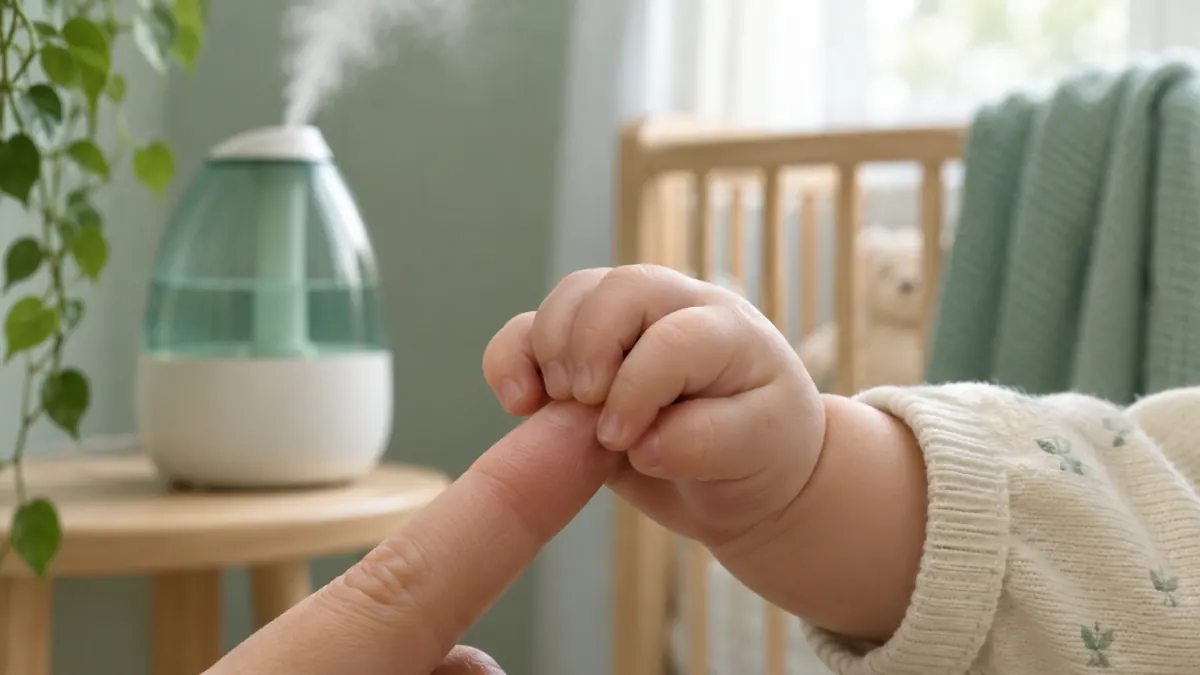
- Use a cool-mist humidifier if you like. Clean it daily according to the instructions. Avoid hot steam devices, which can cause burns.
- Treat fever for comfort. Acetaminophen can be used at the dose for your child’s weight; ibuprofen only for babies six months and older. Don’t give cough and cold medicines to children under six; Health Canada advises against them.
- Keep the air smoke-free, including from vaping.
- Let them rest, and keep them home from daycare while they’re feverish or unwell.
Our article on children’s fever explains fever thresholds and dosing safety in more detail.
For older adults
Rest, fluids, fever and pain relief such as acetaminophen, and continuing usual medications, including inhalers, are the mainstays. People with COPD or heart failure should follow their action plan and contact their doctor early if breathing worsens. Someone living alone should arrange a daily check-in from a family member or neighbour while unwell.
Warning signs: when to get help
This section matters most. Trust your instincts, especially with a young baby.
| Who | Call 911 | Go to the ER or get same-day care |
|---|---|---|
| Infants and young children | Blue or grey lips or face; long pauses in breathing; extremely hard to wake or floppy; severe struggle to breathe | Breathing very fast; skin pulling in between or under the ribs or at the neck; grunting or flaring nostrils; refusing feeds or far fewer wet diapers than usual; any fever of 38.0°C or higher in a baby under three months |
| Older adults | Severe shortness of breath, chest pain, blue lips, or being unresponsive or very confused | Breathing that keeps getting worse; new confusion or weakness; unable to keep fluids down; high fever that won’t settle; worsening COPD or heart failure symptoms |
The nearest emergency departments for most of Stouffville are at Markham Stouffville Hospital and Uxbridge Hospital. If you’re unsure whether a symptom is serious, Health811 (call 811) is available around the clock for advice from a registered nurse.
For milder illness, such as a toddler with a cold who is feeding and breathing comfortably, or an older adult with a cough who wants a check, our childhood illness and respiratory infection visits are a good fit.
Protection options in Ontario
This is where things have changed most. There are now several ways to protect the people most likely to become seriously ill. Ontario has publicly funded RSV protection programs for infants and for older adults in certain groups. Programs and eligibility change from season to season, so ask us or check ontario.ca for the current details.
For infants: a long-acting antibody
Nirsevimab is a single injection of ready-made antibodies that protects a baby through their first RSV season. It isn’t a vaccine in the traditional sense; instead of teaching the immune system to make antibodies, it supplies them directly, so protection starts right away. In Ontario, it has been offered to babies born during or shortly before the RSV season, and to some higher-risk children going into their second season. Depending on the program in a given year, it may be given in hospital shortly after birth or later through a health care provider.
During pregnancy
An RSV vaccine given in the later part of pregnancy is approved in Canada. The pregnant person makes antibodies that cross the placenta and protect the baby for the first months of life. Generally, a baby either receives protection through the pregnancy vaccine or receives nirsevimab, not both, though there are exceptions. If you’re expecting, talk to your prenatal care provider about which option suits your due date and situation.
For older adults
RSV vaccines are approved in Canada for older adults. Ontario has offered publicly funded doses to some older adults, including residents of long-term care homes and certain other higher-risk groups. Eligibility criteria have been updated over time, so the best approach is to ask at your next visit. Adults who don’t qualify for a funded dose may still choose to be vaccinated; it may not be covered by OHIP, so ask the clinic or your pharmacist about options. At present, the adult vaccine is given as a single dose rather than every year. Our adult vaccinations page explains the vaccines we offer, and an RSV discussion fits naturally alongside shingles, pneumococcal and seasonal flu planning.
Everyday prevention
Whether or not someone in your household is eligible for RSV protection, these habits reduce spread:
- Wash hands often, especially before holding a baby
- Keep people with cold symptoms away from newborns, and skip the kisses on the face
- Clean high-touch surfaces like toys, phones and doorknobs
- Cover coughs and sneezes, and stay home when sick
- Consider a mask when visiting a newborn or an older relative while you have symptoms
- Breastfeeding, if possible, provides some protection against respiratory infections
- Keep up with flu and COVID-19 vaccines so a second infection doesn’t pile on
How can I tell RSV from a cold or the flu?
Can my baby get RSV more than once?
My baby was born before the program started. Are they eligible?
Getting RSV advice at HealthSmart
Whether you’re a new parent wondering about nirsevimab or an adult over 60 asking whether you qualify for a vaccine, we’re happy to walk through the options with you. Book a visit for an assessment or immunization discussion, or reach us through the contact page with questions. For any baby who is struggling to breathe, don’t wait for an appointment; go to emergency or call 911.
This post is for general education only and doesn’t replace advice from your own health care provider.