Seasonal Affective Disorder in Stouffville: More Than the Winter Blues
Seasonal affective disorder is a real, treatable form of depression tied to shorter days. Signs, light therapy basics and where to start in Stouffville.
What most people get wrong about seasonal affective disorder is the scale of it. The phrase “winter blues” suggests something minor: a grey mood on a slushy Tuesday that lifts with a coffee and a sunny afternoon. Seasonal affective disorder, usually shortened to SAD, is something else. It is a recognized form of depression that follows a seasonal pattern, most often starting in late fall, deepening through the darkest weeks and easing in spring. For some people it means months of heavy fatigue, oversleeping, withdrawing from friends and struggling to get through the workday. It also tends to go unrecognized, because the people living with it often assume it is just what winter feels like. In a place like Stouffville, where the sun sets before many commuters are home from the GO train in December and January, that assumption is easy to make. This post explains what SAD is, how it differs from ordinary seasonal dips, what treatments have good evidence, and how to get help.
The winter blues versus seasonal affective disorder
Plenty of people notice they have less energy, crave comfort food and want to stay in more when the days are short. That is common and generally not a disorder. The difference with SAD is in severity and impact.
| Typical winter dip | Seasonal affective disorder | |
|---|---|---|
| Mood | Somewhat flatter, but you still enjoy things | Persistent low mood or loss of interest most days |
| Energy | A bit sluggish | Heavy fatigue that interferes with work, school or home life |
| Sleep | Want a little more | Sleeping much longer and still feeling unrested |
| Appetite | Some cravings | Strong carbohydrate cravings, often with weight gain |
| Social life | Quieter | Pulling away from people, cancelling plans repeatedly |
| Duration | Comes and goes | Lasts weeks at a time, returns most winters |
| Thoughts | Occasional frustration | Feelings of hopelessness, worthlessness or thoughts of death |
If the right-hand column sounds familiar and the pattern has repeated for at least two winters, it is worth talking to a clinician.
Why shorter days can affect mood
The exact cause of SAD isn’t fully understood, but several mechanisms appear to play a role:
- Body clock disruption. Light, especially morning light, is the main signal that sets the internal body clock (circadian rhythm). When mornings are dark, that clock can drift later, leaving people groggy and out of sync.
- Melatonin. This hormone rises in darkness and promotes sleep. Longer nights may shift melatonin timing in ways that contribute to fatigue and low mood.
- Serotonin. Brain chemicals involved in mood regulation may be affected by reduced light exposure in some people.
- Genetics and personal history. SAD is more common in people with a family history of depression and in those who have had depression before.
SAD is more common at higher latitudes, in younger adults and in women, though anyone can be affected. Less commonly, some people have a summer pattern, with symptoms like insomnia, poor appetite and agitation during the hottest months.
Ruling out other explanations
Winter fatigue isn’t always about mood. Several medical conditions can look like SAD or exist alongside it, and a clinician may want to check for them:
- Underactive thyroid (hypothyroidism), which can cause tiredness, weight gain, feeling cold and low mood.
- Iron deficiency or anemia, a common and treatable cause of exhaustion.
- Low vitamin D, which is more likely in winter in Canada, although supplementing vitamin D has not been shown to reliably treat depression on its own.
- Sleep apnea, where repeated breathing pauses at night leave people unrefreshed despite long hours in bed.
- Medication side effects, alcohol use and other substances.
- Bipolar disorder, where winter depression can alternate with periods of unusually elevated mood or energy. This one matters a great deal, because some treatments for SAD, including light therapy and certain antidepressants, can trigger mania in people with bipolar disorder.
For Stouffville patients, a general medical consultation can cover your history, a physical exam and, where appropriate, blood work requisitions to look at thyroid function, iron and other markers.
Treatments with good evidence
SAD responds well to treatment. Options are often combined, and what works best varies from person to person.
Light therapy
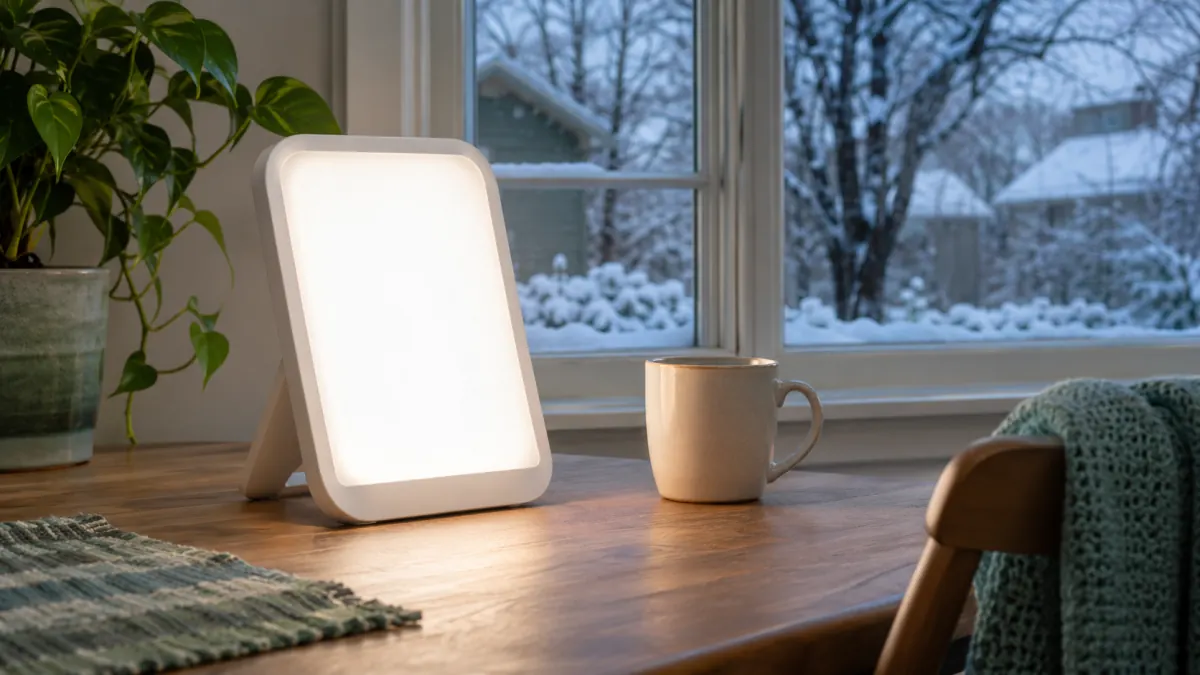
Light therapy, sometimes called bright light therapy, is one of the best-studied treatments for winter-pattern SAD. It involves sitting near a special light box that delivers bright light, commonly 10,000 lux, for a set period each morning.
General principles, to be adjusted with your clinician:
- Timing: Usually within the first hour after waking. Morning light seems to work best for most people.
- Duration: Often about 20 to 30 minutes per session, daily, through the season.
- Position: The light should reach your eyes indirectly, so you sit at the distance the manufacturer specifies while eating breakfast, reading or working. You don’t stare directly into it.
- Device: Choose a light designed for SAD that filters out ultraviolet light. Tanning beds and ordinary desk lamps are not substitutes.
- Patience: Many people notice improvement within one to two weeks, but it can take longer. Stopping abruptly in midwinter often brings symptoms back.
Light therapy is generally well tolerated. Possible side effects include headache, eye strain, nausea, irritability or trouble sleeping if used too late in the day. Talk to a clinician first if you have bipolar disorder, an eye condition such as glaucoma, cataracts or retinal disease, diabetes affecting the eyes, or if you take medications that make you more sensitive to light. Light boxes are sold at pharmacies and online, and costs vary; some workplace benefit plans may cover part of the cost with a prescription, so check your plan.
Talk therapy
Cognitive behavioural therapy (CBT), including a version adapted specifically for SAD, has good evidence and may help prevent symptoms from returning in future winters. CBT teaches practical skills for challenging unhelpful thought patterns and scheduling activities that rebuild energy and mood. Our clinic does not provide psychotherapy, but our clinicians can talk through options and, where appropriate, provide a specialist referral or point you to community and publicly funded mental health programs.
Medication
Antidepressants can be effective for SAD, either alone or with light therapy. Some people with a clear pattern each year start medication in early fall before symptoms usually begin, then taper in spring under medical guidance. Medication decisions depend on your history, other conditions and preferences, and should always be made with a clinician.
Everyday habits that help
These are not a replacement for treatment if you have SAD, but they support recovery and help people with milder winter dips:
- Get outside in daylight, ideally in the morning. Even on overcast days, outdoor light is far brighter than indoor lighting. A walk around Memorial Park in Stouffville or along a snowy trail on the Oak Ridges Moraine at lunchtime counts.
- Keep a consistent sleep and wake time, including weekends. Resist the urge to sleep in for hours, which can make the body clock drift further.
- Move regularly. Exercise has a real effect on mood. Indoor options like the track or pool at the Whitchurch-Stouffville Leisure Centre are useful when the sidewalks are icy.
- Open the blinds and sit near windows during the day.
- Protect social contact. Plan things with people even when you don’t feel like it, because isolation tends to feed low mood.
- Watch alcohol, which can worsen sleep and mood.
- Plan something for late winter. A small thing to look forward to in February can help.
If sleep is a big part of the struggle, our post on sleep problems and insomnia has practical guidance that pairs well with light therapy.
When it is more urgent
Depression, seasonal or not, can sometimes include thoughts of suicide or self-harm. These thoughts are a sign that you need support now, not a personal failing.
- Call or text 9-8-8, the Suicide Crisis Helpline, available 24 hours a day, seven days a week across Canada.
- Call 911 or go to the nearest emergency department, such as Markham Stouffville Hospital or Uxbridge Hospital, if you or someone you know is in immediate danger.
Also seek prompt help if you notice a sudden shift toward unusually high energy, little need for sleep, racing thoughts or risky behaviour, especially after starting light therapy or a new medication.
If you are worried about someone else, asking directly whether they are thinking about suicide does not put the idea in their head. It opens the door to getting help.
Can I just buy a light box and start using it?
Will vitamin D fix seasonal affective disorder?
Can I talk to someone about this virtually?
Talking it over with HealthSmart
If winter keeps knocking you flat, a conversation is a reasonable first step. Our clinicians can assess your symptoms, check for medical causes, talk through light therapy, discuss medication if appropriate and help you find counselling resources. You can book an appointment at our Main Street clinic or arrange a virtual care visit if getting out the door feels like too much right now. For directions and current hours, which may change, see our location page. You don’t need to have it all figured out before you come in; describing how the last few winters have felt is enough to get started.
This article shares general information for people in Stouffville and cannot replace an individual assessment by a health care professional. If you are in crisis, call or text 9-8-8 or call 911.