Fall Prevention for Seniors in Stouffville: Staying Steady at Home and Outdoors
Strength, balance, medication reviews and simple home fixes all lower the odds of a fall. A room-by-room guide for older Stouffville adults and their families.
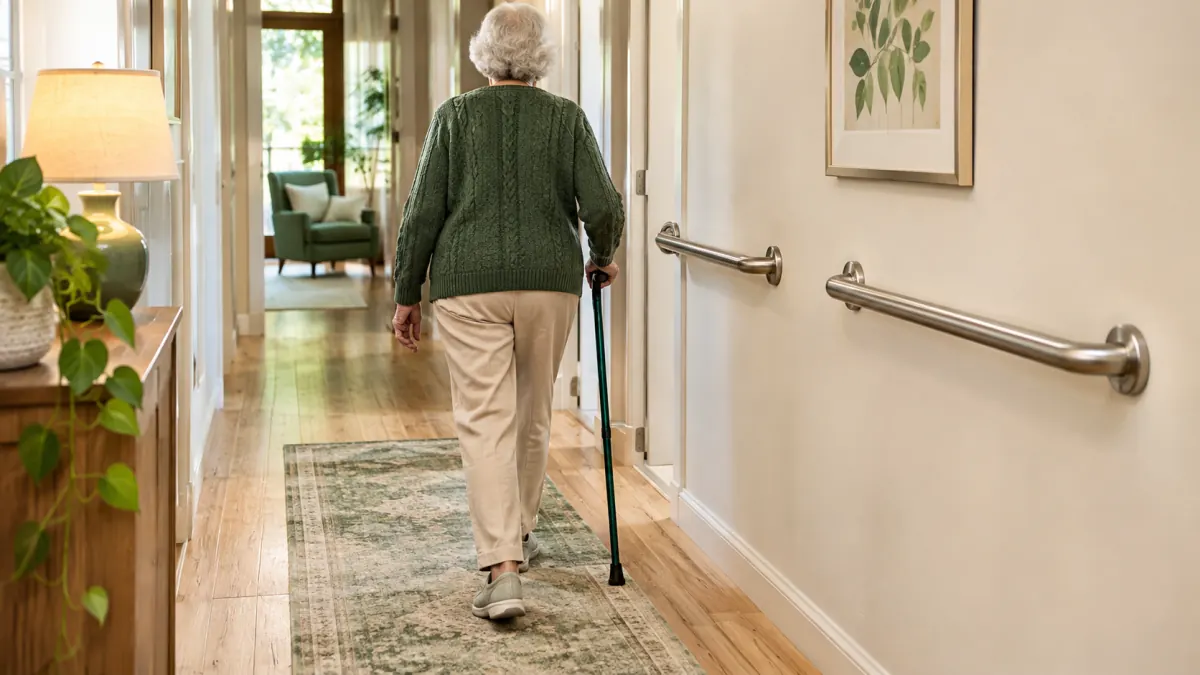
The end of March is a deceptive time to be on your feet in Stouffville. The snowbanks are shrinking and the afternoons feel almost like spring, but meltwater on driveways and sidewalks refreezes overnight into thin, nearly invisible ice. Plenty of falls happen not in the depths of January but on a mild-looking morning when someone steps out to get the paper without a second thought.
Falls are the leading cause of injury-related hospital stays among older Canadians, and somewhere between a fifth and a third of adults over 65 fall each year. Many falls cause only bruises and a bruised ego. Others lead to broken hips or wrists, head injuries, or a loss of confidence that quietly shrinks someone’s world. The encouraging part is that falls are not simply bad luck or an unavoidable part of ageing. Research consistently shows that the right combination of exercise, medication review and home changes reduces the risk. This guide is for older adults in Stouffville and the family members who worry about them.
Why falls become more likely with age
Most falls have more than one cause. The more risk factors a person has, the higher their chances of falling. Common ones include:
- Weaker muscles, especially in the legs and hips, and slower reflexes
- Balance and walking problems, from inner ear changes, arthritis, neuropathy, Parkinson’s disease or a previous stroke
- Medications, particularly sleeping pills, sedatives, some antidepressants, opioid pain medicines, and blood pressure medications that cause dizziness when standing. Taking four or more medications also raises the risk.
- Vision changes, such as cataracts, glaucoma, or wearing an outdated prescription or bifocals on stairs
- Low blood pressure on standing, causing lightheadedness when getting out of bed or a chair
- Foot problems and poorly fitting footwear
- Needing the bathroom urgently, especially at night
- Memory problems or confusion
- Alcohol
- Home hazards like clutter, loose rugs, poor lighting and missing railings
- A previous fall, which is one of the strongest predictors of another
- Fear of falling, which can lead people to move less, weakening muscles and creating a cycle
Some of these factors can’t be changed. Many can.
Strength and balance: the most powerful step
If you do one thing after reading this, make it this: build leg strength and balance. Exercise programs that challenge balance reduce falls substantially in older adults, and the benefits come at any age or fitness level.
Effective exercise for fall prevention usually includes:
- Balance training: standing on one leg (holding a counter), heel-to-toe walking, or shifting weight side to side
- Leg strengthening: sit-to-stand from a chair, mini squats, heel and toe raises
- Tai chi, which has good evidence for reducing falls and is offered in many community settings
- Walking, for general fitness, endurance and confidence
Aim for activity most days, with balance and strength work at least two or three times a week. Many community centres, including the Whitchurch-Stouffville Leisure Centre, offer programs for older adults, and a physiotherapist can design a home program if you have specific limitations. Start gently, and check with your doctor first if you have heart disease, recent surgery or other significant health conditions.
A medication review
Ask your doctor or pharmacist to look at everything you take, including over-the-counter products, sleep aids, and supplements. Questions worth raising:
- Could any of these make me dizzy, drowsy or unsteady?
- Is there anything I no longer need?
- Could a dose be lowered or changed to a safer alternative?
- Does my blood pressure drop when I stand up?
Never stop a medication suddenly without advice, since some, such as certain sleeping pills and antidepressants, need to be tapered. A chronic disease follow-up visit is a natural moment for this review if you’re managing conditions like high blood pressure or diabetes.
Eyes, ears and feet
- Eyes: OHIP covers routine eye exams for adults 65 and older. Keep glasses up to date and consider single-vision distance glasses for walking outdoors, since bifocal and progressive lenses can blur stairs and curbs.
- Ears: Hearing loss is linked to a higher risk of falls. A hearing check is worth considering if family members notice you turning up the TV.
- Feet: Choose shoes with a firm heel, thin non-slip soles and a secure fastening. Avoid walking in socks or loose slippers. Get painful feet, bunions or thick toenails checked.
Bone health
Not every fall can be prevented, so it also matters how well your bones can withstand one. Osteoporosis makes fractures more likely after even a minor fall. Talk to your doctor about:
- Whether you need a bone density test
- Calcium from food, and whether you need a vitamin D supplement
- Medication to strengthen bones if your fracture risk is high
Regular annual physical exams or preventive visits are a good time to review your fracture risk.
A room-by-room home safety checklist
Walk through your home, or a parent’s house across Stouffville, with fresh eyes.
Entrances and outdoors
- Keep steps and walkways clear of snow, ice, leaves and clutter
- Salt or sand early on freeze-thaw mornings
- Install sturdy handrails on both sides of outdoor steps
- Use motion-sensor lights at doors
- Consider ice grippers that fit over boots for winter walks; remove them before walking on indoor floors
Stairs and hallways
- Railings on both sides, running the full length of the stairs
- Bright lighting with switches at the top and bottom
- Contrasting tape on the edge of each step if they’re hard to see
- Nothing stored on the stairs, ever
Bathroom
- Grab bars by the toilet and in the tub or shower; towel racks aren’t designed to bear weight
- Non-slip mats inside and outside the tub
- A shower chair and hand-held shower head
- A raised toilet seat if getting up is difficult
- A night light for night-time trips
Bedroom
- A lamp or light switch within easy reach of the bed
- A clear path from bed to bathroom
- Sit on the edge of the bed for a moment before standing up
Kitchen and living areas
- Remove or securely tape down throw rugs
- Tuck away cords and keep floors clutter-free
- Store everyday items between hip and shoulder height to avoid step stools
- Choose chairs with armrests that make standing easier
Pets add warmth to a home but can trip people up, too. A bell on a cat’s collar helps you know where they are.
Using a cane or walker correctly
A mobility aid can be a great help, but only if it’s the right type and properly fitted. A cane should reach the crease of your wrist when your arm hangs at your side, and it’s usually held in the hand opposite the weaker or sore leg. Walkers need regular checks of brakes and rubber tips. A physiotherapist or occupational therapist can recommend and adjust the right aid. Using one is a sign of good planning, not weakness.
If you do fall
Knowing what to do can reduce harm and fear.
- Stay still for a moment. Take a few breaths and check whether you’re hurt.
- If you’re injured or can’t get up, call for help. Keep a phone within reach, or wear a personal emergency alarm if you live alone.
- If you feel able to get up, roll onto your side, then come up onto your hands and knees.
- Crawl to a sturdy chair, put your hands on the seat, bring one foot forward, and push up slowly.
- Turn and sit down, rest, then tell someone what happened.
- If you can’t get up, keep warm with whatever is nearby, and change position gently every so often while you wait.
Practising this with a physiotherapist while you’re well can build confidence.
After a fall: when to get checked
Even if you feel fine, tell your doctor about any fall. It may reveal a treatable cause such as a medication side effect, an infection, a heart rhythm problem, or low blood pressure.
Call 911 or go to the emergency department (Markham Stouffville Hospital or Uxbridge Hospital) if after a fall there is:
- A head injury in someone taking blood thinners, even if they seem well
- Confusion, severe headache, vomiting or drowsiness
- Inability to bear weight, or a leg that looks shortened or turned outward (a possible hip fracture)
- Chest pain, palpitations, or fainting before the fall
- Severe pain, deformity or significant bleeding
Our earlier post on winter wellness covers icy sidewalks and shovelling; this article goes further into the indoor and medical side of preventing falls year-round.
My mother is afraid of falling and has stopped going out. What can help?
Can a fall risk review be done virtually?
Planning a fall-risk check
If you or a parent has fallen recently, feels unsteady, or simply wants to stay independent as long as possible, our Stouffville team can review risk factors, medications and bone health and suggest practical next steps. Book an appointment to get started, and visit our family doctor page to learn about ongoing primary care at the clinic. Family members are welcome to come along to help with questions.
This guide offers general safety and health information and is not a substitute for personalized advice from your doctor or other health professional.