Shortness of Breath in Stouffville: Sorting Out the Causes and Red Flags
Getting winded faster than you used to can stem from the lungs, the heart, low iron or deconditioning. Stouffville guidance on which signs need help right away.
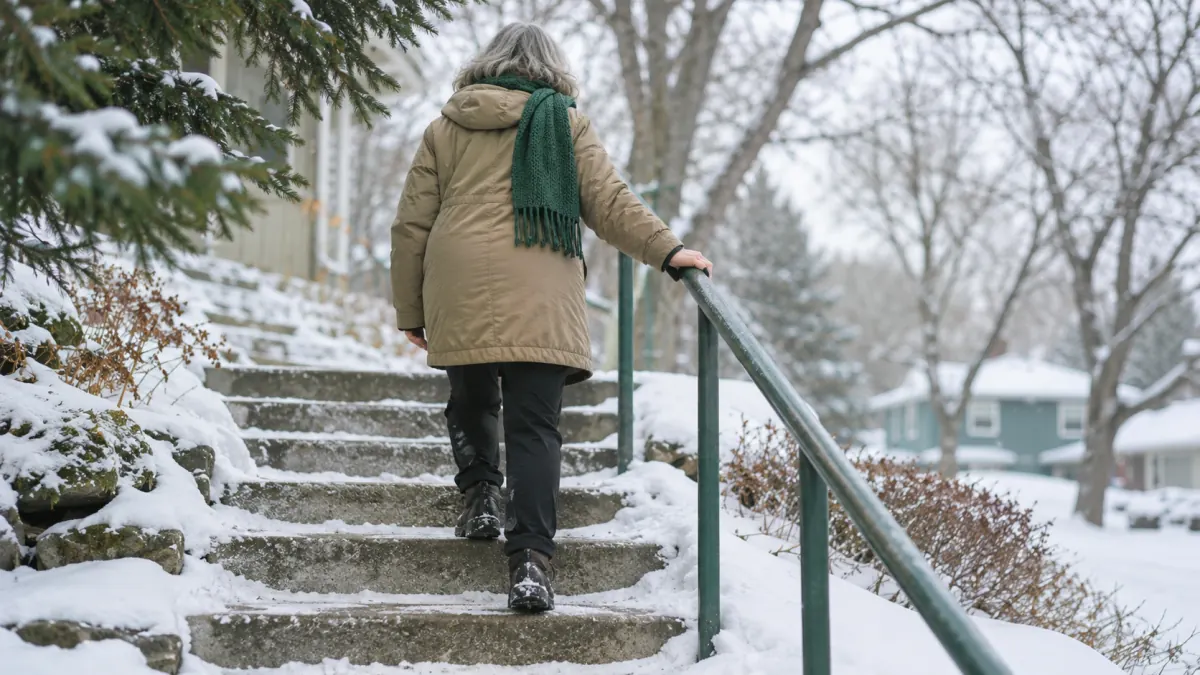
Breathlessness works a lot like the warning light on a car’s dashboard. It tells you something in the system is working harder than it should, but not which part. The cause might be the lungs, the heart, the blood, the muscles or simply months of less activity than usual, and the only way to know is to look under the hood. Sometimes the light flickers on after a long climb up a snowy staircase and goes off a minute later, which is normal. Sometimes it stays on, or comes on with very little effort, and that deserves attention.
In winter, Stouffville residents notice their breathing more than at any other time of year. Cold, dry air irritates the airways, respiratory viruses circulate, and shovelling the driveway after a storm is real exertion. This guide explains how clinicians think about shortness of breath, the most common causes, the tests you might have and, first of all, the signs that mean you should not wait.
Emergency signs come first
Call 911 or go directly to the nearest emergency department, such as Markham Stouffville Hospital or Uxbridge Hospital, if shortness of breath comes with any of the following:
- Chest pain, pressure, tightness or discomfort spreading to the arm, jaw, neck or back
- Sudden, severe breathlessness, especially at rest
- Breathlessness with a racing or irregular heartbeat, fainting or near-fainting
- Blue or grey lips, face or fingertips
- Difficulty speaking in full sentences
- Confusion, unusual drowsiness or agitation
- Sudden breathlessness with one-sided chest pain, especially after recent surgery, a long trip, a leg cast or with a swollen, painful calf, which can suggest a blood clot in the lung
- Coughing up blood
- Throat or tongue swelling, hives or wheezing after a food, medication or sting, which can be anaphylaxis
- A reliever inhaler that isn’t helping during an asthma attack
Don’t drive yourself if you have chest pain or severe breathlessness. Call 911; paramedics can start treatment on the way.
How doctors describe breathlessness
When you come in with shortness of breath, your clinician will want to pin down a few details. Thinking about them beforehand makes the visit more productive.
How quickly did it start?
- Sudden (minutes to hours): asthma attack, blood clot in the lung, collapsed lung, heart rhythm problem, heart attack, allergic reaction, panic attack
- Over days: chest infection, pneumonia, a COPD flare, worsening heart failure
- Over weeks to months: anemia, chronic lung disease, heart failure, valve problems, weight gain, deconditioning, thyroid conditions
How much activity brings it on?
Many clinicians use a simple grading scale, similar to this:
| Grade | Description |
|---|---|
| 1 | Breathless only with strenuous exercise |
| 2 | Short of breath hurrying on flat ground or walking up a slight hill |
| 3 | Walks slower than people of the same age on flat ground, or has to stop for breath at own pace |
| 4 | Stops for breath after about 100 metres or a few minutes on flat ground |
| 5 | Too breathless to leave the house, or breathless when dressing |
Noticing that you’ve moved from a 1 to a 3 over the past year is meaningful information, even if you feel fine sitting still.
What makes it better or worse?
- Lying flat, needing extra pillows or waking up gasping can suggest heart failure
- Cold air, exercise, allergens or smoke point toward asthma or reactive airways
- Leaning forward or sitting up helps some lung and heart conditions
- Stress or worry may trigger rapid, shallow breathing with tingling around the mouth and fingers
What else comes along with it?
A cough with coloured sputum and fever, ankle swelling, palpitations, wheezing, weight loss, fatigue and pale skin each steer the investigation in a different direction.
Common causes, grouped by system
The lungs
- Asthma. Wheeze, chest tightness and cough, often worse at night, with exercise or in cold air. It can start at any age, including in adults who never had it as children.
- COPD. Usually in current or former smokers, with gradual breathlessness, chronic cough and frequent winter chest infections. Our COPD management service supports long-term care.
- Infections. Bronchitis, pneumonia, influenza, COVID-19 and RSV can all cause breathlessness, sometimes lingering for weeks after the infection clears.
- Blood clots in the lung (pulmonary embolism). Often sudden, sometimes with chest pain or a racing heart.
- Scarring or inflammation of lung tissue, which is less common and causes gradual, progressive breathlessness with a dry cough.
The heart
- Coronary artery disease. Some people, especially women, older adults and people with diabetes, experience breathlessness rather than chest pain as their main symptom of reduced blood flow to the heart. Shortness of breath on exertion that is new and getting worse should be checked promptly.
- Heart failure. The heart pumps less effectively, leading to fluid buildup in the lungs and legs. Clues include ankle swelling, rapid weight gain over days, and breathlessness lying flat.
- Heart rhythm problems, such as atrial fibrillation, which can cause palpitations, fatigue and breathlessness.
- Heart valve disease, sometimes detected first as a murmur.
If you have heart risk factors, our heart health monitoring service focuses on assessing and managing them. Snow clearing deserves special mention in Stouffville: heavy shovelling raises heart strain significantly, which our article on shovelling and heart risk explores in detail.
The blood and metabolism
- Anemia. Low hemoglobin means less oxygen delivered with each heartbeat. Heavy periods, low dietary iron and slow bleeding from the gut are common reasons. Our post on low iron and fatigue explains the connection.
- Thyroid disorders, both overactive and underactive.
- Kidney disease, which can cause fluid retention and anemia.
Everything else
- Deconditioning. After an illness, a winter indoors or a period of reduced activity, the heart and muscles lose fitness quickly. This is common, reversible and still worth confirming, rather than assuming.
- Excess weight, which increases the work of breathing.
- Anxiety and panic, which produce very real physical breathlessness. They’re a diagnosis to consider after physical causes have been looked at, not before.
- Pregnancy, during which mild breathlessness is common, though sudden or severe breathlessness is not.
- Medications, including some blood pressure medicines that can trigger airway narrowing.
What tests might be done
The first visit usually includes a history and physical exam, checking your pulse, blood pressure, temperature, oxygen level and listening to your heart and lungs. Depending on the findings, next steps can include:
- Blood work, such as a complete blood count, thyroid tests, kidney function and sometimes markers of heart strain
- An electrocardiogram to look at heart rhythm and signs of strain or reduced blood flow. Our ECG testing page explains the test.
- A chest X-ray
- Spirometry, a breathing test that measures how much air you can blow out and how quickly, used to diagnose asthma and COPD
- An echocardiogram (heart ultrasound)
- Exercise testing, or other specialized tests through a specialist referral
A note on home pulse oximeters
Fingertip oxygen monitors are handy, but they have limits. Cold fingers, nail polish and poor circulation can affect readings, and studies have shown they can overestimate oxygen levels in people with darker skin. Use them as one piece of information alongside how you feel; never let a normal number talk you out of getting help if you feel seriously unwell.
Breathing easier in a Stouffville winter
While you’re waiting to be assessed, or once serious causes have been ruled out, a few practical habits help:
- Wear a scarf or face covering over your nose and mouth in very cold air to warm it before it reaches your lungs
- Use your reliever inhaler before outdoor activity if prescribed for exercise-induced symptoms
- Pace snow clearing, push rather than lift where possible, and consider help if you have heart or lung conditions
- Stay current on flu, COVID-19 and other recommended vaccines
- Walk indoors on frigid days; the Whitchurch-Stouffville Leisure Centre and local malls offer climate-controlled options
- Build activity back gradually after an illness, rather than all at once
Is it normal to feel out of breath walking up stairs?
Could my breathlessness just be anxiety?
When you’re ready to get it checked
New or worsening breathlessness without emergency signs is a good reason for a prompt visit rather than waiting for your next routine checkup. Our walk-in clinic can assess new symptoms, and you can book an appointment online for a planned visit to go over longer-standing concerns. Write down when the breathlessness started, what brings it on and any other symptoms; that short note often points our Stouffville team in the right direction faster than any test. Hours may change, so check the clinic’s location page before heading to Main Street.
This article is general information and should not stand in for urgent care or the advice of a clinician who has assessed you.