Shovelling Snow and Your Heart in Stouffville: Who Is at Risk and How to Clear the Driveway Safely
Clearing heavy snow can strain the heart as much as a treadmill stress test. Warning signs, who should hand off the shovel, and safer habits for Stouffville.
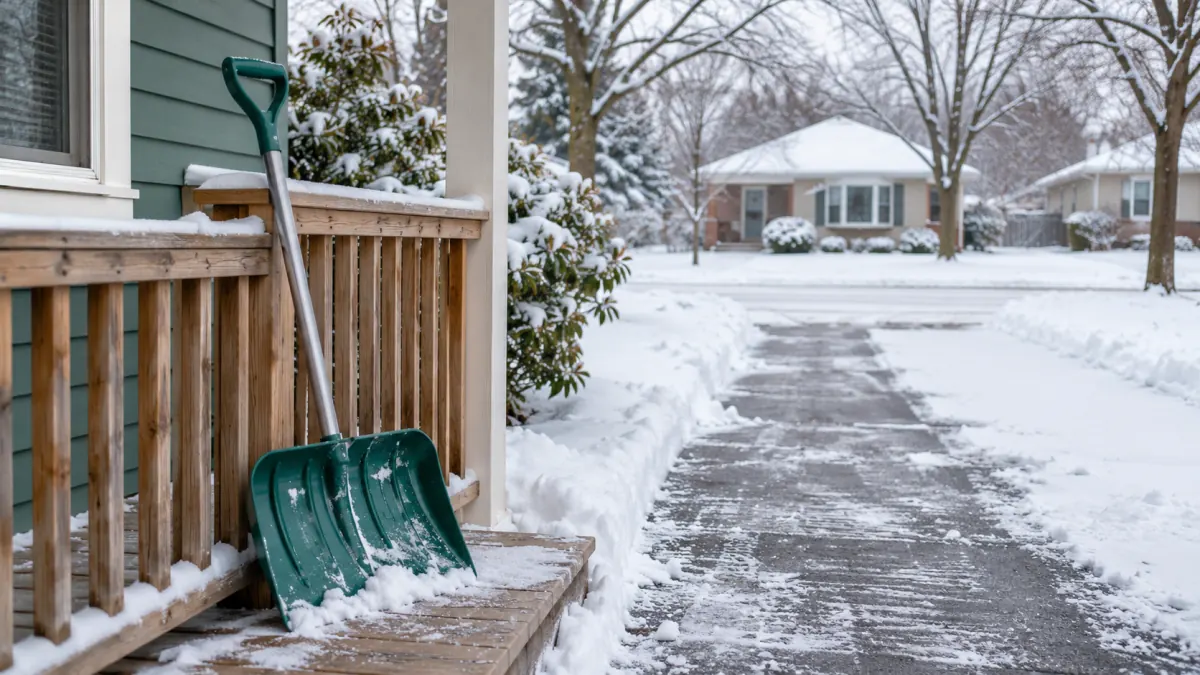
Cardiologists use a treadmill stress test to push the heart hard on purpose, under supervision, with monitors attached and staff ready to stop the test at the first sign of trouble. Researchers who have measured people shovelling snow found that clearing a driveway can drive the heart rate and blood pressure into a similar range, sometimes within the first couple of minutes. The difference is that nobody is watching the monitor in your driveway. After a heavy, wet snowfall, plenty of Stouffville homeowners head out at 7 a.m. with no warm-up, a cup of coffee in their system and a bus or GO train to catch, and they do the hardest physical work of their week in cold air. For most people, that is fine. For some, it is the moment an undiagnosed heart problem shows itself. This post looks at why shovelling is so demanding, who should be cautious, how to recognize warning signs, and how to make the job safer.
What makes shovelling different from other exercise
Shovelling combines several stresses on the heart at once, and the combination matters more than any single factor.
Cold air tightens blood vessels
When you step outside in winter, blood vessels in the skin narrow to conserve heat. That raises blood pressure and makes the heart work harder to pump. In some people with narrowed coronary arteries, cold can also reduce blood flow to the heart muscle itself. Breathing cold air can add to that effect.
Arm work is harder on the heart than leg work
Lifting with the arms raises blood pressure and heart rate more than walking or cycling at the same effort, because the arm muscles are smaller and must work closer to their limit. Shovelling also involves gripping and straining, and many people hold their breath as they lift. Breath-holding during effort causes a sharp spike in pressure inside the chest and the blood vessels.
The load is heavier than it looks
A single scoop of fresh powder is light. A scoop of wet, packed snow, or the dense ridge the plough leaves at the end of the driveway, can weigh several kilograms. Over half an hour, especially on the longer driveways common on the rural edges of Stouffville, a driveway can add up to a surprising total. The plough ridge in particular tends to arrive when people are already tired.
Timing works against you
Many people shovel early in the morning, when heart attacks are already somewhat more common due to natural daily changes in hormones and blood pressure. Add a rush to get to work, a heavy breakfast, or a cigarette, and the strain builds.
Who should think twice before picking up the shovel
Anyone can be affected, but the risk is concentrated in people who already have heart disease or risk factors for it, especially if they are not usually active. You should talk to a clinician before shovelling, or seriously consider handing the job to someone else, if you:
- Have had a heart attack, angina, a stent, bypass surgery or heart failure
- Have high blood pressure, particularly if it is not well controlled
- Have diabetes, high cholesterol or chronic kidney disease
- Smoke or have recently quit
- Are older, generally considered over 45 for men and 55 for women, and rarely exercise
- Have been told you have a heart valve problem or an irregular rhythm
- Have chronic lung disease such as COPD, where cold air and exertion can both trigger breathlessness
People who are fit and exercise regularly tolerate shovelling better, but being active in summer does not guarantee fitness in February. If your main workouts are gardening and walks along the trails, a two-month break in deep winter means you are starting from a lower baseline.
If you are not sure whether your heart is healthy, that is a reasonable question to bring to an appointment before the next big storm. Our heart health monitoring visits review blood pressure, cholesterol and other risk factors, and an ECG may be part of the assessment if your clinician thinks it would help. For a broader look at cardiovascular risk, see our earlier post on heart health in Stouffville.
Warning signs: stop, rest, and know when to call 911
Stop shovelling immediately if you notice any of the following, go indoors, and rest:
- Chest discomfort: pressure, squeezing, heaviness, tightness or burning
- Discomfort spreading to the arm, shoulder, neck, jaw or back
- Shortness of breath out of proportion to the effort
- Sweating, nausea or vomiting
- Light-headedness, dizziness or feeling faint
- A racing, pounding or irregular heartbeat
Women, older adults and people with diabetes are more likely to have heart attack symptoms that are vague or atypical, such as unusual fatigue, shortness of breath, indigestion-like discomfort or nausea, without dramatic chest pain.
Call 911 right away if symptoms last more than a few minutes, go away and come back, or are severe. Do not drive yourself to the hospital, and do not let someone drive you if an ambulance can come. Paramedics can begin treatment and run an ECG on the way, and they will take you to the most appropriate hospital. The 911 dispatcher may advise chewing a tablet of acetylsalicylic acid (ASA) if it is safe for you; follow their instructions.
If someone collapses and is unresponsive, call 911, start chest compressions and ask a bystander to find an automated external defibrillator (AED) if one is nearby. Many public places in town have AEDs, and the 911 dispatcher can coach you through CPR.
Don’t dismiss symptoms that settle
A common pattern is someone who felt tight across the chest while shovelling, went inside, felt better after 10 minutes and carried on with the day. Symptoms that come on with effort and ease with rest can be a sign of angina, which means the heart muscle is not getting enough blood during exertion. That needs a medical assessment soon, even if you feel fine now. If it happened once and has not recurred, book a visit within days, not weeks. If it is happening repeatedly or with less effort, seek urgent care.
A safer way to clear the driveway
If your clinician has said it is reasonable for you to shovel, these steps reduce the strain considerably.
- Wait a bit after waking and eating. Give yourself at least half an hour after getting up, and avoid shovelling right after a big meal, when blood flow is busy with digestion.
- Skip the cigarette and the extra coffee. Both raise heart rate and blood pressure.
- Warm up indoors for five to 10 minutes. March on the spot, roll your shoulders, swing your arms gently and do a few squats.
- Dress in layers and cover your face. A scarf or neck warmer over your mouth and nose warms the air you breathe. Wear a hat and gloves, and boots with good tread.
- Choose a smaller, lighter shovel. A smaller blade forces smaller loads. An ergonomic shaft can reduce bending.
- Push rather than lift. Use a pusher-style shovel to slide snow to the edge whenever possible.
- If you must lift, keep the load small. Bend at the knees, keep the shovel close to your body, and turn with your feet rather than twisting your back. Never throw snow over your shoulder.
- Breathe steadily. Exhale as you lift. Avoid holding your breath and straining.
- Pace yourself and take breaks. Work for a few minutes, then rest. Go inside to warm up if you need to.
- Clear snow in stages during a storm. Two or three light passes are far easier on the heart than one heavy session at the end, and fresh snow is lighter than snow that has settled and been compacted by tires.
- Hydrate. Cold air is dry, and you lose more fluid than you think through breathing and sweating under winter layers.
- Know when to stop. The ridge at the end of the driveway can wait, or someone else can tackle it.
What about snowblowers?
A snowblower greatly reduces the effort on the heart, which is good news for people with cardiac risk factors. It is not completely without strain, though, since pushing a heavy machine through deep snow is still work. Snowblowers also cause serious hand and finger injuries every winter. Never reach into the chute or auger with your hand, even if the engine is off, because stored tension can make the blades move when a clog is cleared. Use the clearing tool that came with the machine, and keep children well away.
Backs, falls and frostbite: the other shovelling injuries
The heart gets the headlines, but most shovelling injuries seen in clinics are musculoskeletal:
- Low back strain from twisting while lifting. Our low back pain post covers what helps and what red flags to look for.
- Shoulder and wrist strains from repetitive throwing motions.
- Slips and falls on ice hidden under fresh snow. Salt or sand the path as you go, and wear footwear with real grip.
- Frostbite, especially on fingertips, cheeks and ears during long sessions in wind. Pale, waxy or numb skin should be warmed gently, never rubbed with snow.
Most strains can be treated with relative rest, gentle movement and over-the-counter pain relief if they are safe for you. If pain is severe, comes with numbness or weakness in a leg, or you suspect a fracture after a fall, get assessed.
Practical alternatives for households in Stouffville
The safest strategy for someone with significant heart risk may simply be not to shovel. Options to think about:
- Ask a neighbour, family member or a teenager on the street. Many people are happy to help, especially on cul-de-sacs where everyone is out at once.
- Arrange a seasonal snow-clearing service before winter starts, when availability tends to be better.
- Ask whether the Town of Whitchurch-Stouffville or local community groups offer snow-clearing help for older adults or people with disabilities; programs change, so contact the town directly to confirm.
- Leave non-essential areas, like a side path or a back deck, until the weather warms.
Accepting help can feel like giving something up, but it’s a sensible trade when your heart is part of the equation.
I have high blood pressure but it's controlled on medication. Can I shovel?
Is it safer to shovel in the afternoon?
Before the next storm: getting checked at HealthSmart
If you have heart risk factors, haven’t had your blood pressure or cholesterol checked in a while, or noticed chest discomfort or breathlessness while clearing snow this winter, it is worth getting assessed before the next snowfall. You can book an appointment for a review with our team, and if you’re managing an ongoing condition, our chronic disease follow-up care visits help keep things on track. Remember that symptoms happening right now are a 911 call, not an appointment.
This is general health information for readers in Stouffville and is not a substitute for individual medical advice.