Skiing and Skating Injuries in Stouffville: Wrists, Knees, Heads and How to Prevent Them
Wrist fractures, knee sprains, skier's thumb and head knocks on rinks and slopes. First aid, when to get an X-ray and gear tips for Stouffville families.
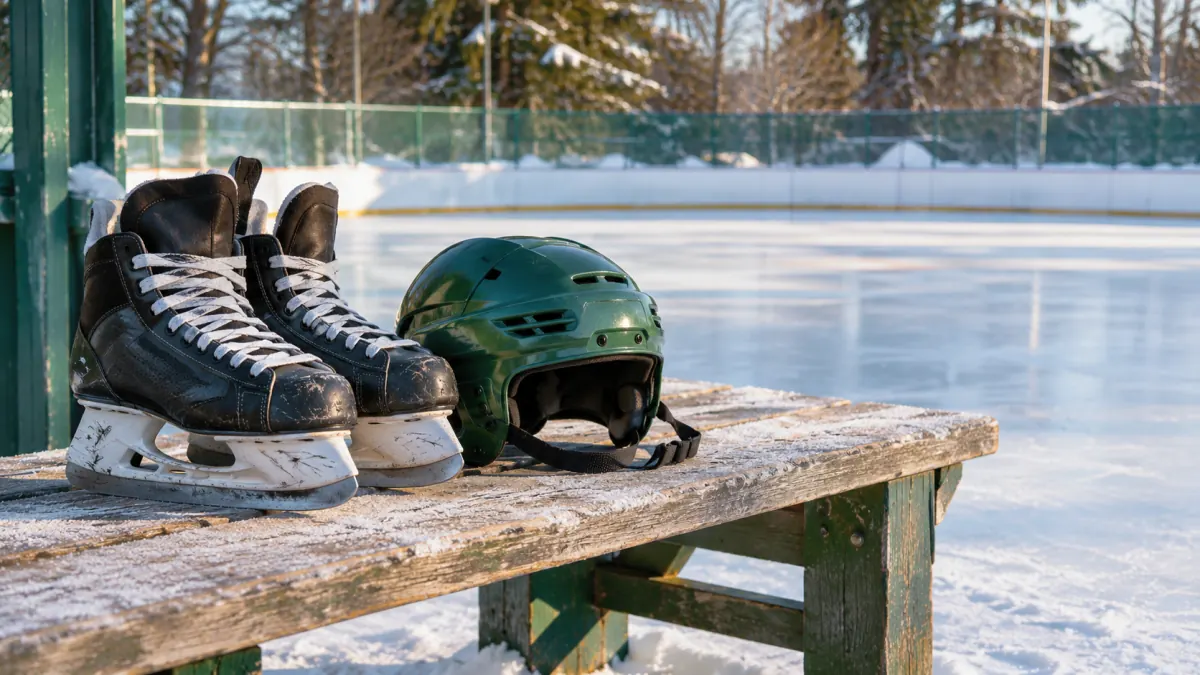
The first long cold snap of the winter changes the soundscape around town. Garden hoses come out at night to flood backyard rinks, the scrape of blades starts up at outdoor pads, and car roofs fill with ski racks heading north and east toward the hills on Saturday mornings. Then, almost on schedule, clinics start seeing the other side of the season: the swollen wrist from a backward fall on the ice, the knee that twisted while the ski didn’t, the thumb that caught in a pole strap, and the child who “just bumped his head” but has been quiet ever since.
Skating, skiing and snowboarding are some of the best ways to stay active through an Ontario winter, and nobody should give them up for fear of getting hurt. Most injuries are minor, and many of the serious ones are preventable with the right gear and a bit of judgement. This article walks Stouffville families through the most common winter sports injuries, the first aid that helps, the signs that mean you need an X-ray or emergency care, and practical ways to lower the risk before you lace up or click in.
The injuries we see most often
Wrist injuries
Falling onto an outstretched hand is the classic skating injury, and it’s also very common among snowboarders, who can’t use poles to catch themselves. The result ranges from a sprain to a broken wrist, typically a fracture at the end of the radius just above the wrist.
One injury deserves special mention: the scaphoid fracture, a break in a small bone at the base of the thumb side of the wrist. It often looks minor, with only mild swelling, and the first X-ray may appear normal. But if missed, it can heal poorly. Tenderness in the hollow at the base of the thumb after a fall is a reason to get it checked, and doctors will often splint the wrist and repeat the X-ray after a week or two if suspicion remains.
Knee injuries
For skiers, the knee takes the brunt. Twisting falls where the ski stays planted can sprain or tear the ligaments, most often the medial collateral ligament (MCL) on the inner side of the knee or the anterior cruciate ligament (ACL) in the centre. Clues to a more serious ligament injury include a “pop” at the time of injury, rapid swelling within a few hours, and a sense that the knee gives way.
Skier’s thumb
When you fall with a ski pole in hand, the pole can lever the thumb backward and outward, spraining or tearing the ligament on the inner side of the thumb’s base. It’s called skier’s thumb, and it makes pinching and gripping painful and weak. Significant tears may need splinting for several weeks or, occasionally, surgical repair, so it’s worth having it examined rather than waiting it out.
Shoulder and collarbone injuries
Falls directly onto the shoulder, or onto an outstretched arm, can cause a dislocated shoulder, a separated shoulder (an injury at the top of the shoulder joint), or a broken collarbone. These are common in both snowboarding and skating. A visible deformity, an arm held tightly against the body, or an inability to lift the arm needs prompt assessment.
Ankle injuries
Skates and ski boots protect the ankle reasonably well, but snowboarders in soft boots can sprain or fracture the ankle. A specific fracture of a small bone in the ankle, sometimes called “snowboarder’s fracture,” can masquerade as a sprain, so ongoing pain after a fall on the board deserves attention.
Head injuries
Falls backward on the ice and collisions on the slopes can cause concussions and, less often, more serious head injuries. Helmets reduce the risk of serious head injury significantly, though no helmet can fully prevent concussion. Our article on concussion care explains symptoms and the step-by-step return to activity.
Cuts and cold injuries
Skate blades are sharp. Lacerations, especially to hands and fingers in pile-ups during shinny games, can need stitches. And long days outside bring the risk of frostbite on cheeks, ears, fingers and toes, especially in wind or when gloves get wet.
First aid in the first 48 hours
For sprains, strains and bruises that don’t need emergency care:
- Protect the injured area and stop the activity. Skiing “one more run” on a sore knee is a common way to make things worse.
- Rest for the first day or two, using crutches or a sling if needed.
- Ice wrapped in a cloth for 15 to 20 minutes every two to three hours. Don’t put ice directly on skin, especially after time in the cold.
- Compression with an elastic bandage, snug but not tight.
- Elevation above the level of the heart where practical.
- Pain relief with acetaminophen or ibuprofen if suitable for you.
After the first couple of days, gentle movement within comfortable limits usually speeds recovery. Our guide to sprains and strains covers rehab and return to activity in more detail.
Does this need an X-ray?
| Sign after an injury | Suggests |
|---|---|
| Can’t bear weight for four steps right after the injury or at assessment | Possible fracture; X-ray likely |
| Pain or tenderness right over a bone (not just soft tissue) | Possible fracture |
| Tenderness at the base of the thumb on the wrist after a fall | Possible scaphoid fracture |
| Visible deformity, or a joint that looks out of place | Fracture or dislocation; urgent care |
| Rapid knee swelling and a “pop” | Possible ligament tear; assessment needed |
| Unable to pinch or grip after a pole fall | Possible skier’s thumb ligament tear |
| Mild swelling, able to walk and use the limb | Often a sprain, managed at home with follow-up if not improving |
A doctor uses these clinical clues to decide whether imaging will actually help. The clinic can arrange diagnostic imaging referrals for X-rays and, when needed, ultrasound or MRI.
When to go to the emergency department
Call 911 or go directly to emergency, at Markham Stouffville Hospital or Uxbridge Hospital, for:
- A head injury with loss of consciousness, repeated vomiting, worsening headache, confusion, seizure, unequal pupils, or unusual drowsiness
- Suspected neck or back injury, especially with numbness, tingling or weakness. Don’t move the person unless they’re in danger
- An obvious deformity, a bone through the skin, or a limb that is cold, pale or numb below the injury
- A dislocated shoulder or other joint that hasn’t gone back into place
- Deep cuts with heavy bleeding or exposed tissue
- Anyone who falls through ice into cold water, even if they seem fine afterward
Preventing injuries this season
On the ice
- Helmets for learners and kids. Children learning to skate, and anyone unsteady on skates, should wear a CSA-certified hockey helmet. Bike helmets aren’t designed for ice falls.
- Learn to fall. Bending the knees and falling to the side, rather than backward, protects the head. Many learn-to-skate programs teach this.
- Check skates. Properly sharpened blades and boots that support the ankle reduce falls.
- Be careful on natural ice. Ponds, the Stouffville Reservoir and Musselman’s Lake can look solid while having thin or weak spots, especially near inlets, docks and moving water. The Lifesaving Society advises at least 15 cm of clear, hard ice for walking or skating alone and 20 cm for a group, and recommends checking local conditions. Supervised, maintained rinks are the safer choice for families.
On the slopes
- Wear a ski or snowboard helmet that fits snugly and is certified for snow sports.
- Snowboarders: consider wrist guards, which have been shown to reduce wrist injuries, especially for beginners.
- Get bindings adjusted by a ski shop to your weight, height, boot size and ability, and have them checked each season.
- Use poles correctly. Avoid wrapping straps tightly around your wrist, and try to let go of the pole as you fall.
- Take a lesson if you’re new or returning after years away. Good technique is protective.
- Know when to stop. Many injuries happen late in the day when legs are tired and light is flat.
For everyone
- Warm up with a few minutes of easy movement before hitting the ice or the first run.
- Dress in layers and bring spare dry gloves and socks.
- Stay hydrated and eat during long days outside.
- Get fitter before the season. Leg and core strength help protect knees; a pre-season check is a good idea for anyone with an old injury.
- Skip alcohol while skiing or skating; it slows reactions and increases risk.
Getting back out there after an injury
The temptation, especially for teens in hockey or ski club, is to return as soon as the pain fades. But pain-free at rest isn’t the same as ready for a fall at speed. Before going back, you should have full or near-full range of motion, strength similar to the uninjured side, and the ability to hop, twist, grip or push off without pain, depending on the injury. A wrist that has been in a cast usually needs a few weeks of rebuilding strength, and a knee ligament injury may need a structured physiotherapy program and a brace for a period of time.
Concussions follow their own gradual return-to-sport steps, and children and teens should not go back to contact or high-risk activities until cleared by a doctor. Plenty of Stouffville families find it helpful to book a short follow-up visit before the next tournament or ski trip, rather than guessing. If your child plays organized sport in Stouffville and needs a form completed for return to play, bring it to the appointment; some forms may not be covered by OHIP, so ask the clinic.
Hurt on the hill or the ice? Here’s how we can help
For non-emergency winter sports injuries, the HealthSmart walk-in clinic in Stouffville can examine sprains, swollen wrists, sore knees and minor cuts, arrange X-rays when needed, and plan follow-up. Book an appointment or contact us if you’re not sure whether an injury needs to be seen. Have a great winter out there, and wear the helmet.
This article is intended as general information on winter sports injuries; individual injuries need individual assessment.