Skin Tag Removal in Stouffville: What They Are, Safe Options, and OHIP Coverage
Skin tags are harmless but can snag on collars and jewellery. A Stouffville guide to how they are removed in clinic, aftercare, and why home kits can backfire.
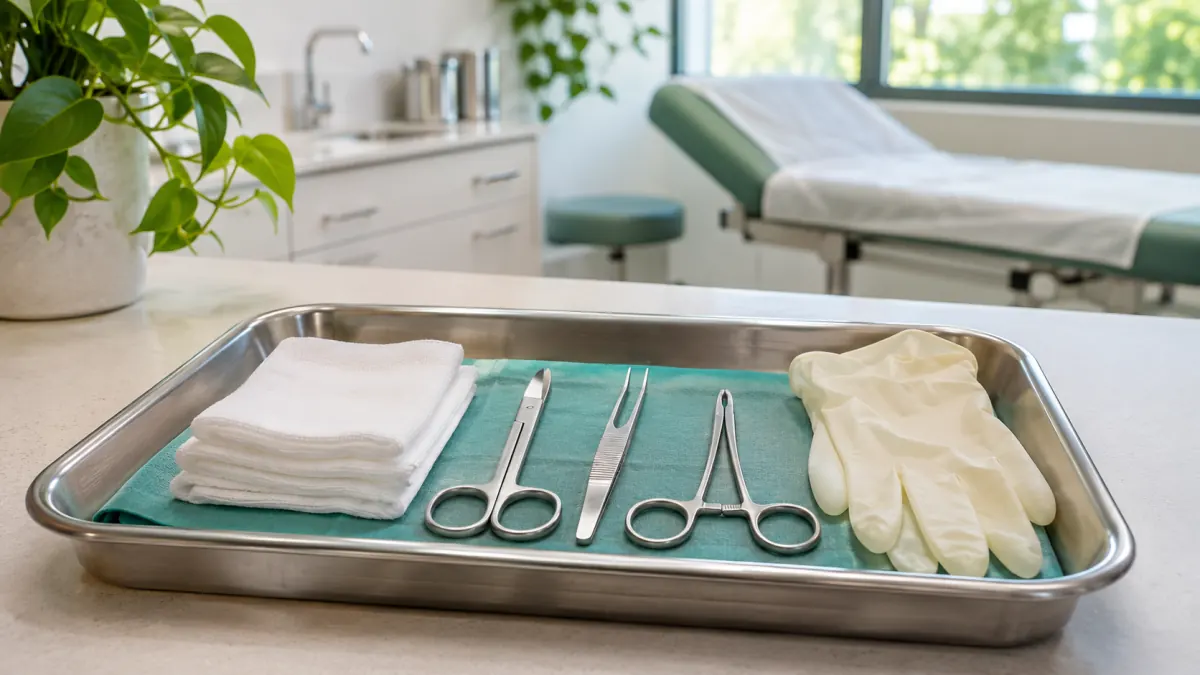
A woman in her late forties mentions it almost as an afterthought at the end of a visit about something else. There is a little flap of skin on the side of her neck that catches on her necklace clasp every morning, and lately another has appeared under her bra strap. She has seen kits at the pharmacy and videos online showing people tying them off with dental floss, and she wants to know whether that is a terrible idea. It is a very common conversation, and her question is a good one, because skin tags are harmless, but the way people deal with them is not always.
Skin tags are small, soft growths of skin that hang from the surface by a thin stalk. Doctors call them acrochordons. They are not cancerous, they are not contagious, and they do not turn into anything dangerous. Many people simply leave them alone. Others want them gone because they get irritated, bleed when caught on clothing, or are just a nuisance. If you are in that second group, here is what to know about your options in Stouffville, from what the procedure involves to why insurance often treats it differently from other skin concerns.
Who gets skin tags, and why
Skin tags are extremely common, and most adults will have at least one at some point. They tend to appear where skin rubs against skin or clothing:
- The neck, especially along collar and necklace lines
- The armpits
- Under the breasts
- The groin and inner thighs
- The eyelids
- Folds of the belly
Several factors make them more likely:
- Age. They become more common from middle age onward.
- Friction. Areas of repeated rubbing produce more tags.
- Body weight. They appear more often with higher body weight, likely due to more skin folds.
- Insulin resistance and type 2 diabetes. Multiple skin tags are associated with insulin resistance, so if you have many of them, your doctor may suggest checking your blood sugar. Our post on living with type 2 diabetes covers that topic in more depth.
- Pregnancy. Hormonal changes can bring new tags, which sometimes shrink afterward.
- Family tendency. They often run in families.
Is it really a skin tag?
This is the most important question, and it is the main reason we encourage people not to remove growths at home. Several other skin lesions can look similar at a glance, and some of them need a different approach entirely.
| Growth | Typical appearance | Why it matters |
|---|---|---|
| Skin tag | Soft, skin-coloured or slightly darker, hangs from a narrow stalk, painless | Harmless; removal is optional |
| Wart | Rough, firm surface, sometimes with tiny black dots, can spread | Caused by a virus; treated differently |
| Mole | Flat or raised, usually brown, may have hair | Needs monitoring for changes |
| Seborrheic keratosis | Waxy, “stuck-on” look, tan to dark brown, common with age | Harmless, but can be confused with other lesions |
| Neurofibroma | Soft, rubbery bump that may press inward | Can be linked to a genetic condition |
| Skin cancer | May bleed, crust, grow, or change colour | Needs prompt assessment and proper diagnosis |
A clinician can usually tell a skin tag apart from other growths with a simple look. If there is any doubt, the growth may be sent for testing after removal, or a different approach may be recommended. Removing a lesion at home destroys that chance to get a clear answer.
If you think your bump might actually be a wart, our wart treatment page explains how those are handled.
Why home removal is risky
Pharmacy freezing kits, adhesive patches, creams, and the dental-floss method all circulate widely. Problems we see in Stouffville patients who tried them first include:
- Bleeding. Even small tags have a blood supply, and cutting one with household scissors or nail clippers can bleed more than expected.
- Infection. Non-sterile tools and a fresh wound invite bacteria.
- Scarring and pigment changes, particularly from over-freezing with home kits or from harsh chemical products.
- Pain, especially with tying off, which cuts off blood supply slowly.
- Missed diagnosis. If the growth was not a skin tag, home treatment can delay finding something that matters.
- Damage in sensitive areas. Tags on the eyelids or genitals should never be treated at home.
How skin tags are removed in clinic
Removal is a quick, straightforward minor procedure in most cases. The method depends on the size, number, and location of the tags.
Step by step
- Assessment. The clinician looks at the growths, confirms they are skin tags, and asks about your health, medications, allergies, and any history of slow healing or bleeding problems. Let us know if you take blood thinners.
- Consent and planning. You will discuss the method, what to expect, possible side effects, and whether any part of the service may not be covered.
- Cleaning. The skin is cleaned with an antiseptic.
- Numbing, if needed. Very small tags are often removed without anaesthetic, because the procedure takes a moment and stings only briefly. Larger tags may be numbed with a small injection of local anaesthetic.
- Removal. Common methods include:
- Snip excision. The tag is cut at its base with sterile surgical scissors or a blade. Fast and effective, especially for tags on a stalk.
- Cryotherapy. Liquid nitrogen freezes the tag, which then shrivels and falls off over one to two weeks. Useful for very small tags, though it may cause temporary lightening or darkening of the skin.
- Cautery. A small heated tool seals the base, which also stops minor bleeding.
- Dressing. Light pressure stops any small bleeding, and a bandage may be applied.
Most appointments are short, and you can usually return to work or your day right after, whether that means heading back to an office in Stouffville or catching the train into the city.
Aftercare at home
Healing is usually simple:
- Keep the area clean and dry for the first day, then wash gently with soap and water.
- Apply a thin layer of petroleum jelly and cover with a bandage if the area rubs against clothing.
- Avoid picking at any scab; let it fall off naturally, usually within one to two weeks.
- For tags removed from the neck or under jewellery, skip necklaces or tight collars for a few days.
- Protect healing skin from strong sun, which can darken scars. Sunscreen helps once the skin has closed, and it matters more than people expect during a Stouffville summer spent at the lake or on the golf course.
When to call
Contact the clinic or book a visit if you notice:
- Increasing redness, warmth, swelling, or pain after the first couple of days
- Pus or a foul smell
- Fever
- Bleeding that does not stop after 10 to 15 minutes of firm pressure
Signs of a spreading infection, such as red streaks moving away from the site or fever with feeling very unwell, need same-day care.
Will they come back?
A skin tag that is fully removed generally does not regrow in the same spot. However, people who tend to get skin tags usually keep developing new ones over time, especially in areas of friction. Some steps may reduce friction, such as well-fitting clothing and keeping skin folds dry, but there is no reliable way to prevent them entirely.
OHIP coverage and cost
This is a question many people have, and the honest answer is that removing skin tags for cosmetic reasons is usually not covered by OHIP. Because skin tags are harmless, removing them simply because you do not like how they look is generally considered an uninsured service, and there may be a fee.
The situation can be different if a growth is suspicious and needs to be removed to confirm a diagnosis, or if there is another medical reason. The clinician will discuss this with you during the assessment. Because fees and coverage depend on your situation, please contact the clinic to ask about costs before your appointment rather than relying on what you may have heard elsewhere.
Red flags that need a closer look
Not every skin bump is a skin tag. Book an appointment promptly, rather than for routine removal, if a growth:
- Bleeds without being injured
- Grows quickly or changes in shape or colour
- Has an irregular border or several colours
- Is painful or crusted and does not heal
- Is a mole that looks different from your other moles
- Appears in a new place along with other symptoms like weight loss or night sweats
A skin tag that suddenly turns dark purple or black and becomes sore has usually twisted on its stalk and lost its blood supply. It often falls off on its own, but it is worth having it looked at if it is very painful, or if you are not certain it was a skin tag to begin with.
Common questions
Can several skin tags be removed in one visit?
Can tags on my eyelid be removed at the clinic?
Booking skin tag removal in Stouffville
If you have skin tags that catch, bleed, or bother you, our skin tag removal service starts with a quick assessment to confirm what the growth is and talk through options. You can book an appointment at our Main Street clinic. Bring a list of the tags you want looked at, along with your medications and any allergies, and ask any questions you have about coverage before the procedure. Plenty of Stouffville patients find it is quicker and easier than they expected.
This post shares general information only and does not replace an in-person assessment by a qualified clinician.