Sleep Apnea in Stouffville: Snoring, Pauses in Breathing and Getting Tested
Snoring, gasping at night and dozing off by day can point to obstructive sleep apnea. How Stouffville adults get screened, tested and treated, from CPAP onward.
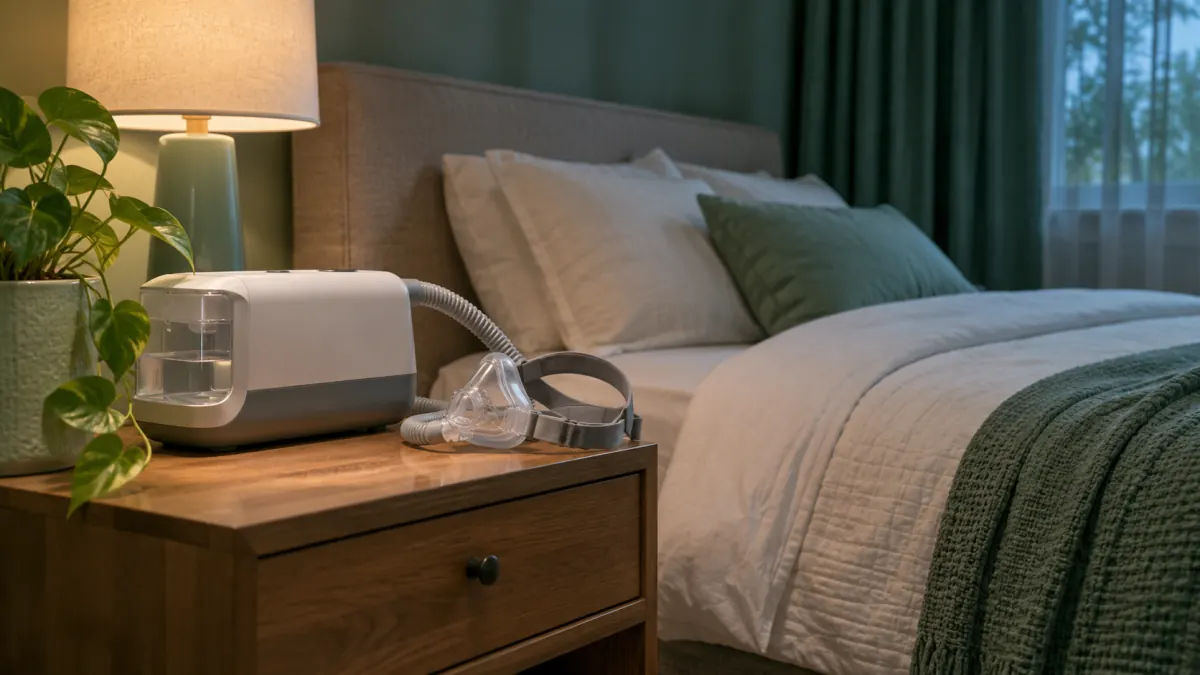
She has learned to count. The snoring builds, louder and louder, then stops dead. One, two, three, sometimes up to fifteen seconds of silence, until her husband snorts, gasps and the rhythm starts again. He insists he slept fine. Yet he needs two coffees to get going, nods off in front of the evening news and has started rolling down the car window on the drive home along Highway 48 to stay alert. Neither of them has put the pieces together, but the person lying awake and counting is often the first one to notice obstructive sleep apnea.
Sleep apnea is common, underdiagnosed and very treatable. It’s also more than a snoring problem. Left alone, it strains the heart, raises blood pressure and makes daytime drowsiness dangerous behind the wheel. This article explains what sleep apnea is, who should be screened, how testing works for people living in Stouffville and the surrounding area, and what treatment looks like in practice.
What happens during an apnea
During sleep, the muscles that hold the throat open relax. In most people, the airway stays open enough for air to move freely. In obstructive sleep apnea (OSA), the soft tissues at the back of the throat collapse partly or fully, and breathing becomes shallow (a hypopnea) or stops (an apnea) for ten seconds or more. Oxygen levels drop, the brain registers the problem and briefly rouses the person, often without them remembering, and breathing restarts with a snort or gasp.
This cycle can repeat dozens of times an hour all night, in a bedroom in Stouffville just as anywhere else, and the sleeper rarely has any idea. Sleep becomes fragmented, so even eight hours in bed may not feel restorative.
A much less common form, central sleep apnea, happens when the brain doesn’t send the signal to breathe consistently. It’s more often seen with heart failure, after strokes, or with certain medications such as opioids. The testing process is similar.
Signs to watch for
Sleep apnea symptoms fall into two groups: what happens at night, which a bed partner often notices, and what happens during the day.
At night
- Loud, habitual snoring
- Pauses in breathing, followed by gasping or choking
- Restless sleep, frequent awakenings
- Getting up to urinate several times a night
- Night sweats
- Dry mouth on waking
During the day
- Unrefreshing sleep and persistent tiredness
- Falling asleep easily when reading, watching TV or as a passenger
- Morning headaches
- Poor concentration and memory
- Irritability or low mood
- Decreased interest in sex
Not everyone with sleep apnea snores loudly, and not everyone who snores has sleep apnea. Women, in particular, may present with insomnia, fatigue, headaches or mood changes rather than dramatic snoring, which is one reason the condition is missed. If you struggle more with falling or staying asleep, our post on insomnia and sleep problems covers that side of things, though the two can overlap.
Who is at higher risk
- Excess weight, especially around the neck and abdomen
- A larger neck circumference
- Male sex, and women after menopause
- Older age
- A family history of sleep apnea
- Nasal congestion, a deviated septum, a small jaw or large tonsils
- Alcohol or sedative medications in the evening
- Smoking
- High blood pressure, type 2 diabetes, atrial fibrillation or a history of stroke
A quick self-screen
Clinicians often use short questionnaires as a first step. One widely used tool, STOP-BANG, asks about Snoring, Tiredness, Observed pauses, high blood Pressure, BMI, Age over 50, Neck size and Gender. The more “yes” answers, the higher the likelihood of moderate to severe OSA. A questionnaire can’t diagnose sleep apnea, but a high score is a good reason to raise it at your next appointment. Plenty of Stouffville adults who try a screening questionnaire online are surprised by how many boxes they tick.
Why it’s worth treating
Untreated moderate to severe sleep apnea is linked to:
- High blood pressure, sometimes hard to control with medication alone. Our high blood pressure management service often looks for sleep apnea when readings stay stubborn.
- Heart rhythm problems, particularly atrial fibrillation
- Heart attack, heart failure and stroke
- Insulin resistance and type 2 diabetes
- Motor vehicle crashes and workplace injuries due to drowsiness
- Depression, irritability and cognitive problems
Treating sleep apnea consistently improves daytime sleepiness and quality of life for most people, and can help with blood pressure control.
How testing works
Diagnosis requires a sleep study, which needs a referral. Your clinician will take a history, check your blood pressure, weight and neck size, look in your throat and nose, and decide which type of test is appropriate. Our diagnostic referral services handle the paperwork and direct you to a sleep facility.
| Home sleep apnea test | In-lab sleep study (polysomnography) | |
|---|---|---|
| Where | Your own bed | An overnight sleep laboratory |
| What it measures | Breathing, airflow, oxygen levels, heart rate | Brain waves, eye movements, muscle activity, breathing, oxygen, heart rhythm and more |
| Best for | Adults with a high likelihood of uncomplicated OSA | Complex cases, other sleep disorders, significant heart or lung disease, or an unclear home test |
| Comfort | More familiar setting | Supervised by technologists; less natural environment |
Coverage and wait times for sleep testing vary by facility and test type, so the clinic can help you understand your options when a referral is made. Results are usually reported as an apnea-hypopnea index (AHI): the number of breathing events per hour. Roughly, fewer than 5 is normal, 5 to 14 mild, 15 to 29 moderate and 30 or more severe, though symptoms matter as much as the number.
Treatment options
CPAP
Continuous positive airway pressure (CPAP) is the most effective treatment for moderate to severe OSA. A small machine delivers gentle air pressure through a mask, acting as an air splint that keeps the throat open. Many people notice better sleep and more energy within days to weeks.
Getting used to CPAP takes patience. Common issues and fixes:
- Mask discomfort or leaks. There are nasal pillows, nasal masks and full-face masks; trying another style often solves the problem.
- Dry nose or mouth. Heated humidification, built into most machines, helps a great deal.
- Feeling claustrophobic. Practising with the mask on while awake, reading or watching TV, can ease the adjustment.
- Pressure feeling too strong. Many machines ramp up gradually or adjust automatically.
In Ontario, CPAP equipment is usually obtained through an authorized vendor, and the provincial Assistive Devices Program may help cover part of the cost for eligible patients. Private insurance may cover the rest. Ask your sleep clinic or vendor to walk you through the steps.
Other approaches
- Oral appliances. Custom devices made by a dentist hold the lower jaw slightly forward. They can work well for mild to moderate OSA or for people who can’t tolerate CPAP.
- Positional therapy. Some people have apneas mainly when lying on their back.
- Weight loss. Even modest weight loss can reduce the severity of sleep apnea.
- Limiting alcohol and sedatives in the evening.
- Treating nasal congestion, for example from allergies.
- Surgery in selected cases, assessed by a specialist.
Driving and sleep apnea
Drowsy driving is one of the most immediate dangers of untreated sleep apnea. If you have ever nodded off at the wheel, or find yourself fighting sleep on familiar routes between Stouffville, Markham and Uxbridge, stop driving when drowsy and raise it with your doctor promptly. In Ontario, physicians have legal obligations to report certain medical conditions that may make driving unsafe to the Ministry of Transportation. Most people with treated sleep apnea continue to drive safely, and starting treatment early is the best way to protect both your safety and your licence.
Sleep apnea in children
Children can have sleep apnea too, most often due to enlarged tonsils and adenoids. Signs include loud nightly snoring, pauses in breathing, mouth breathing, restless sleep, bedwetting after being dry, and daytime behaviour problems or trouble paying attention rather than sleepiness. If your child snores most nights, mention it at their next checkup. A Stouffville parent who records a minute or two of their child’s breathing on a phone at night gives the clinician something concrete to assess, and a referral to an ear, nose and throat specialist or a pediatric sleep service may follow.
When to seek urgent help
Sleep apnea itself is a long-term condition, but go to the emergency department or call 911 if someone has severe shortness of breath, chest pain, fainting, signs of stroke (face drooping, arm weakness, speech difficulty), or cannot be woken normally.
Can I just buy a CPAP machine without a sleep study?
Will losing weight cure my sleep apnea?
Taking the first step with HealthSmart
If the scene at the start of this article sounds familiar, from either side of the bed, a conversation with a clinician is the place to begin. We can review symptoms, check blood pressure, and arrange a sleep study referral when appropriate, often as part of an annual physical exam or a dedicated visit. To get started, book an appointment online. If you’re looking for ongoing care, our family doctor page explains how registration requests are reviewed by the clinic team. Bring your bed partner’s observations, if they’re willing; they are often the most useful part of the history. Our clinic sits at 208-5892 Main Street in Stouffville.
This information is general and educational; your own clinician can advise you on what fits your health and circumstances.