Spring Allergies and Tree Pollen in Stouffville: Getting Ahead of Hay Fever
Birch, maple and grass pollen can turn May into a sneezing marathon. Stouffville tips on the spring pollen calendar, treatments that work, and seeing a doctor.
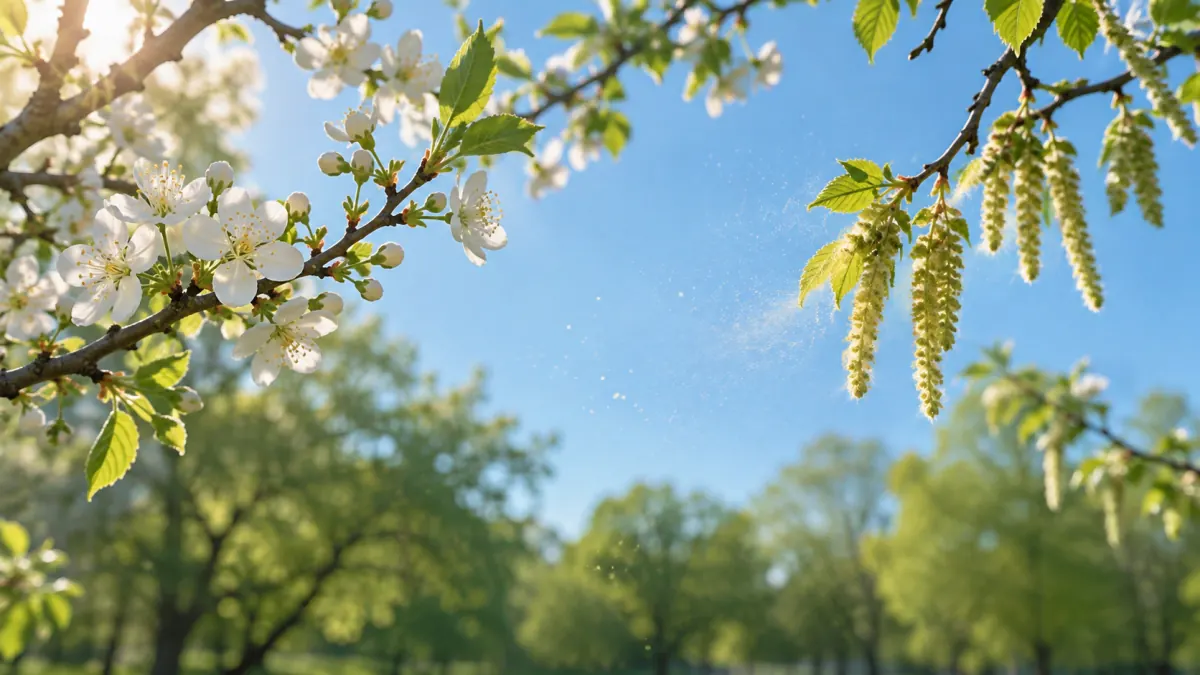
That fine yellow-green film on parked cars, patio furniture and puddles in May is not dust. It is pollen, mostly from trees, and for a sizeable share of people in Stouffville it marks the start of weeks of sneezing, streaming eyes and foggy, congested mornings. Spring allergies are often lumped in with the ragweed misery of late summer, but they are driven by different plants, start much earlier than many people realize, and sometimes come with a few surprises, like an itchy mouth after biting into an apple. Understanding the spring calendar is the key to staying ahead of it.
Why spring is its own allergy season
Allergic rhinitis, the medical name for hay fever, happens when the immune system overreacts to harmless particles such as pollen. When pollen lands in the nose or eyes of someone who is sensitized, the body releases histamine and other chemicals, causing sneezing, itch, swelling and a runny nose.
In southern Ontario, pollen arrives in waves:
| Approximate timing | Main pollen source | Notes |
|---|---|---|
| Late March to April | Early trees: maple, alder, elm, poplar, willow | Can start while snow is still melting on a warm spell |
| April to May | Birch, ash, oak and others | Birch is one of the most common tree pollen allergies |
| Late May to July | Grasses | Overlaps with late tree pollen; peaks in June |
| Mid-August to first frost | Ragweed and weeds | Covered in our post on fall allergies and ragweed in Stouffville |
The exact timing shifts from year to year with temperatures. A warm stretch in early spring can start tree pollen earlier, and a cool, wet spring can delay it. Many people are allergic to more than one type of pollen, which explains why some feel miserable from April straight through to early July.
The local landscape
Whitchurch-Stouffville is a mix of new subdivisions with young street trees, older neighbourhoods with mature maples and oaks, woodlots, farm fields and the forested slopes of the Oak Ridges Moraine. Add Rouge National Urban Park to the south and plenty of lawns, sports fields and roadside grasses, and there is no shortage of pollen in late spring. Wind carries tree pollen a long way, so you can react to trees you never see.
Is it allergies, a cold or something else?
Spring is also a season when colds circulate, and the symptoms overlap. A few clues help:
- Itch is the giveaway. Itchy eyes, nose, throat or ears point strongly to allergies.
- Timing repeats. Symptoms that arrive at the same time each spring, last for weeks, and get worse on dry, windy, sunny days suggest pollen.
- No fever. Allergies do not cause fever or body aches.
- Clear, watery discharge is typical, along with bursts of sneezing.
- Others around you are fine. Colds tend to work their way through a household; allergies do not spread.
If you have a fever, sore throat, body aches or a new cough, think infection rather than allergies, and test or stay home as appropriate.
The apple problem: oral allergy syndrome
One of the most confusing spring allergy features is oral allergy syndrome, also called pollen-food allergy syndrome. Some proteins in raw fruits, vegetables and nuts look very similar to tree pollen proteins, so the immune system cross-reacts. People allergic to birch pollen commonly notice itching or tingling of the lips, mouth or throat within minutes of eating:
- Raw apples, pears, cherries, peaches, plums or kiwi
- Raw carrots or celery
- Hazelnuts or almonds
Symptoms are usually mild and brief, and they are often worse during pollen season. Cooking, baking or canning the food typically breaks down the protein, which is why apple pie may be fine when a fresh apple is not. Peeling some fruits helps too.
However, any throat tightness, trouble swallowing, difficulty breathing, widespread hives, vomiting or dizziness after eating is not oral allergy syndrome; it is a possible anaphylactic reaction and needs 911. Nut reactions in particular should always be discussed with a clinician.
A spring allergy game plan
Step 1: Start treatment early
The single most effective change many people can make is to begin treatment about two weeks before their usual symptoms start. For tree pollen, that can mean late March. Nasal steroid sprays in particular take several days of regular use to reach full effect, so starting once you are already miserable means suffering longer than necessary.
Step 2: Choose the right medication
Several options are available over the counter, and a pharmacist can help you choose:
- Intranasal corticosteroid sprays are generally the most effective single treatment for nasal symptoms, including congestion. Use them every day during the season. Aim the spray slightly outward, away from the centre of the nose, to reduce irritation and nosebleeds.
- Non-drowsy oral antihistamines work well for sneezing, itch and a runny nose and can be taken as needed or daily. Older antihistamines that cause drowsiness are best avoided, especially for drivers, students writing exams and older adults.
- Antihistamine eye drops help with itchy, watery eyes.
- Saline sprays or rinses wash pollen out of the nose. If using a rinse bottle or neti pot, use distilled, sterile or previously boiled and cooled water, never straight from the tap.
Use decongestant nasal sprays for no more than a few days at a time, because longer use causes rebound congestion. Oral decongestants are not suitable for everyone, including people with high blood pressure or certain heart conditions; ask a pharmacist first.
Step 3: Reduce exposure
You cannot avoid pollen entirely, but you can cut the dose:
- Check daily pollen forecasts for the Stouffville and York Region area, which many weather services publish in spring.
- Keep windows closed at home and in the car, and use air conditioning on recirculate when it is warm.
- Time outdoor exercise for after a good rain or later in the day, rather than dry, windy mornings when tree pollen often peaks.
- Shower and change clothes after spending time outside, and wash your hair before bed so you do not transfer pollen to the pillow.
- Dry laundry indoors during peak weeks rather than on an outdoor line.
- Wear wraparound sunglasses outdoors to keep some pollen out of your eyes.
- Hand off lawn mowing in grass season if you can, or wear a well-fitting mask while you mow.
- Wipe down pets that have been outside; their fur carries pollen in.
- Consider a HEPA air purifier in the bedroom.
Step 4: Protect your lungs
Pollen is a common trigger for asthma. If you have asthma and notice more coughing at night, chest tightness, wheezing on spring walks or needing your reliever inhaler more often, your asthma is likely not well controlled. Get a review before peak season. Our asthma management visits can adjust your plan and check your inhaler technique.
Children and spring allergies
Children often do not say “my nose is itchy.” Instead, you may see:
- Constant sniffing, throat clearing or mouth breathing
- The “allergic salute,” pushing the nose upward with the palm, which can leave a crease across the nose
- Dark circles under the eyes
- Poor sleep, crankiness, trouble concentrating in class
Spring allergies can affect performance during the end of the school year, and tree and grass pollen are at their worst just as Stouffville soccer fields and ball diamonds fill up for the season. Medication options and doses differ for kids, too. Our children’s health team can help sort out what is appropriate for your child’s age.
When to see a doctor
Over-the-counter treatment controls symptoms for many people. Book a visit if:
- Symptoms are not controlled despite using a nasal steroid regularly for a couple of weeks
- Allergies are disrupting sleep, work or school
- You have frequent sinus pain or infections; see our sinus infection treatment page for what that involves
- You have asthma that flares every spring
- You are pregnant or breastfeeding and need to know which treatments are safest
- You are unsure whether you are dealing with allergies at all
At a visit, a clinician can confirm the diagnosis, suggest a stronger or combined treatment plan, and arrange a referral to an allergist if testing or immunotherapy may help. Allergen immunotherapy, given as injections or, for some pollens including grass, as tablets that dissolve under the tongue, gradually trains the immune system to tolerate the allergen. It is started well before the season and continued for several years, and for the right person it can reduce symptoms for a long time after treatment ends.
Many people find a virtual care visit works well for a straightforward allergy medication review, while new symptoms, ear or sinus pain, or breathing concerns are better seen in person.
Emergency warning signs
Seasonal allergies are uncomfortable but not usually dangerous. Call 911 for:
- Swelling of the tongue, lips or throat
- Trouble breathing or swallowing
- Widespread hives with dizziness, fainting or vomiting
- An asthma attack where the reliever inhaler is not helping, the person cannot speak in full sentences, or the lips look blue or grey
If an epinephrine auto-injector has been prescribed, use it right away and then call 911. The nearest emergency departments are at Markham Stouffville Hospital and Uxbridge Hospital.
Breathe easier this season
You do not have to spend every spring watching the trees bloom through puffy eyes. If allergy season is getting the better of you or your kids, book a visit with our Stouffville team at HealthSmart, and ask about our allergy treatment options. Starting a plan now can also set you up well for ragweed season later in the year.
This article is for general information and does not replace personalized advice from a health professional.