Toenail Fungus in Stouffville: Getting a Diagnosis and Choosing a Treatment
Thick, discoloured toenails are not always fungus. How Stouffville patients can confirm the cause, weigh topical and oral treatments, and prevent a return.
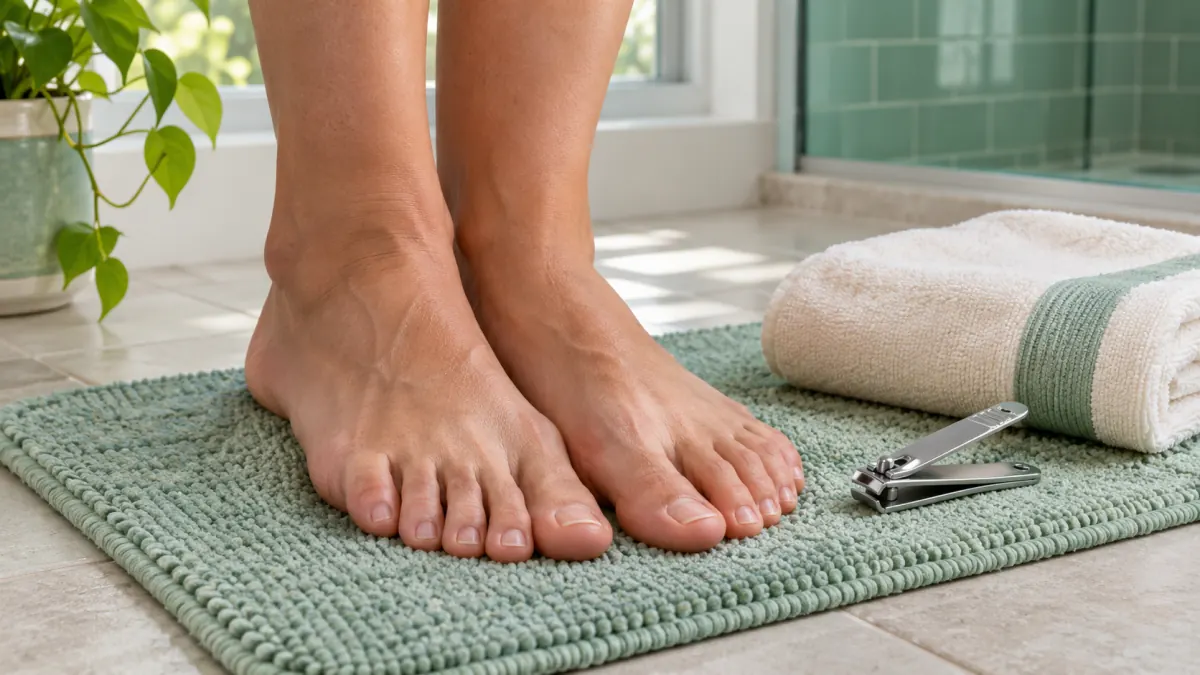
Sandals have a way of forcing the issue. All winter, a thickened, yellowish big toenail can hide inside wool socks and boots, easy to ignore. Then the weather warms, the pool at the Leisure Centre opens up, a family barbecue moves onto the deck, and that nail is suddenly on display. Many people quietly paint over it or keep their shoes on. Others finally decide to do something, buy a cream at the pharmacy, use it for two weeks, see no change and give up.
Toenail fungus is common, especially as we get older, and it is not a sign of poor hygiene. It is also one of the slowest conditions to treat, because nails grow so slowly. The good news is that with the right diagnosis and realistic expectations, many people can get a clearer nail. Here is how the process works for patients in Stouffville, from a first look at the nail to keeping it clear afterward.
What toenail fungus actually is
The medical name is onychomycosis. In most cases it is caused by dermatophytes, the same group of fungi behind athlete’s foot. Less often, yeasts or moulds are involved. The fungus gets into the nail through tiny gaps between the nail and the nail bed, or through the skin around it, and then spreads slowly within the nail itself.
Typical changes include:
- Yellow, white, brown or greyish discolouration
- Thickening that makes the nail hard to cut
- Crumbly or ragged edges
- Lifting of the nail from the nail bed
- Debris building up under the nail
- Sometimes a mild odour
The big toe is most often affected, and it can spread to other nails over months or years. Fingernail fungus also occurs, but less commonly.
Who is more likely to get it
Several things raise the odds:
- Age. Nails grow more slowly and circulation to the feet decreases over time. Toenail fungus is much more common in older adults than in children.
- Athlete’s foot. Untreated fungal infection of the skin between the toes often spreads to the nails.
- Warm, damp feet. Sweaty work boots, hockey skates and running shoes create a perfect environment.
- Shared wet floors. Change rooms, pool decks and gym showers, whether at a Stouffville arena, a condo gym or a hotel pool on vacation.
- Nail injury. Runners and hikers who repeatedly bang the toenail against the shoe front, or anyone who has dropped something heavy on a toe.
- Diabetes, circulation problems and a weakened immune system.
- Psoriasis, which can also affect nails on its own.
- Family history, as some people seem more susceptible.
Not every ugly nail is fungal
This is the part many people skip, and it is the main reason treatments fail. Studies have repeatedly shown that a significant share of abnormal-looking nails are not fungal at all. Lookalikes include:
| Condition | Clues that point to it |
|---|---|
| Repeated trauma | Common in runners and hikers; often one or two nails; may be thickened or lifted without debris |
| Nail psoriasis | Pitting, oil-drop discolouration; often with skin or scalp psoriasis; fingernails often involved |
| Lichen planus | Thinning, ridging, scarring |
| Bacterial infection | Greenish or black discolouration, sometimes with a particular smell |
| Bruising under the nail | Follows an injury; grows out with the nail |
| Melanoma under the nail | A dark band or streak, especially if it is new, widening, or the pigment spreads onto the skin |
That last one is rare but important. A new dark streak running the length of a nail, particularly in a single nail, should be examined, not treated as fungus.
How the diagnosis is confirmed
Before starting oral treatment, most clinicians want laboratory confirmation. The process is simple:
- The nail is trimmed back and clippings or debris from under the nail are collected.
- The sample is sent to a lab for microscopy and fungal culture.
- Results can take a few weeks, since fungi grow slowly in culture.
A negative result does not always rule out fungus, and a sample may need to be repeated. But a positive result means you will not spend months on medication for something it cannot fix. Our team can arrange this through laboratory testing referrals.
Treatment options and what to expect
Topical treatments
Prescription nail solutions, applied daily to the nail and surrounding skin, can work for mild to moderate infections that do not involve the base of the nail (the matrix). They are applied for a long time, often close to a year, and cure rates are modest. They have the advantage of very few side effects and no blood work.
Over-the-counter antifungal creams for athlete’s foot are useful for the skin, but they do not penetrate nails well. They are a good partner to nail treatment, not a replacement.
Oral medication
Oral antifungals reach the nail through the bloodstream and are the most effective option for moderate to severe infections or when several nails are involved. A typical course for toenails lasts about three months. The medicine stays in the nail for a while after you stop, and the clear nail grows out over the following months.
Oral treatment is not for everyone. Your clinician will review:
- Other medications, since interactions are possible
- Liver health, as rare liver injury can occur; baseline blood work may be recommended
- Pregnancy or breastfeeding plans
- Other health conditions
Side effects can include stomach upset, headache, taste changes and rash. Report yellowing of the skin or eyes, dark urine, unusual fatigue or a severe rash right away.
Other approaches
- Debridement: trimming and thinning the thickened nail improves comfort and helps topical treatment penetrate. Regular foot care professionals, such as chiropodists, can help with this, and there are foot care providers in and around Stouffville who see patients for routine nail care.
- Laser and light treatments are offered privately in some places. Evidence for lasting cure is limited, and they are generally not covered.
- Nail removal is occasionally considered for severe, painful cases, usually with ongoing treatment afterward.
Setting expectations
A healthy big toenail takes 12 to 18 months to grow out completely. Even when treatment is working, you will not see a clear nail for many months. A useful sign of progress is a band of normal-looking nail growing in at the base. Recurrence is also common, which is why prevention matters even after a successful course.
Prevention: keeping it from coming back
- Dry your feet thoroughly after bathing, especially between the toes.
- Wear sandals in shared showers, pool decks and change rooms.
- Change socks daily, or more often if your feet sweat. Moisture-wicking socks help.
- Rotate shoes so each pair dries out for a day or two, and consider antifungal powder inside shoes and skates.
- Treat athlete’s foot promptly, and keep treating for a week or two after the skin looks clear.
- Keep nails trimmed straight across and not too short.
- Do not share nail clippers, files or towels.
- Disinfect or replace old shoes that were worn during an active infection.
Seasonal habits that matter here
Stouffville winters mean many months in insulated boots, often worn all day and rarely given a chance to dry out between wearings. Pull the liners out overnight, stand boots near (not on) a heat source, and keep a second pair in rotation if you can. Summer brings its own risks: barefoot walking on pool decks and splash pads, and long days in damp running shoes on the trails around the Stouffville Reservoir. Changing into dry socks after a run or a game sounds trivial, but it is one of the cheapest preventive steps there is.
A special word for people with diabetes
If you have diabetes, toenail fungus is more than cosmetic. Thick nails can press into the skin and create small wounds, and fungal infection can make skin cracks between toes more likely. Both can become entry points for bacteria in feet that may have reduced sensation or circulation.
Check your feet every day. If you notice redness, swelling, warmth, drainage, a sore that is not healing, or a change in colour of the toes, book a visit promptly. Our diabetes management service includes foot checks as part of regular follow-up, and our earlier article on type 2 diabetes care covers more on protecting your feet.
When to get help sooner
Book a prompt visit or go to an urgent care setting if:
- The skin around the nail becomes red, hot, swollen or painful
- Red streaks spread up the foot or leg, or you develop fever
- A new dark streak appears in the nail, or pigment spreads onto the surrounding skin
- You have diabetes or circulation problems and notice any break in the skin
Seek emergency care if a foot infection is spreading quickly or you feel very unwell.
Can I just paint my nails to hide it?
Are home remedies like vinegar or tea tree oil worth trying?
Starting treatment with us
If a nail has been bothering you for a while, the first step is a proper look and, often, a nail sample. A clinician at our Stouffville clinic can examine your feet, check for lookalikes, arrange testing, and help you decide between watchful waiting, topical treatment and oral medication. If a skin or nail problem is more complex, a specialist referral to dermatology may be discussed. You can book a visit online whenever it suits you.
This post is for general education and is not a replacement for a personal medical assessment.