Travel Vaccinations in Stouffville: Planning Before You Fly
Booking a trip abroad? See which travel vaccines to consider, why timing matters, and how Stouffville travellers can prepare six to eight weeks ahead.
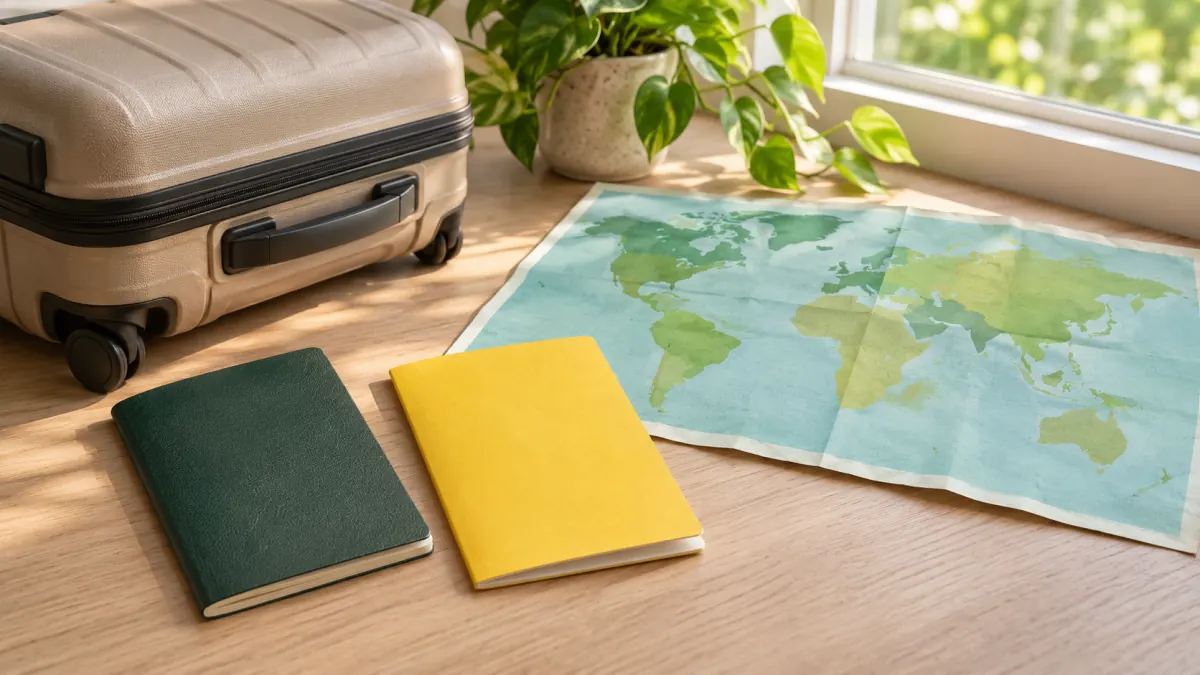
Late August has a particular rhythm in Stouffville. The summer cottage trips are winding down, school supplies are going on sale, and plenty of households are already planning their next big getaway: a winter escape to the Caribbean, a family visit to South Asia or East Africa, a long-awaited trip through South America. Flights get booked months ahead. The health side of planning often gets left until the week before departure, and by then some vaccines will not have time to work, or a multi-dose series cannot be finished. If you have a trip on the calendar, now is the right moment to think about vaccines.
Why timing matters: aim for six to eight weeks
Most vaccines need time before they give full protection, often around two weeks after a dose. Some require two or three doses spread over weeks or months. Certain vaccines, like yellow fever, need to be given at least ten days before arrival for the certificate to be valid. A travel health visit six to eight weeks before you leave gives enough room to:
- Review your itinerary and medical history
- Start any multi-dose series
- Order vaccines that a clinic may not keep in stock
- Arrange prescriptions such as antimalarial medication
- Leave a buffer in case you feel unwell after a shot
That said, do not skip the visit if you are leaving sooner. Even last-minute travellers can usually get some protection, plus advice that lowers risk. Book as soon as you know your plans.
What happens at a travel health appointment
A travel consultation is more than a list of injections. Expect a conversation about:
- Where exactly you are going. Risk can differ a great deal between cities, rural areas and specific regions of the same country.
- How long you will be away and what you will do. A one-week resort stay carries different risks from a month of backpacking, volunteering in a clinic, or visiting relatives in a village.
- Your health history. Pregnancy, a weakened immune system, chronic conditions and current medications all affect which vaccines and medications are safe.
- Your vaccine record. Bring every record you have, including childhood records and any previous travel vaccines.
- Prevention beyond vaccines. Food and water safety, insect protection, sun and heat, motion sickness, and altitude.
At HealthSmart, these visits are offered through our travel clinic.
Vaccines travellers commonly discuss
Recommendations depend on destination, activities and personal health, so this table is a general overview, not a prescription.
| Vaccine | Why it may be recommended | Doses and timing (general) |
|---|---|---|
| Routine vaccines (MMR, tetanus-diphtheria-pertussis, polio, chickenpox) | Measles and other diseases still circulate in many parts of the world, including popular destinations | Make sure you are up to date; boosters may be due |
| Hepatitis A | Spread through contaminated food and water; risk exists in many countries | Usually one dose before travel, a booster later for long-term protection |
| Hepatitis B | Spread through blood and body fluids, including medical or dental care abroad | A series of doses over weeks to months; accelerated schedules exist |
| Typhoid | Spread through contaminated food and water, especially in parts of South Asia, Africa and Latin America | An injection or an oral capsule course, completed before departure |
| Yellow fever | Required for entry to some countries and recommended for parts of Africa and South America | One dose, given at least 10 days before travel, only at designated centres |
| Rabies (pre-exposure) | For longer stays, remote travel or work around animals | A short series before departure |
| Japanese encephalitis | For some longer or rural trips in parts of Asia | A series before travel |
| Meningococcal | Required for certain pilgrimages and recommended for some regions | Varies by vaccine |
| Cholera and travellers’ diarrhea | For some higher-risk travel | Oral vaccine, given in advance |
| Influenza and COVID-19 | Respiratory viruses spread on planes, in airports and at crowded destinations | Seasonal, ideally at least two weeks before travel |
Yellow fever deserves a special mention because it can only be given at designated centres; see our page on yellow fever vaccination for details. Ask the clinic about current availability before your visit.
A note on cost
Routine vaccines on Ontario’s publicly funded schedule are covered for eligible people. Most travel-specific vaccines, and the travel consultation itself, may not be covered by OHIP. Some private health plans reimburse part of the cost. When you book, ask the clinic what to expect so there are no surprises.
Malaria is a medication question, not a vaccine question
Malaria is spread by mosquitoes in parts of Africa, Asia, Central and South America and elsewhere. For most travellers, there is no vaccine option; protection comes from preventive medication plus avoiding bites. Different antimalarials suit different destinations and people, and some must be started before you leave and continued after you return. A malaria prevention consultation helps match the right medication to your trip.
Bite prevention matters for malaria and for other mosquito-borne infections such as dengue, which has no routine vaccine for most travellers:
- Use an insect repellent containing DEET or icaridin on exposed skin
- Wear long sleeves and pants in light colours, especially at dawn and dusk
- Sleep under an insecticide-treated bed net if rooms are not screened or air-conditioned
- Apply sunscreen first, then repellent
Visiting friends and relatives: a group that often skips the visit
Many people in York Region travel to see family in the country where they or their parents were born. These trips are often longer, involve staying in homes rather than hotels, eating local food, and spending time in rural areas. Research consistently shows that travellers visiting friends and relatives are more likely to pick up travel-related illnesses such as malaria and typhoid, in part because they feel they “know” the place and skip preparation. Childhood immunity from living there years ago does not last. If this describes your trip, a pre-travel visit is especially worthwhile, and that includes any children travelling with you.
Children born and raised in Stouffville have never built up any natural exposure to infections that are common in a parent’s country of origin, so they can be at higher risk than the adults around them. Babies and toddlers may need an accelerated routine schedule, for example an early dose of measles vaccine, before certain trips. Older relatives with diabetes, heart disease or other chronic conditions should also plan ahead, since illness while travelling can hit them harder and medical care may be less accessible.
Protecting yourself beyond the needle
Vaccines cover only some travel risks. A few habits do a lot of the remaining work:
- Food and water: choose food that is freshly cooked and served hot, peel fruit yourself, and drink sealed bottled water or water that has been boiled or properly treated. Be cautious with ice, raw salads and street food that has been sitting out.
- Hand hygiene: wash hands before eating, and carry alcohol-based sanitizer for when soap is not available.
- Animals: avoid petting dogs, cats and monkeys, even friendly-looking ones. Any bite or scratch should be washed thoroughly and assessed quickly, because rabies treatment is time-sensitive.
- Road safety: traffic injuries are a leading cause of harm to travellers. Wear seatbelts and helmets, and avoid travelling on unfamiliar roads at night.
Your pre-departure checklist
Six to eight weeks out:
- Book a travel health visit and gather your vaccine records
- Check the Government of Canada travel advice for your destination at travel.gc.ca, including entry requirements and health notices
- Confirm whether your destination requires proof of yellow fever vaccination
Two to four weeks out:
- Finish vaccine doses that can be completed before departure
- Fill prescriptions, including antimalarials and enough of your regular medications for the whole trip plus a few extra days
- Buy travel health insurance; OHIP coverage outside Canada is very limited
The week before:
- Pack a small health kit: regular medications in original labelled containers, a copy of prescriptions, oral rehydration salts, pain and fever reliever, bandages, hand sanitizer, sunscreen and repellent
- Register your trip with the Government of Canada’s Registration of Canadians Abroad service if you wish
- Keep your vaccination booklet and any certificates with your passport
Getting sick after you come home
Some travel-related infections show up days or even weeks after you get back to Stouffville. See a clinician promptly and mention where you travelled if you develop a fever within several months of visiting an area with malaria, ongoing diarrhea, a new rash, jaundice (yellowing of the skin or eyes), or a wound or animal bite that is not healing.
Call 911 or go to an emergency department, such as Markham Stouffville Hospital or Uxbridge Hospital, for high fever with confusion, a stiff neck, difficulty breathing, severe dehydration, or bleeding. A fever after travel to a malaria area should be treated as urgent until malaria is ruled out. Health811 (dial 811) can help you decide where to go if you are unsure.
Travellers’ frequent questions
Can I get several travel vaccines on the same day?
I'm pregnant. Can I still get travel vaccines?
My trip is next week. Is it too late?
Planning your travel visit in Stouffville
Whether you are flying out of Pearson in a month or still choosing between destinations, HealthSmart Medical Clinic in Stouffville can help you get ready. Learn about our travel vaccinations service, then book your appointment six to eight weeks before you go. Hours can change, so please check the location page before visiting.
This article provides general travel health information and is not personal medical advice; recommendations for your trip may differ.