Travellers' Diarrhea and Typhoid in Stouffville: Food and Water Safety Before You Go
Upset stomachs ruin more trips than any other illness. How Stouffville travellers can eat and drink safely abroad, pack wisely, and decide on typhoid vaccine.
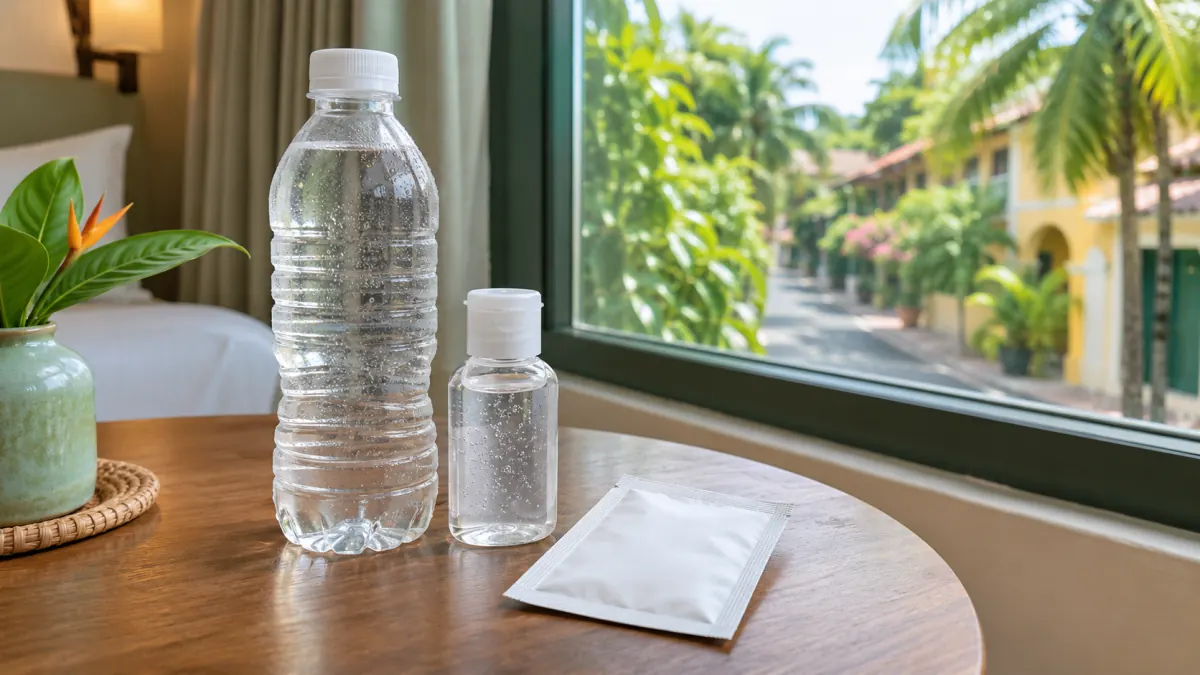
Two illnesses travel in the same suitcase. One is extremely common, usually mild, and over within a few days: travellers’ diarrhea, which upends the plans of a large share of people visiting lower-income regions. The other is far less common but much more serious: typhoid fever, a bacterial infection that can cause weeks of high fever and sometimes life-threatening complications. They have something important in common. Both are mostly picked up through contaminated food and water, which means the same habits that protect you from one also lower your risk of the other.
Whether you are flying out of Pearson for a family wedding in Lahore, a beach week in the Dominican Republic, or a backpacking loop through Southeast Asia, a little preparation in Stouffville before you leave makes a real difference. This guide covers what causes these illnesses, how to eat and drink sensibly without missing out on the food that makes travel worthwhile, what to pack, when the typhoid vaccine is worth considering, and which symptoms need attention after you get home.
Travellers’ diarrhea: the basics
Travellers’ diarrhea is usually defined as three or more loose stools in a day, often with cramps, nausea, bloating, or urgency, during or shortly after a trip. Most cases come from bacteria, especially certain strains of E. coli, picked up from food or water. Viruses and parasites cause a smaller share.
Your risk depends mostly on where you go and how you eat. Parts of South Asia, Southeast Asia, Africa, the Middle East, and Central and South America carry the highest risk. All-inclusive resorts lower it but do not eliminate it; buffets that sit out for hours, ice of uncertain origin, and salads washed in tap water can still cause trouble.
The typical course is reassuring: symptoms usually start within the first week or two of a trip and settle on their own within one to five days. The main danger is dehydration, particularly for young children, older adults, pregnant travellers, and anyone with kidney disease, diabetes, or heart conditions.
Typhoid fever: less common, more serious
Typhoid fever is caused by Salmonella Typhi, a bacterium spread through food or water contaminated by the stool of an infected person or carrier. A related illness, paratyphoid fever, behaves in a similar way. Unlike the brief stomach upset of travellers’ diarrhea, typhoid tends to build slowly:
- A fever that climbs day by day, often becoming high and sustained
- Headache, tiredness, and loss of appetite
- Abdominal pain, with either constipation or diarrhea
- Sometimes a faint rash on the chest or belly
Symptoms usually appear one to three weeks after exposure, so many travellers feel fine on the flight home and become ill afterward. Without treatment, typhoid can lead to serious complications, including bleeding or perforation of the bowel. Antibiotic resistance is a growing concern, including strains in parts of South Asia that respond to very few antibiotics, which is one more reason prevention matters.
Typhoid risk is highest in South Asia, including India, Pakistan, Nepal, and Bangladesh, with risk also present in parts of Africa, Southeast Asia, and Latin America. People returning to their family’s country of origin to visit friends and relatives are at particular risk, because they often stay longer, eat in homes and local settings, and may be less likely to have pre-travel advice. If that describes your trip, a pre-travel visit is especially worthwhile.
Eating and drinking: a practical sorting guide
The old saying “boil it, cook it, peel it, or forget it” is still useful, even though few travellers follow it perfectly. Think of it as tilting the odds in your favour rather than achieving perfection.
| Usually safer | Higher risk |
|---|---|
| Food cooked thoroughly and served steaming hot | Food kept lukewarm, such as buffets that sit out for hours |
| Fruit you peel yourself, like bananas, oranges, and mangoes | Pre-cut fruit and fruit salads |
| Sealed bottled water and carbonated drinks | Tap water, fountain drinks, and ice of unknown origin |
| Boiled water, hot tea, and hot coffee | Fresh juices diluted with local water |
| Pasteurized dairy | Unpasteurized milk, cheese, and yogurt |
| Bread and baked goods | Raw salads, garnishes, and herbs |
| Cooked shellfish from reputable places | Raw or undercooked seafood and meat |
A few extra habits help:
- Clean your hands often, especially before eating. Soap and water is best; carry alcohol-based sanitizer for when it is not available.
- Brush your teeth with bottled or treated water in higher-risk destinations.
- Keep your mouth closed in the shower, and be cautious with pools and freshwater swimming.
- Choose busy food stalls where food is cooked to order in front of you. High turnover usually means fresher food.
- Be careful with ice. Ice made from purified water in a reputable hotel may be fine; ice in a roadside drink is a gamble.
If you will be somewhere without reliable bottled water, a portable filter, purification tablets, or simply boiling water for a minute are reasonable options. Your pre-travel clinician can help you decide what suits your itinerary.
Packing a small travel health kit
A few items can turn a miserable day into a manageable one:
- Oral rehydration salts. These packets mix with safe water to replace fluid and electrolytes far better than plain water or sports drinks. They are the single most useful item for a stomach bug, especially when travelling with children.
- An anti-diarrheal medicine for adults, such as loperamide, for mild to moderate diarrhea without fever or blood. It can make long bus rides and flights bearable. Do not use it if you have a high fever or bloody stools, and check the label for age limits before giving it to children.
- Hand sanitizer and a small pack of tissues or toilet paper.
- A thermometer, because fever changes how diarrhea should be managed.
- Any prescription your clinician recommends. For some travellers, particularly those going to higher-risk areas, those with medical conditions, or those far from medical care, a clinician may prescribe an antibiotic to carry and use only if specific symptoms develop. This is a personal decision that depends on your health, destination, and trip length; it is not something everyone needs.
- Your regular medications in their original containers, with extra doses in case of delays.
Bismuth subsalicylate, the pink liquid or chewable tablets, can modestly reduce the chance of travellers’ diarrhea, but it is not right for everyone. It is not recommended for children, people with an aspirin allergy, people taking blood thinners, or during pregnancy, and it can temporarily turn the tongue and stool black. Ask before relying on it.
The typhoid vaccine: who should consider it
In Canada, two types of typhoid vaccine are available:
- An injectable vaccine, given as a single shot, suitable for most adults and children from about age two.
- An oral vaccine, taken as a series of capsules over about a week. It must be kept refrigerated, taken as directed, and is not suitable for some people, including those with weakened immune systems.
Both offer meaningful but incomplete protection, and that protection fades over a few years, so boosters may be needed for future trips. Because the vaccines do not protect against every case, careful food and water habits still matter even when you are vaccinated.
The vaccine is generally recommended for travellers going to areas where typhoid is common, particularly South Asia, and especially for longer stays, adventurous eating, travel to smaller towns and rural areas, or visits to friends and relatives. Timing matters: ideally it should be given at least two weeks before departure. You can read more on our typhoid vaccination page.
Hepatitis A is another infection spread through food and water, and its vaccine is often recommended for the same destinations. Many travellers handle both at one visit. Our hepatitis A vaccination information explains the basics. Most travel vaccines may not be covered by OHIP, so ask the clinic about costs when you book.
For a broader look at planning shots ahead of a trip, see our post on travel vaccinations in Stouffville.
When diarrhea strikes on the road
If you get sick while away:
- Start fluids early. Sip oral rehydration solution or safe fluids steadily, aiming to replace what you lose. Pale yellow urine is a good sign you are keeping up.
- Keep eating if you can. Simple, well-cooked foods like rice, toast, broth, and bananas are easy on the stomach. There is no need to starve yourself.
- Rest. Take the day off sightseeing if you need to.
- Watch children closely. Kids dehydrate faster. Signs to watch include fewer wet diapers or trips to the bathroom, dry mouth, no tears when crying, unusual sleepiness, or sunken eyes.
Seek local medical care while travelling for:
- High fever, especially above 38.5°C
- Blood or mucus in the stool
- Severe abdominal pain
- Vomiting that prevents you from keeping fluids down
- Signs of dehydration, especially in a child or older adult
- Symptoms lasting more than a few days or getting worse instead of better
Before you leave, look up how you would find a reputable clinic or hospital at your destination. The Government of Canada’s travel advice pages at travel.gc.ca list health information by country, and your travel insurance provider may have a helpline.
After you get home
Most bouts of travellers’ diarrhea are over before the return flight. But some symptoms after travel should not be brushed off:
- Any fever after visiting a tropical or subtropical region, especially within the first few months. This needs prompt medical assessment, because typhoid and, depending on where you went, malaria can both start this way. Malaria in particular can become serious quickly. Tell the clinician exactly where you went.
- Diarrhea that persists for more than two weeks, which can point to a parasite such as Giardia, a post-infectious bowel problem, or another cause worth investigating. Stool tests may be arranged.
- Unexpected weight loss, ongoing bloating, or new food intolerances after a trip.
- Yellowing of the skin or eyes, dark urine, or pale stools, which can signal hepatitis.
Go to an emergency department or call 911 for confusion, severe weakness, fainting, a rigid or very painful belly, blood in large amounts in the stool, or a high fever with signs of being seriously unwell. For Stouffville residents, the nearest emergency departments are Markham Stouffville Hospital and Uxbridge Hospital.
For milder but lingering post-travel stomach issues, a gastrointestinal illness visit is a good place to start.
Planning your pre-travel visit in Stouffville
Ideally, book a travel health appointment six to eight weeks before departure, though a last-minute visit is still useful if your flight leaves sooner. Bring your itinerary, your vaccination records, and a list of medications and health conditions. Our travel clinic can go through food and water advice, recommend vaccines such as typhoid and hepatitis A, and talk through whether a standby prescription makes sense for your trip.
To set up that conversation, book an appointment online or call the clinic on Main Street. Hours may change, so please confirm on our location page before heading over. Safe travels from all of us in Stouffville.
This information is general in nature and should not take the place of personalized advice from your own healthcare provider.