UTI Symptoms and Treatment in Stouffville
Burning or urgency when you pee? See how UTIs are diagnosed and treated, when an Ontario pharmacist can help, and when Stouffville patients need a doctor.
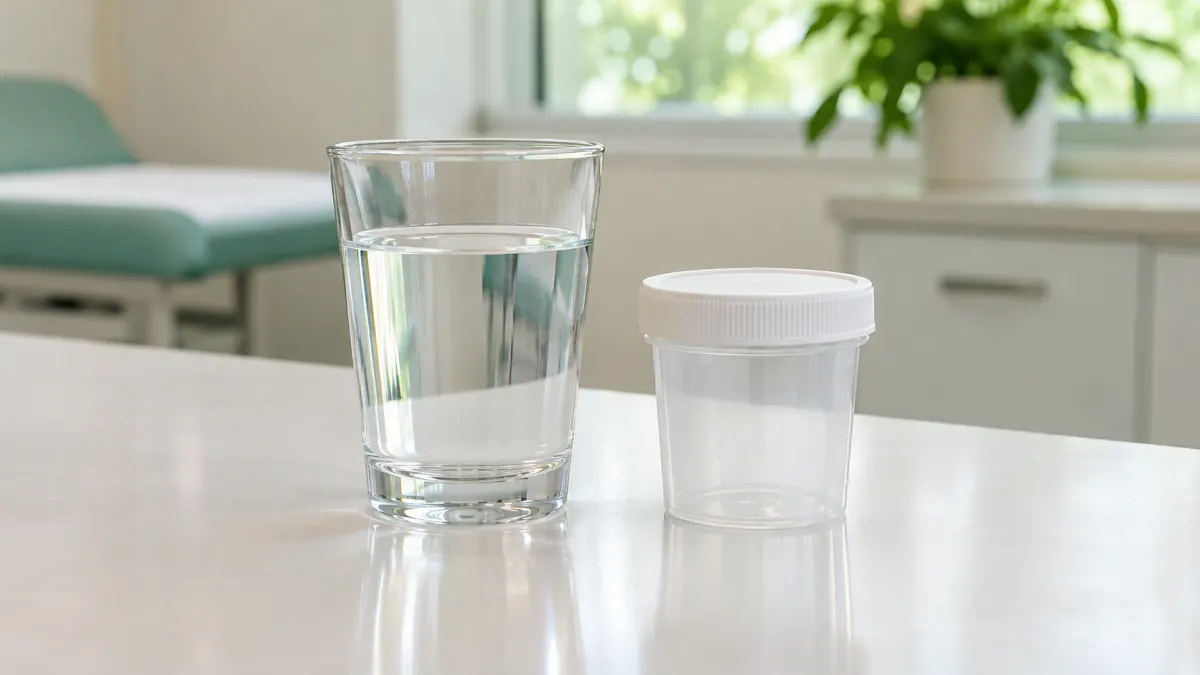
Late summer tends to bring a familiar run of urinary complaints through clinic doors. Long, hot days on the trails around the Stouffville Reservoir, not drinking enough water, swimming, travel, and disrupted routines all play a part. Urinary tract infections, or UTIs, aren’t strictly seasonal, but they are among the most common infections family doctors treat at any time of year, and they can make an otherwise ordinary week miserable.
The good news is that most UTIs are straightforward to diagnose and treat. The important thing is knowing which ones are simple and which ones need closer attention — because a bladder infection that’s left alone, or a symptom that turns out not to be an infection at all, can lead to bigger problems. This article explains the symptoms, your options for care in Ontario (including your local pharmacist), and the warning signs that mean you should be seen quickly.
What a UTI is
Your urinary tract includes the kidneys, the ureters (the tubes that carry urine down), the bladder, and the urethra (the tube that carries urine out of the body). A UTI happens when bacteria — most often ones that normally live in the bowel — get into the urinary tract and multiply.
Most UTIs involve the bladder and urethra. Doctors often call this cystitis or a lower UTI. Less often, the infection travels up to the kidneys, which is called pyelonephritis. Kidney infections are more serious and need prompt medical care.
Women and people with female anatomy get UTIs far more often than men, mainly because the urethra is shorter and closer to the bowel. That said, men do get them, and a UTI in a man is generally treated as more complicated and is worth a doctor’s assessment.
Common symptoms
Symptoms of a bladder infection usually come on over a day or so and can include:
- Burning or stinging when you urinate
- Needing to pee often, sometimes only passing a small amount
- A strong, sudden urge to go that’s hard to hold
- Discomfort or pressure low in the belly, just above the pubic bone
- Cloudy, dark, or strong-smelling urine
- Blood in the urine, which can look pink, red or cola-coloured
Signs that the infection may have reached the kidneys include:
- Fever or chills
- Pain in the back or side, just under the ribs
- Nausea or vomiting
- Feeling generally very unwell
In older adults
UTIs in older adults don’t always look typical. Instead of burning, an older parent or grandparent may become suddenly confused, more tired, unsteady on their feet, or start having accidents. These changes have many possible causes — not just infection — so a medical assessment is important rather than assuming it’s a UTI.
In children
Young children can’t always describe symptoms. A UTI might show up as fever without another obvious cause, irritability, poor feeding, vomiting, or new daytime wetting in a child who was previously dry. Children with possible UTIs should be assessed by a doctor.
Where to go for care in Ontario
You have more than one option, and choosing the right one can get you treated faster.
Your local pharmacist
Since 2023, Ontario pharmacists have been able to assess and, when appropriate, prescribe treatment for uncomplicated UTIs. With pharmacies along Main Street and throughout Stouffville, this can be a convenient first stop if you’re an adult woman (or have female anatomy), you’re not pregnant, your symptoms are typical of a simple bladder infection, and you don’t have warning signs such as fever or back pain. There are eligibility criteria, and the pharmacist will ask screening questions to make sure it’s safe to treat you at the pharmacy. For Ontario residents with a valid health card, this assessment is generally publicly funded, though it’s worth confirming with the pharmacy.
A pharmacist will refer you to a doctor if your situation falls outside what they can safely manage — for example, if you have recurrent infections, symptoms suggesting a kidney infection, you’re male, you’re pregnant, or your symptoms haven’t improved with treatment.
A doctor or walk-in clinic
See a doctor rather than a pharmacist if any of the following apply:
- You have a fever, chills, back or side pain, or nausea and vomiting.
- You’re pregnant or might be pregnant.
- You’re a man with urinary symptoms.
- You’ve had several UTIs recently — commonly defined as two in six months or three in a year.
- You have diabetes, kidney disease, a weakened immune system, a catheter, or known abnormalities of the urinary tract.
- Your symptoms haven’t started improving within about two days of starting an antibiotic.
- Your symptoms came back soon after finishing treatment.
- You have blood in your urine without other infection symptoms, or the symptoms might be due to something else, such as a sexually transmitted infection or vaginal irritation.
HealthSmart offers UTI assessment and treatment through our walk-in clinic and booked appointments. For some follow-up questions, a virtual care visit may be suitable, though a urine sample usually needs to be collected in person.
How a UTI is diagnosed
For a healthy adult woman with classic symptoms, a doctor or pharmacist can often make the diagnosis based on the history alone. In other situations, testing helps:
- Urine dipstick. A quick test strip that looks for signs of infection, such as white blood cells and nitrites.
- Urine culture. A sample is sent to a lab to identify the bacteria and which antibiotics will work against them. This is especially useful for recurrent, complicated or unclear infections. Results usually take a couple of days. We can arrange laboratory testing through a community lab.
- Other tests. Depending on the situation, your doctor may suggest STI testing, a pregnancy test, blood work, or imaging of the kidneys and bladder.
Getting a good urine sample
A “midstream clean-catch” sample gives the most accurate results. Wash your hands, clean the area with the wipe provided, start peeing into the toilet, then collect the middle part of the stream in the sterile cup without touching the inside. If possible, give the sample before starting any antibiotic, and ideally when urine has been in the bladder for a few hours.
Treatment
Uncomplicated bladder infections are usually treated with a short course of antibiotics, often between three and seven days depending on the medication. Common choices in Ontario include nitrofurantoin, fosfomycin, and trimethoprim-sulfamethoxazole, with the choice guided by your history, allergies, kidney function, pregnancy status and local resistance patterns.
A few practical points:
- Finish the course as prescribed, even if you feel better after a day or two.
- Expect improvement within 48 hours. If you’re not better, or you’re getting worse, contact a doctor.
- Drink fluids to stay well hydrated, unless you’ve been told to limit fluids for another health reason.
- Pain relief with acetaminophen or ibuprofen (if safe for you) can help with discomfort. Some people are also offered phenazopyridine, a short-term bladder pain reliever that turns urine bright orange.
- Kidney infections need longer or different antibiotics, closer follow-up, and sometimes hospital treatment.
Why not just leave it?
Some mild bladder infections do clear on their own, and in certain situations a doctor may discuss waiting a short while or holding a “delayed” prescription. But untreated infections can spread to the kidneys, so don’t ignore symptoms that persist or worsen.
Prevention: what helps and what’s uncertain
People who get UTIs often ask what they can do to stop them coming back. Some advice is well supported; some is more of a maybe.
| Strategy | What we know |
|---|---|
| Drinking enough fluids | Reasonable evidence that increasing water intake reduces recurrences in women who drink little |
| Peeing after sex | Low-cost and commonly recommended, though evidence is limited |
| Not holding urine for long periods | Sensible advice, especially on long drives or a crowded GO commute out of Stouffville |
| Cranberry products | Mixed evidence; may modestly help some women with recurrent UTIs, not a treatment for an active infection |
| Avoiding spermicides | Spermicide-containing contraception can increase UTI risk in some people |
| Vaginal estrogen after menopause | Can reduce recurrent UTIs in postmenopausal women; discuss with your doctor |
| Preventive antibiotics | Sometimes used for frequent recurrences, after a careful discussion of benefits and risks |
If you’re dealing with repeat infections, a women’s health visit can be a good time to look at patterns, contraception, menopause-related changes, and a longer-term plan.
Red flags: get help today
Go to an emergency department or call 911 if you have:
- A high fever with shaking chills, especially with back or side pain
- Vomiting and can’t keep fluids or antibiotics down
- Confusion, extreme drowsiness, or feeling faint or very unwell
- Severe pain in the back, side or belly
- Inability to pee at all
Pregnant people with fever or back pain should be seen urgently. The nearest emergency departments for Stouffville residents are at Markham Stouffville Hospital and Uxbridge Hospital.
Can I get antibiotics for a UTI without a test?
Is a UTI contagious?
Getting UTI care in Stouffville
When burning or urgency starts, you don’t have to wait it out. If you aren’t sure whether the pharmacy or the clinic is the better fit, or you’ve been told you need to see a doctor, HealthSmart Medical Clinic at 208-5892 Main Street can assess you. Book an appointment, or contact us with a question about which visit type suits your situation.
This information is general in nature and isn’t a replacement for an assessment by a pharmacist, nurse or physician.