Vegetarian and Vegan Nutrition in Stouffville: Eating Plants Well at Every Age
A plant-based diet can suit any age, but B12, iron, vitamin D, calcium and omega-3s need care. What to eat, and when Stouffville residents should get tested.
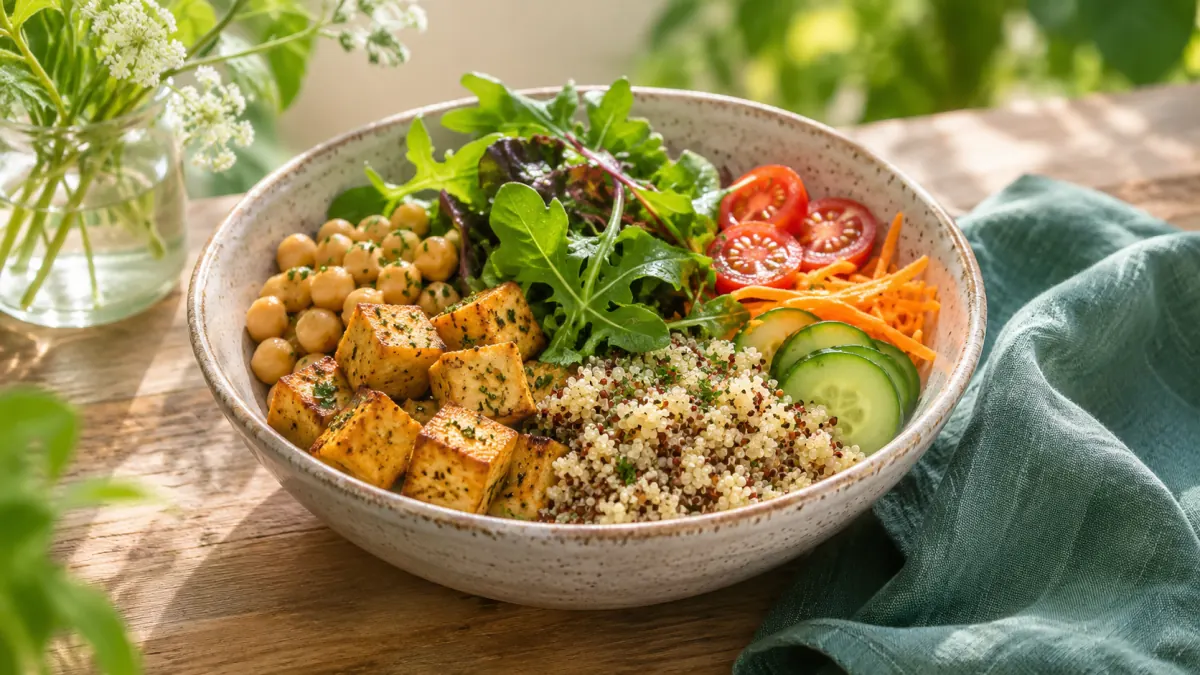
Five nutrients, mostly. That’s the honest answer to the question of what plant-based eaters need to watch: vitamin B12, iron, vitamin D, calcium and omega-3 fats, with iodine, zinc and protein as supporting players. Get those covered and a vegetarian or vegan diet can be not just adequate but genuinely good for you, linked in research with lower rates of heart disease, high blood pressure and type 2 diabetes. Miss them, and problems can creep up quietly over months or years, sometimes showing up as fatigue, tingling hands or a bone density result nobody expected.
Plant-forward eating has moved firmly into the mainstream. Canada’s Food Guide now encourages everyone to choose protein foods that come from plants more often, and grocery shelves in Stouffville carry far more tofu, lentil pasta and fortified plant beverages than they did a decade ago. Whether you’ve been vegetarian for years, are newly vegan, or are simply trying to eat less meat, this guide covers the nutrients that matter most, how to get them from food, when supplements make sense, and when a blood test is worthwhile.
First, the terms
Plant-based diets come in several shapes, and the nutrients to watch depend on which one you follow.
- Flexitarian: mostly plant-based with occasional meat or fish
- Pescatarian: no meat or poultry, but fish and seafood
- Lacto-ovo vegetarian: no meat, poultry or fish; includes dairy and eggs
- Lacto-vegetarian: includes dairy, but not eggs
- Vegan: no animal products at all, including dairy, eggs and often honey
The further you move toward fully vegan, the more planning is needed, especially for B12, calcium, iodine and omega-3s.
The key nutrients, one by one
Vitamin B12
This is the one that isn’t negotiable for vegans. B12 is made by bacteria and found naturally only in animal foods. Vegetarians who eat dairy and eggs regularly may get enough, but many don’t, and vegans need a reliable source every day: fortified foods, a supplement, or both.
Low B12 develops slowly because the body stores it for years. When it arrives, it can cause fatigue, a sore tongue, anaemia, mood changes, memory problems, and numbness or tingling in the hands and feet. Nerve damage from long-standing deficiency may not fully reverse, so prevention matters. Don’t rely on seaweed, spirulina or fermented foods, which contain B12-like compounds that the body can’t use properly.
Iron
Plant foods contain non-heme iron, which is absorbed less efficiently than the heme iron in meat. That’s why the recommended iron intake for vegetarians is higher than for meat-eaters. Iron deficiency is especially common in menstruating women, teens and people with heavy periods. Our post on iron deficiency and fatigue covers the symptoms in more depth.
You can boost absorption by:
- Pairing iron-rich foods with vitamin C (peppers, tomatoes, citrus, strawberries, broccoli)
- Drinking tea and coffee between meals rather than with them
- Cooking with a cast iron pan
- Choosing soaked, sprouted or fermented legumes and grains where practical
Calcium
Dairy-free eaters need deliberate calcium sources. Calcium-fortified soy beverage is the closest nutritional match to cow’s milk; some other plant beverages are lower in protein, so check labels. Tofu made with calcium sulphate, fortified orange juice, almonds, tahini, white beans, and low-oxalate greens like bok choy, kale and broccoli all contribute. Spinach is high in calcium on paper, but its oxalate content blocks much of the absorption.
Vitamin D
Vitamin D isn’t really a vegetarian problem; it’s a Canadian one, and Stouffville winters are no exception. From roughly October to March, the sun at our latitude isn’t strong enough for skin to make much vitamin D. Fortified milks and plant beverages help, but many people need a supplement, and Canada’s Food Guide recommends a daily vitamin D supplement for adults over 50. Vegans should note that some D3 supplements come from lanolin; lichen-based vegan D3 and D2 are available. Our article on vitamin D explains testing and dosing considerations.
Omega-3 fats
Fish is the main dietary source of the long-chain omega-3 fats EPA and DHA. Plants provide ALA, found in ground flaxseed, chia, hemp hearts, walnuts and canola oil. The body converts only a small portion of ALA into EPA and DHA. Eating ALA-rich foods daily is a good habit, and an algae-based omega-3 supplement is an option to discuss, particularly during pregnancy and breastfeeding.
Iodine
Iodine supports thyroid function. In Canada, most table salt is iodized, but sea salt, kosher salt and many specialty salts aren’t, and processed foods typically don’t use iodized salt. Dairy is also a meaningful source. Vegans who use little salt or only non-iodized salt may come up short. Seaweed contains iodine, but the amount varies wildly and some types contain far too much.
Zinc and protein
Zinc is found in legumes, whole grains, nuts, seeds and tofu, and absorption improves with the same soaking and sprouting tricks that help iron. As for protein, most vegetarians and vegans get enough as long as they eat a variety of legumes, soy, nuts, seeds and whole grains throughout the day. It’s no longer considered necessary to “combine” proteins at each meal; variety across the day does the job.
A quick reference table
| Nutrient | Good plant-based sources | Supplement often needed? |
|---|---|---|
| Vitamin B12 | Fortified plant beverages, fortified nutritional yeast, some fortified cereals; dairy and eggs for vegetarians | Yes for vegans; often for vegetarians |
| Iron | Lentils, beans, tofu, tempeh, pumpkin seeds, fortified cereals, dark leafy greens | Sometimes, if tests show it |
| Calcium | Fortified soy beverage, calcium-set tofu, almonds, tahini, bok choy, kale | Sometimes, if intake is low |
| Vitamin D | Fortified beverages and margarine | Commonly, especially in winter and over 50 |
| Omega-3 (ALA) | Ground flax, chia, hemp hearts, walnuts, canola oil | Algae DHA/EPA is optional; worth discussing |
| Iodine | Iodized table salt, dairy | Sometimes for vegans |
| Zinc | Legumes, whole grains, seeds, nuts, tofu | Rarely |
Plant-based eating through life’s stages
Pregnancy and breastfeeding
A well-planned vegetarian or vegan diet can support a healthy pregnancy, but needs rise for iron, folate, B12, iodine, choline and DHA. All pregnant people in Canada are advised to take a daily prenatal multivitamin with folic acid, and vegans should make sure their B12 intake is reliable. If you’re planning a pregnancy or newly pregnant, a visit for prenatal care referrals is a good time to review your diet.
Babies and children
Children can thrive on vegetarian diets, and on carefully planned vegan diets. Their small stomachs need energy-dense foods: nut and seed butters, avocado, tofu, hummus, full-fat fortified soy beverage after the first year. B12, iron, calcium, vitamin D and iodine all need attention. Most rice, almond and oat beverages aren’t suitable as a main drink for toddlers because they’re low in protein and fat. Your child’s growth can be followed at regular checkups, and Stouffville parents raising vegan kids may find a session with a registered dietitian worthwhile.
Teens
Teens sometimes go vegetarian quickly and without much planning, which can leave gaps in iron and B12. Occasionally, a sudden shift to restrictive eating can also be part of disordered eating, so it’s worth staying curious and supportive if a teen’s food rules seem to be narrowing quickly or weight is dropping.
Older adults
Absorption of B12 from food declines with age, regardless of diet, and protein needs are relatively higher to preserve muscle. Older plant-based eaters, including any Stouffville retirees who have cut back on meat for heart health, should pay particular attention to B12, vitamin D, calcium and protein at each meal.
What a balanced day might look like
There’s no single right menu, but here’s an example of a vegan day that covers the main bases:
- Breakfast: oatmeal cooked in fortified soy beverage, topped with ground flax, walnuts and berries
- Lunch: a big grain bowl with quinoa, chickpeas, calcium-set tofu, roasted vegetables, greens and a tahini-lemon dressing
- Snack: an orange and a handful of pumpkin seeds
- Dinner: lentil and vegetable chili with a whole grain bun and a side of steamed broccoli
- Daily: a B12 supplement and, in the darker months especially, vitamin D
Summer in Stouffville makes this kind of eating easy, with local farm stands and markets bringing in fresh greens, beans, berries and corn through the season.
When to get tested
Most plant-based eaters don’t need routine blood tests if they’re well and following a well-planned diet with a reliable B12 source. Testing becomes worthwhile when:
- You’ve been vegan or vegetarian for some time without a reliable B12 source
- You have fatigue, shortness of breath, pale skin, tingling, memory changes or a sore tongue
- You have heavy periods, are pregnant or planning pregnancy
- You’re over 50 or take medications that affect B12 absorption, such as metformin or long-term acid suppressants
- A child on a plant-based diet isn’t growing as expected
Your doctor can arrange blood work for B12, iron stores (ferritin), a complete blood count and other markers as appropriate. Some tests may not be covered by OHIP in every situation, so it’s worth asking.
Will I get enough protein without meat?
Is a vegan diet automatically healthy?
Checking your levels with us
If you’ve switched to plant-based eating, or you’ve been eating this way for years and are feeling run down, a check-in can help. HealthSmart Medical Clinic offers general medical consultations and annual physicals where diet, symptoms and lab testing can be reviewed together. Book a visit online when it suits you. We see patients from across Stouffville and nearby communities.
This article provides general nutrition information and is no substitute for individual advice from your doctor or a registered dietitian.